
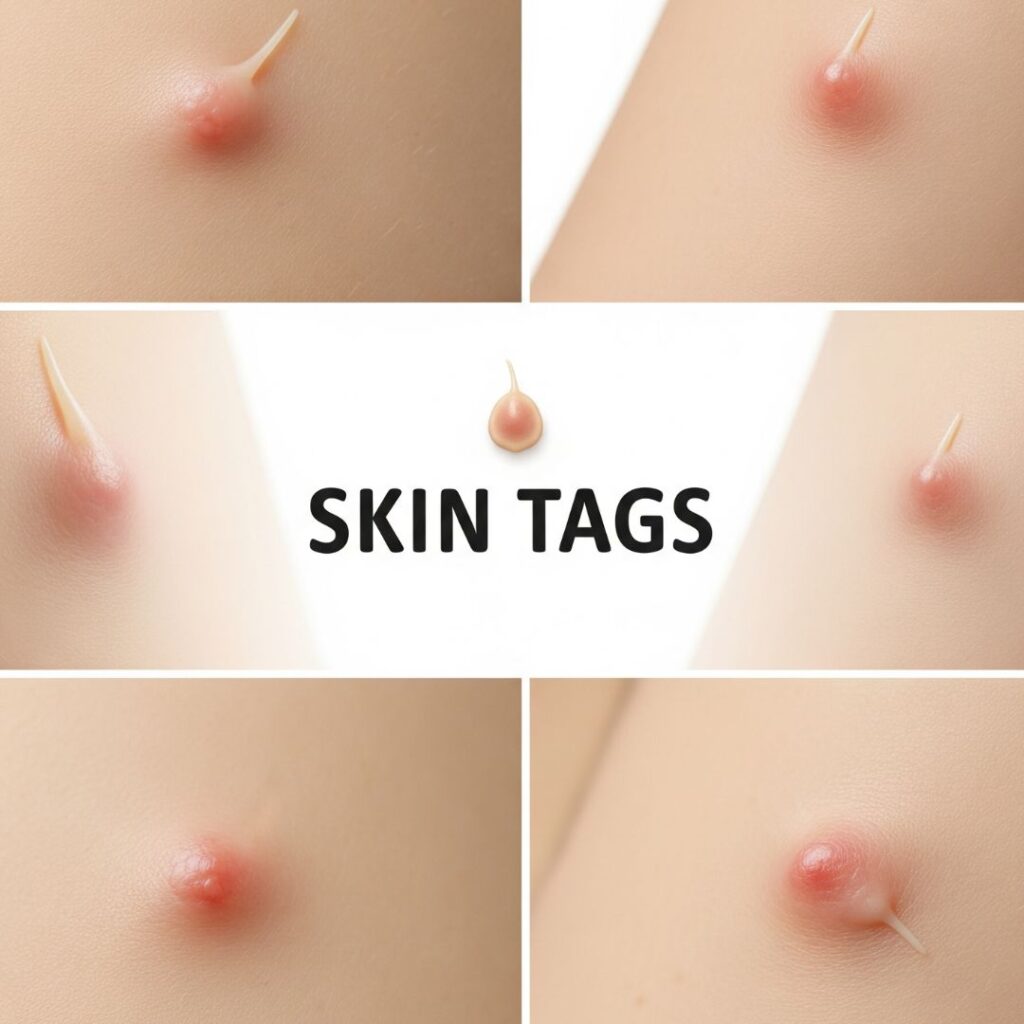
Though they are medically benign, their appearance can cause discomfort or concern—especially when found on visible or sensitive areas like the neck, eyelids, or underarms.
In this article, we’ll break down what skin tags are, why they form, who’s more at risk, and most importantly—debunk some popular myths surrounding them.
If the appearance of skin tags bothers you or you want professional advice, a Dermatologist in Roorkee can help with expert diagnosis and safe removal options.
What Are Skin Tags?
Skin tags, medically known as acrochordons, are small, soft, skin-colored growths that hang off the skin by a thin stalk. They’re typically found in areas where the skin folds or rubs against itself, such as:
- Neck
- Armpits
- Eyelids
- Under the breasts
- Groin area
They are non-cancerous and not dangerous. However, skin tags can become irritated due to friction or accidental pulling, prompting many people to seek removal.
Unlike moles or warts, skin tags do not pose any medical threat and are usually more of a cosmetic concern.
Why Do Skin Tags Form?
Primary Causes
The most common reason skin tags form is friction—skin rubbing against skin or clothing. Other causes include:
- Hormonal changes, especially during pregnancy
- Obesity or weight gain
- Genetic predisposition
- Aging, especially over 40
Related Medical Conditions
In some cases, skin tags may be linked to underlying health issues such as:
- Insulin resistance or Type 2 diabetes
- Polycystic Ovary Syndrome (PCOS)
- Rarely, HPV (Human Papillomavirus)
It’s important to note that skin tags are not contagious and are not caused by viruses or bacteria.
Are Skin Tags a Sign of Something Serious?
In most cases, skin tags are harmless and not a sign of cancer or any serious health issue. However, seeking medical advice is important if:
- A skin tag changes color or shape
- It becomes painful, bleeds, or gets infected
- Multiple skin tags develop in a short period
In such cases, consult a Skin Specialist in Roorkee for a proper diagnosis and peace of mind.
Who Is More Likely to Get Skin Tags?
Anyone can develop skin tags, but certain factors make them more common:
- Adults over the age of 40
- People with diabetes or insulin resistance
- Pregnant women due to hormonal changes
- Individuals who are overweight or obese
- Those with a family history of skin tags
Because these growths often result from repeated friction, areas with skin folds are the most vulnerable.
Myths About Skin Tags – Debunked
Let’s bust some of the most common skin tag myths:
Myth 1: Skin tags are cancerous
Truth: Skin tags are benign and rarely become cancerous.
Myth 2: Skin tags are contagious
Truth: You cannot “catch” a skin tag from someone else.
Myth 3: Poor hygiene causes skin tags
Truth: Skin tags are not caused by unclean skin; they result from friction and other factors.
Myth 4: You can safely cut off skin tags at home
Truth: DIY removal can lead to bleeding, infection, and scarring. It’s safer to consult a Dermatologist in Roorkee for professional treatment.
Skin Tag Removal Options
Professional Treatments
A Skin Specialist in Roorkee may recommend one of the following procedures:
- Cryotherapy (freezing the tag off)
- Cauterization (burning off the tag)
- Surgical excision with sterilized tools
- Ligation, which cuts off the tag’s blood supply
These methods are safe, effective, and typically leave minimal or no scarring.
Home Remedies – Are They Safe?
Some people try natural remedies like apple cider vinegar or dental floss ligation, but these methods are often unsafe and ineffective. Misuse can lead to infection or delayed healing.
Always seek guidance from a qualified Dermatologist in Roorkee before attempting any form of skin tag removal at home.
Can You Prevent Skin Tags?
While not all skin tags can be prevented, you can reduce your risk by:
- Maintaining a healthy weight
- Wearing loose, breathable clothing
- Using powder in skin folds to reduce friction
- Managing blood sugar levels, especially if diabetic
Preventive care can be discussed with a Skin Specialist in Roorkee, especially for those prone to recurring skin tags.
When Should You See a Dermatologist?
Seek professional help if:
- It’s unclear whether a skin growth is a tag or something else
- A skin tag becomes irritated, painful, or bleeds
- Cosmetic removal is desired
Visiting a Dermatologist in Roorkee ensures proper diagnosis and minimizes risks associated with self-removal.
Conclusion
Skin tags are common, benign, and treatable skin growths that typically don’t pose any health risk.
While their causes range from friction to hormonal changes and genetics, they are not contagious or dangerous. Still, many myths persist—so it’s important to get the facts right.
If a skin tag bothers you cosmetically or causes discomfort, a certified Skin Specialist in Roorkee like Dr. Hera Tabassum can help with safe and professional removal options.
Frequently Asked Questions (FAQs)
What causes skin tags to suddenly appear?
Sudden development can be due to hormonal shifts, weight changes, or increased friction in specific areas.
Are skin tags a sign of diabetes?
Sometimes. Multiple skin tags may indicate insulin resistance, so consulting a doctor is recommended.
Can skin tags go away on their own?
Rarely. Most skin tags remain unless removed.
Is it safe to cut off a skin tag at home?
No. Self-removal can lead to infections, bleeding, and scarring. Always consult a Dermatologist in Roorkee.
How much does skin tag removal cost?
Costs vary based on method and clinic. A consultation with a Skin Specialist in Roorkee will provide accurate pricing.