
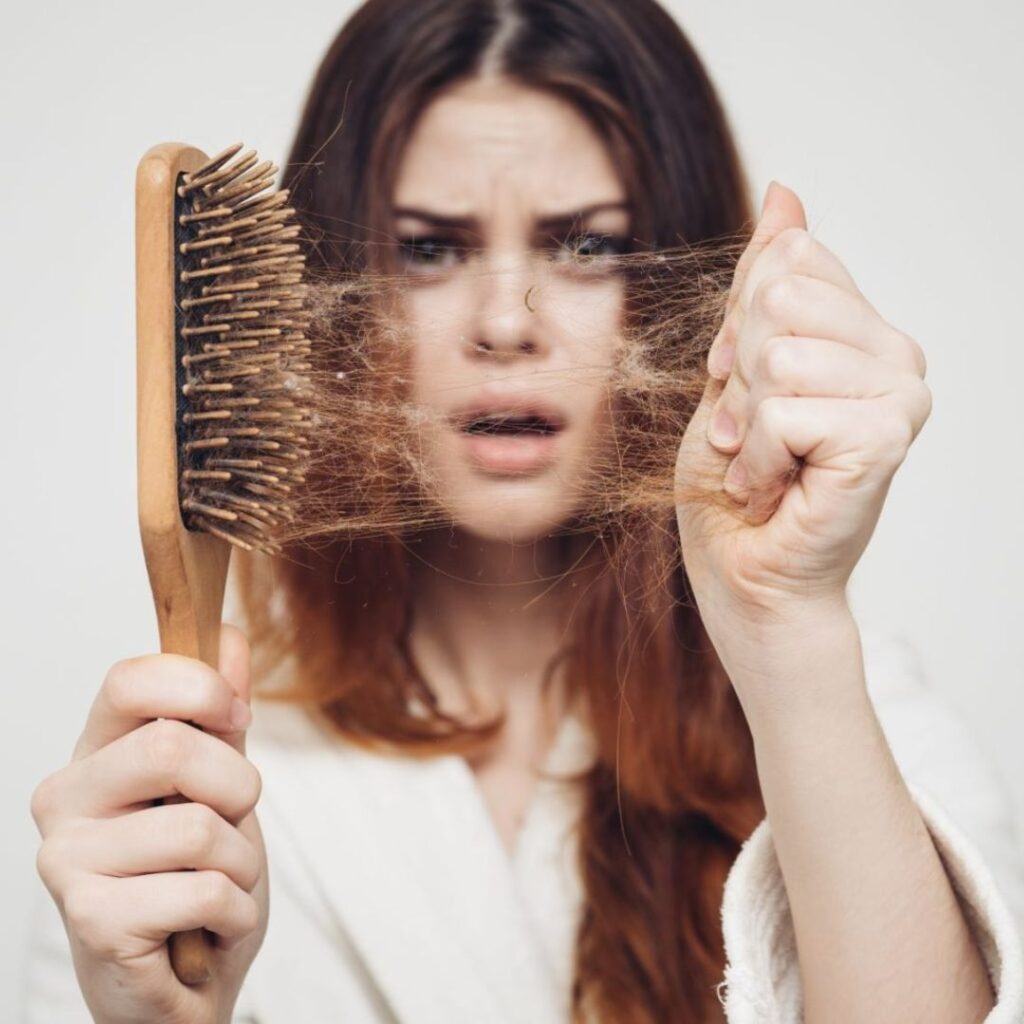
Hair fall is one of the most common concerns faced by both men and women across all age groups. From seasonal shedding to stress-induced hair loss, many factors contribute to this problem.
Fortunately, understanding the root causes and taking timely action can significantly reduce hair fall and improve the overall health of your hair.
If you’re experiencing excessive hair loss and looking for effective ways to manage it, this guide provides expert-backed tips to help you regain control.
For professional advice tailored to your condition, consulting a Dermatologist in Roorkee can be a valuable first step.
Identify the Cause of Hair Fall
Before jumping into treatments or remedies, it’s crucial to understand why you’re losing hair. Common causes include:
- Hormonal imbalances (e.g., thyroid issues, PCOS)
- Nutritional deficiencies (especially iron, vitamin D, and protein)
- Stress and anxiety
- Excessive heat styling or harsh chemical treatments
- Scalp infections or skin disorders like dandruff or psoriasis
- Hereditary conditions like male or female pattern baldness
If you’re unsure about the underlying cause, a Skin Specialist in Roorkee can perform diagnostic tests to help determine the specific reason for your hair loss.
Improve Your Diet
Nutrition plays a vital role in maintaining healthy hair. Ensure your meals include:
- Protein: Hair is made of keratin, a type of protein. Include eggs, fish, lean meats, pulses, and dairy in your diet.
- Iron and Zinc: Essential for hair follicle health. Leafy greens, nuts, and seeds are excellent sources.
- Vitamins A, C, D, and E: These vitamins improve scalp circulation, boost collagen production, and strengthen hair shafts.
- Omega-3 Fatty Acids: Found in flaxseeds, walnuts, and fish, omega-3s help nourish the scalp.
You may also consider consulting a dermatologist or nutritionist for supplements if deficiencies are detected.
Adopt a Scalp-Friendly Hair Care Routine
Switch to mild, sulfate-free shampoos and conditioners that suit your hair type. Avoid over-washing, which strips natural oils, and don’t forget to condition your hair to keep it hydrated.
Additionally:
- Limit heat styling and chemical treatments like coloring or straightening.
- Use a wide-tooth comb to prevent breakage.
- Avoid tying your hair too tightly.
Regular oil massages using coconut, almond, or castor oil can also promote circulation and strengthen hair follicles.
Manage Stress Levels
Chronic stress is a major trigger for hair fall. It pushes hair into the “telogen” or resting phase, leading to excessive shedding (a condition known as telogen effluvium).
To reduce stress:
- Practice yoga or meditation daily.
- Get adequate sleep.
- Engage in hobbies or physical activities that relax your mind.
If stress-related hair loss persists, consulting a Dermatologist in Roorkee can help you explore medical options or therapies to address it.
Medical Treatments for Hair Fall
If lifestyle and home remedies don’t yield results, several medical treatments are available to control hair fall:
- Minoxidil: A topical solution that stimulates hair growth and slows down loss.
- Finasteride: An oral medication prescribed for male pattern baldness.
- PRP Therapy (Platelet-Rich Plasma): Involves injecting platelets into the scalp to stimulate hair growth.
- Laser Therapy: Low-level laser devices promote blood flow to hair follicles.
These treatments should always be administered under the supervision of a Skin Specialist in Roorkee, as incorrect use can lead to side effects or ineffective results.
Stay Hydrated and Maintain a Healthy Lifestyle
Drinking plenty of water and avoiding smoking or excessive alcohol consumption can also benefit your hair.
A healthy scalp requires good blood flow and hydration, both of which are compromised by poor lifestyle choices.
Watch for Early Warning Signs
Pay attention to early signs like:
- Thinning hair at the crown
- More hair on the pillow or in the shower drain
- A receding hairline
- Flaky or itchy scalp
Addressing these symptoms early with a visit to a Dermatologist in Roorkee can prevent severe hair loss and improve treatment outcomes.
Final Thoughts
Hair fall may feel overwhelming, but it’s often manageable with the right combination of lifestyle changes, proper care, and medical support.
Hair loss can be temporary or long-term. Seeking help from a Skin Specialist in Roorkee ensures you get personalized, effective solutions.
At the end of the day, healthy hair starts with a healthy you—so nourish your body, care for your scalp, and don’t hesitate to seek expert advice when needed.