
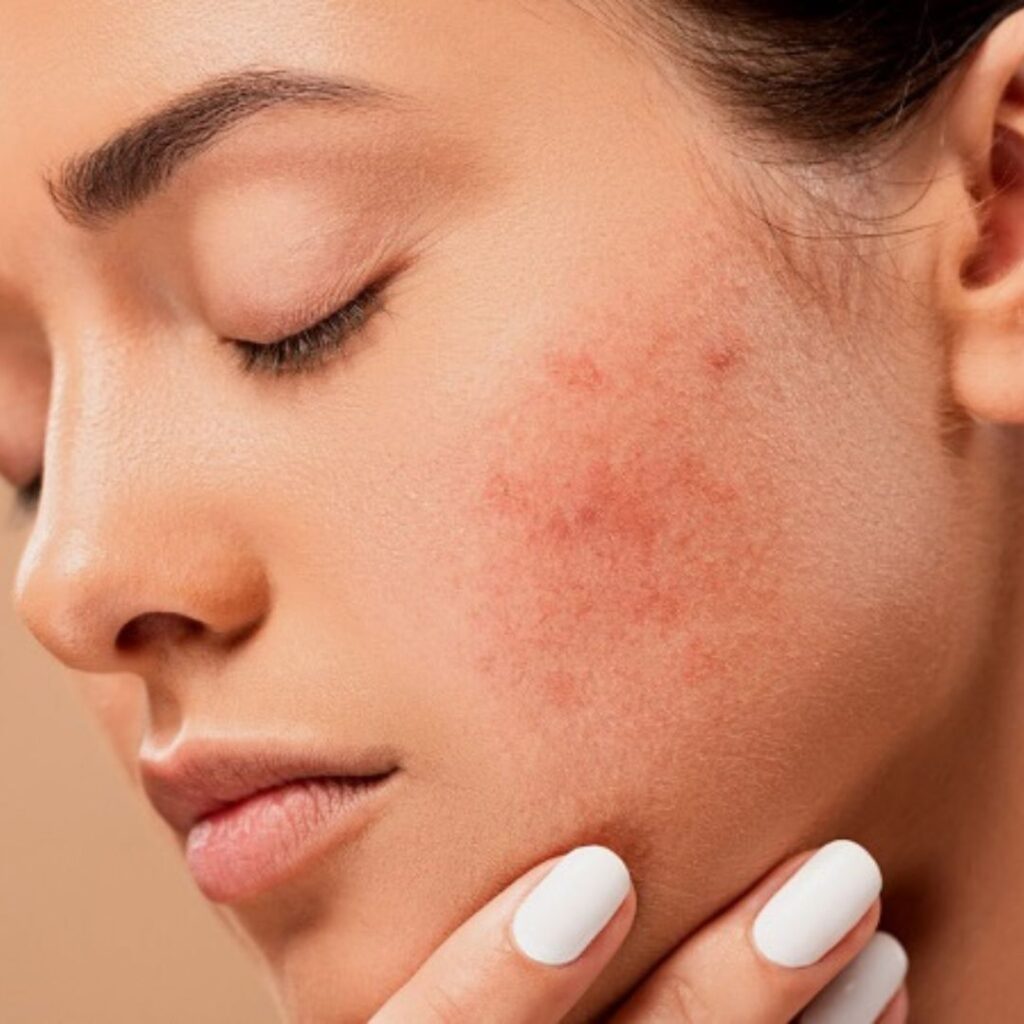
Acne scars are one of the most common skin concerns, affecting teens and adults alike. While some people notice their scars fading naturally over time, others struggle with persistent marks that can affect confidence and overall skin appearance. Understanding why some acne scars linger and what treatments can help is essential for achieving clearer, healthier skin. In this article, we’ll explore the reasons behind stubborn acne scars and the solutions available—from home remedies to advanced clinical treatments.
Why Do Acne Scars Form?
Acne scars occur when the skin experiences damage due to inflammation caused by pimples, cysts, or nodules. During an acne breakout, the surrounding skin becomes irritated and swollen. The body’s natural healing process triggers collagen production to repair damaged tissue.
However, if collagen is produced excessively or insufficiently, scars form. This explains why acne scars can vary in severity and type from person to person.
Types of Acne Scars
- Atrophic Scars – Indentations in the skin due to tissue loss. Examples include icepick, rolling, and boxcar scars.
- Hypertrophic Scars – Raised scars caused by excess collagen production, more common in darker skin tones.
- Post-Inflammatory Hyperpigmentation (PIH) – Dark spots or patches remaining after acne lesions heal. Though not true scars, PIH can linger for months.
Factors That Affect Whether Acne Scars Fade
Several factors determine how acne scars heal and whether they fade naturally:
1. Type and Severity of Acne
Cystic acne tends to cause deeper scars due to intense inflammation, while mild acne usually results in minor marks.
2. Skin Healing and Collagen Response
Healing time plays a key role. Picking or squeezing pimples causes additional trauma, increasing the risk of persistent scars. Genetics and skin type also influence how well your skin regenerates and how scars form.
3. Sun Exposure
UV rays can darken scars by stimulating melanin production. Regular use of sunscreen is crucial to prevent scars from becoming more noticeable.
4. Age and Overall Skin Health
Younger skin generally heals faster and may fade scars more effectively. Healthy lifestyle habits—hydration, balanced diet, and proper skincare—also support skin repair.
Why Some Acne Scars Fade Naturally
Some acne scars fade over time as the skin goes through its natural regeneration process. Old, damaged skin cells are replaced with fresh, healthy cells, while collagen gradually smooths the affected areas. Post-inflammatory hyperpigmentation (PIH) is the most common type that lightens with time.
However, this process can take months or even years, depending on scar depth, skin type, and lifestyle factors. Patience, sun protection, and proper skincare are key to supporting natural healing.
Professional Treatments to Fade Stubborn Acne Scars
For scars that do not improve on their own, clinical treatments provide faster and more noticeable results. Dermatologists offer a range of procedures tailored to scar type and skin sensitivity.
Some of the most effective treatments include:
1. Laser Therapy
Laser treatments, such as fractional CO2 and PICO MLA lasers, stimulate collagen production and resurface damaged skin, reducing the appearance of deep scars.
2. Microneedling
Microneedling combined with radiofrequency (RF) energy helps repair skin tissue, improving texture and minimizing scars over time.
3. Chemical Peels
Professional chemical peels remove the top layer of skin to reveal smoother, lighter skin underneath, effectively targeting pigmentation and shallow scars.
4. Subcision and Fillers
For deep atrophic scars, dermatologists may perform subcision or use fillers like hyaluronic acid or collagen to elevate depressions and create an even skin surface.
Expert Care in Roorkee: Dr. Hera Tabassum
Dr. Hera Tabassum is one of the top dermatologists in Roorkee, specializing in acne scar treatments, skin pigmentation correction, hair loss, and nail disorders. With years of experience, Dr. Tabassum provides personalized treatment plans, including laser therapy, microneedling, and chemical peels, ensuring optimal results for stubborn scars. Her expertise makes her one of the best skin specialists in Roorkee for managing acne scars and other complex skin issues.
Supporting Treatments for Improved Skin Health
In addition to professional procedures, complementary treatments can enhance skin health and improve scar fading:
- Skin Tightening Treatments: Non-invasive procedures stimulate collagen, improving skin elasticity and texture. Learn more about skin tightening treatment in Roorkee.
- Uneven Skin Tone Correction: Treatments for pigmentation can help reduce dark spots left behind by acne. Discover effective options for uneven skin tone treatment in Roorkee.
- Proper Skincare Routine: Using gentle cleansers, exfoliants, and sunscreen supports skin repair and prevents further pigmentation.
Preventing Future Acne Scars
Preventing acne scars is often easier than treating them. Key strategies include:
- Avoiding picking or squeezing pimples
- Using acne-targeted skincare recommended by dermatologists
- Applying sunscreen daily to protect from UV-induced pigmentation
- Maintaining hydration and a balanced diet to support skin health
Conclusion
Acne scars can be persistent, but understanding why they form and how they heal is crucial for managing expectations. While some scars fade naturally over time, others require targeted professional treatments such as laser therapy, microneedling, or chemical peels. Combining these treatments with preventive measures and proper skincare can lead to clearer, smoother, and healthier-looking skin.
Take the first step toward glowing skin by consulting a qualified professional like Dr. Hera Tabassum, one of the leading dermatologists in Roorkee, to create a personalized plan for your acne scars.