
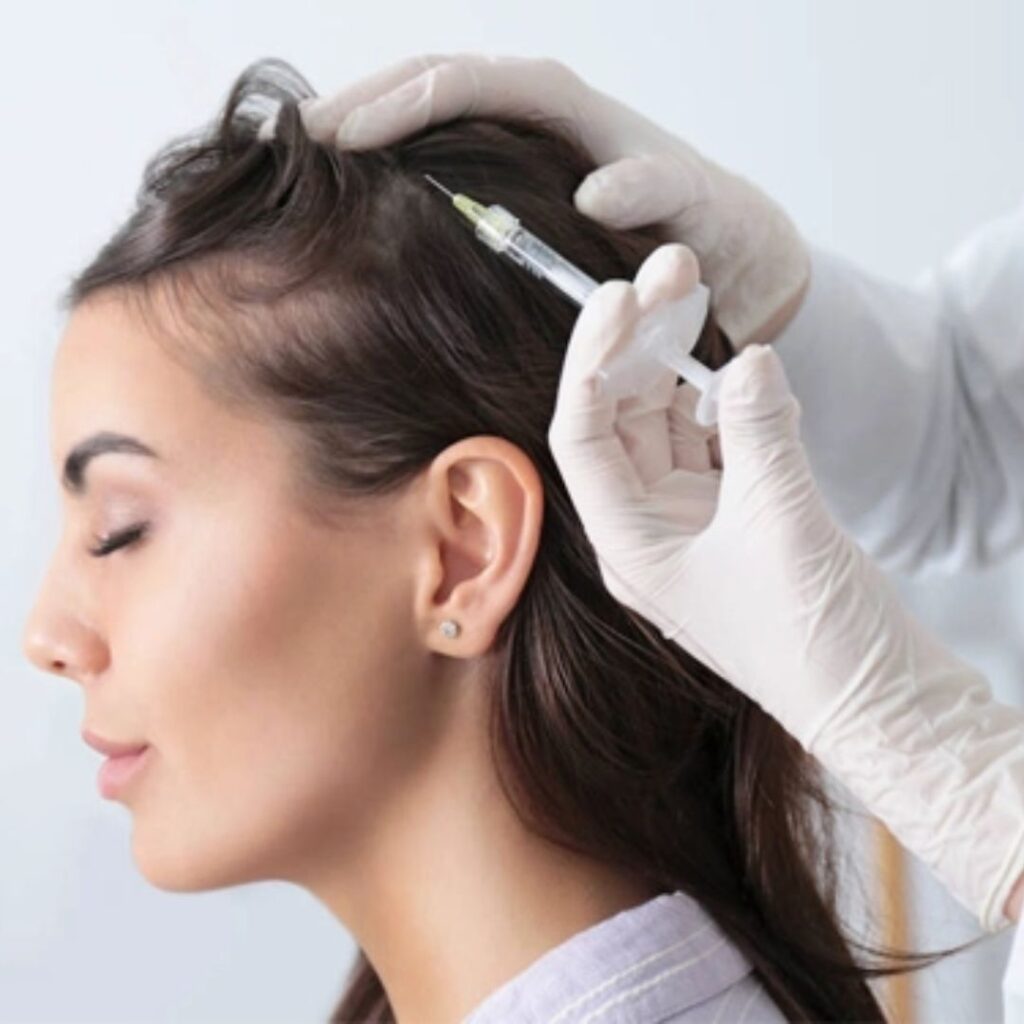
Hair loss is a concern that affects millions of people worldwide, impacting not only appearance but also self-confidence. Traditional hair transplant techniques have provided reliable results for decades, yet recent breakthroughs in regenerative medicine are pushing the boundaries of what’s possible. One of the most promising innovations in hair restoration is stem cell therapy, which aims to rejuvenate hair follicles at a cellular level, offering hope for natural, long-lasting hair growth.
Understanding Stem Cell Hair Transplants
Stem cell hair transplants combine advanced hair grafting methods with regenerative stem cell science. Stem cells are special cells capable of developing into various types of tissues, which helps repair damaged hair follicles and stimulate new growth. Clinics that incorporate stem cell therapy aim to improve scalp health, enhance follicle vitality, and maximize transplant outcomes.
Dr. Hera Tabassum, one of the top dermatologists and skin care experts in Roorkee, Uttarakhand, emphasizes that stem cell therapy is a scientifically backed approach to hair restoration. She is widely recognized for her expertise in treating hair, skin, and nail disorders, making her one of the best dermatologists in Roorkee for patients seeking advanced hair loss solutions.
How Stem Cell Therapy Works
The procedure begins by collecting a small skin sample rich in hair follicles, typically from behind the ear. This sample is processed in a laboratory to extract a concentrated stem cell solution. The solution is then carefully injected into the scalp during or immediately before a hair transplant procedure. This helps nourish follicles, reactivate dormant cells, and stimulate natural hair growth.
Step-by-Step Overview
- Consultation and Scalp Analysis: Specialists assess the patient’s hair loss pattern and determine the suitability of stem cell therapy.
- Stem Cell Collection: A minimally invasive punch biopsy is used to collect a small tissue sample.
- Processing Stem Cells: The sample is processed to isolate a concentrated stem cell solution.
- Injection and Hair Grafting: The solution is injected into the scalp to enhance follicle growth and improve graft survival.
- Aftercare and Follow-Up: Post-procedure care ensures optimal results, including scalp treatments, gentle hair care, and follow-up consultations.
Benefits of Stem Cell Hair Transplants
- Minimally Invasive Procedure: Only small micro-punctures are needed, which heal quickly with minimal scarring.
- Boosts Follicle Health: Stem cells reactivate weak or dormant hair follicles, improving density and thickness.
- Faster Recovery: Many patients experience quicker healing compared to traditional transplant methods.
- Natural and Safe: Using the patient’s own tissue reduces the risk of rejection or side effects.
- Long-Term Results: Stem cell therapy supports sustained hair growth, reducing the need for repeat procedures.
Who Can Benefit from Stem Cell Hair Transplants?
Stem cell hair restoration is suitable for patients experiencing:
- Male or female pattern baldness
- Thinning hair due to aging
- Hair loss from trauma or scarring
- Hair loss not responsive to conventional treatments
By targeting hair follicles at the cellular level, stem cell therapy provides a solution that addresses the root cause of hair loss rather than only the symptoms.
Complementary Treatments for Hair Growth
Stem cell therapy is often combined with other treatments to enhance results:
- PRP (Platelet-Rich Plasma) Therapy: Encourages follicle stimulation and stronger hair growth.
- Laser Therapy: Improves blood flow and follicle activity.
- Scalp Hydration Treatments: Procedures like HydraFacial treatment can maintain a healthy scalp environment.
- Nutritional Support and Supplements: Vitamin C and other nutrients strengthen follicles and improve growth.
Real-Life Success Stories
Patients frequently report significant improvements in hair density and scalp health after combining stem cell therapy with hair transplants. Personalized care plans, including lifestyle adjustments and complementary treatments, ensure patients achieve the best possible results.
Dr. Hera Tabassum emphasizes that success is not only about the procedure but also about aftercare. Her clinic in Roorkee provides comprehensive hair loss solutions, including advice on maintaining scalp health, preventing dandruff, and boosting follicle activity. You can also explore Best Hair Fall Treatment in Roorkee for additional options to strengthen hair post-transplant.
FAQs About Stem Cell Hair Restoration
1. Is stem cell therapy painful? The procedure is minimally invasive, causing only mild discomfort. Local anesthesia is applied during the stem cell collection and injection process.
2. How soon will I see results? Initial improvements in scalp health may be noticeable within weeks, while visible hair growth typically appears after 3–6 months. Full results may take up to 12 months.
3. Can stem cell therapy be combined with a standard hair transplant? Yes. In fact, combining stem cells with traditional transplants enhances follicle survival, improves density, and accelerates recovery.
4. Are there risks? Using the patient’s own tissue minimizes risks. Minor side effects may include temporary redness, swelling, or mild discomfort at the injection site.
The Future of Hair Restoration
Stem cell therapy is shaping the next generation of hair restoration techniques. By combining regenerative science with advanced grafting methods, patients can achieve thicker, healthier hair with minimal downtime. As research continues, these techniques are expected to become more refined, safer, and more accessible.