
When it comes to advanced skincare, two treatments often stand out for their effectiveness—retinoids and chemical peels.
Both are powerful tools for addressing concerns such as acne, hyperpigmentation, fine lines, and uneven skin texture.
However, because they are strong exfoliating agents, combining them requires careful planning and professional guidance.
If used improperly, the pairing can lead to irritation, redness, and sensitivity. With the right approach, though, they can deliver exceptional results and transform your skin.
If you’re considering these treatments, consulting a Dermatologist in Roorkee or a trusted Skin Specialist in Roorkee is the safest way to design a plan that works for your skin type. Let’s explore how you can combine retinoids and chemical peels safely for better outcomes.
Understanding Retinoids
Retinoids are vitamin A derivatives widely used in dermatology for their skin-renewing properties. They increase cell turnover, boost collagen production, and help unclog pores.
Prescription retinoids like tretinoin are stronger than over-the-counter retinol, making them more effective but also more irritating in some cases.
Common benefits of retinoids include:
- Reduction of acne and prevention of new breakouts
- Fading of hyperpigmentation and dark spots
- Improvement in fine lines and wrinkles
- Smoother, more even-toned skin
Understanding Chemical Peels
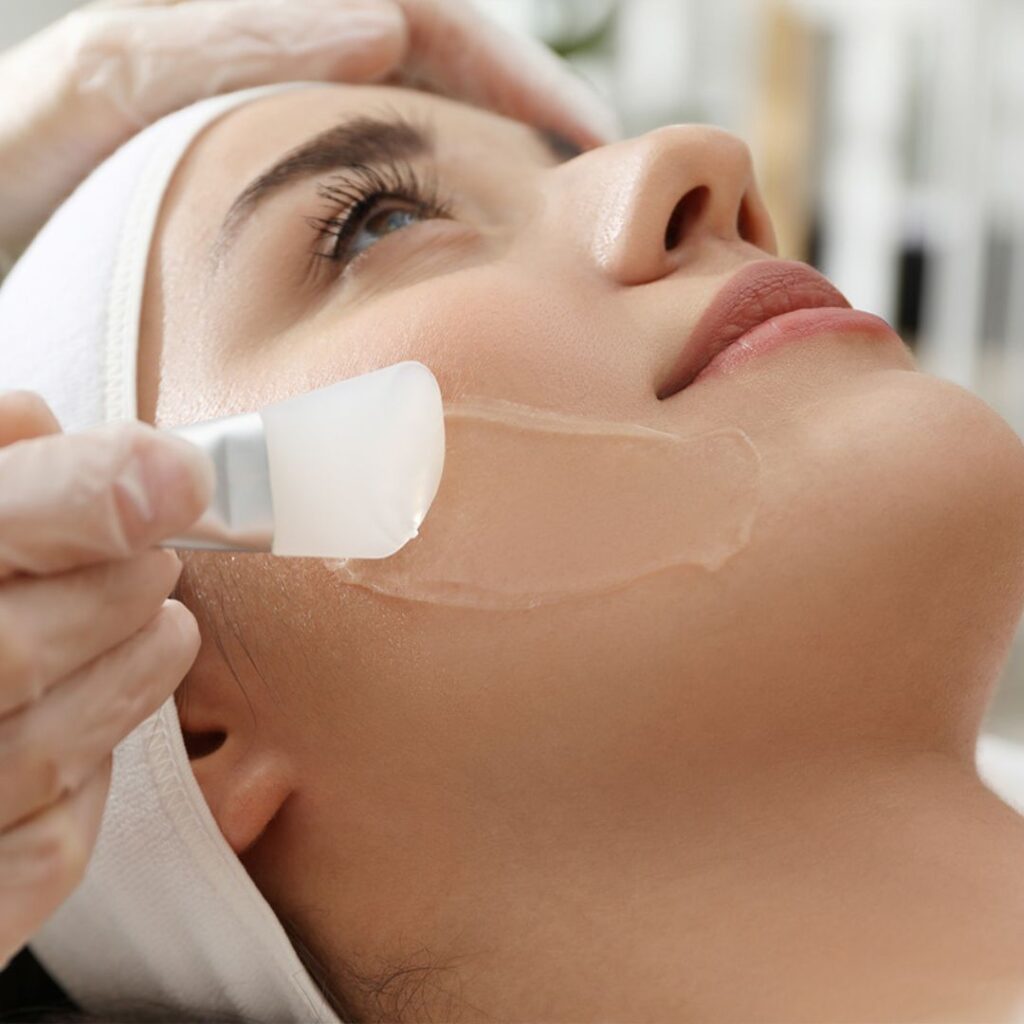
Chemical peels use acids like glycolic acid, salicylic acid, or trichloroacetic acid (TCA) to exfoliate the top layers of the skin. Depending on the strength, they can be superficial, medium, or deep.
Chemical peels help with:
- Dullness and rough texture
- Sun damage and pigmentation
- Acne scars and enlarged pores
- Early signs of aging
When performed under expert supervision, chemical peels can dramatically improve skin clarity and radiance.
Why Combine Retinoids & Chemical Peels?
Both treatments exfoliate the skin, but in different ways. Retinoids work gradually to accelerate cell turnover, while chemical peels provide an immediate exfoliating effect. When used together strategically, the results can be more noticeable:
- Enhanced exfoliation: Retinoids keep the skin primed, allowing chemical peels to penetrate more effectively.
- Faster results: Combining them helps tackle stubborn pigmentation and acne scars more quickly.
- Synergy in anti-aging: Both treatments stimulate collagen production, improving skin firmness and reducing wrinkles.
Risks of Combining Them Improperly
While the benefits are appealing, combining retinoids and chemical peels without proper guidance can backfire. Possible side effects include:
- Severe redness and peeling
- Increased sensitivity and burning sensation
- Prolonged downtime
- Post-inflammatory hyperpigmentation in darker skin tones
This is why it’s essential to seek advice from a Dermatologist in Roorkee or Skin Specialist in Roorkee before starting such a routine.
Safe Ways to Combine Retinoids & Chemical Peels
Take a Break from Retinoids Before the Peel
Most dermatologists recommend stopping retinoid use at least 3–5 days before undergoing a chemical peel. This reduces the risk of over-exfoliation and skin irritation.
Choose the Right Peel Strength
If you are already using retinoids, your skin might be more sensitive. In such cases, your dermatologist may start with a mild peel like glycolic acid or lactic acid instead of stronger TCA peels.
Resume Retinoids Slowly
After a peel, it’s important to let your skin recover fully before restarting retinoids. Usually, a gap of 5–7 days is suggested. Your dermatologist will guide you on when to reintroduce them.
Prioritize Hydration and Sun Protection
Both retinoids and chemical peels compromise the skin barrier temporarily. To avoid dryness and irritation, use a gentle moisturizer and broad-spectrum sunscreen daily.
Consider Alternating Treatments
Instead of using them simultaneously, some people benefit from alternating. For instance, using retinoids regularly at home and scheduling a chemical peel session once a month under supervision.
Always Consult a Professional
Every skin type is unique. A personalized plan from a Skin Specialist in Roorkee will ensure you get the benefits without unwanted side effects.
Who Should Avoid Combining Them?
- People with very sensitive or reactive skin
- Those with active eczema, rosacea, or severe dermatitis
- Individuals who cannot commit to proper sun protection
- Pregnant or breastfeeding women (retinoids are not safe during pregnancy)
Final Thoughts
Retinoids and chemical peels are two of the most effective dermatological treatments for skin renewal. When used correctly, they can complement each other beautifully, offering smoother, brighter, and younger-looking skin. However, safety should always come first. Overdoing it can cause more harm than good.
If you’re considering combining these treatments, it’s best to consult a qualified Dermatologist in Roorkee. A specialist can tailor the approach to your skin type, lifestyle, and skincare goals—ensuring you achieve the glow you desire without unnecessary risks.