
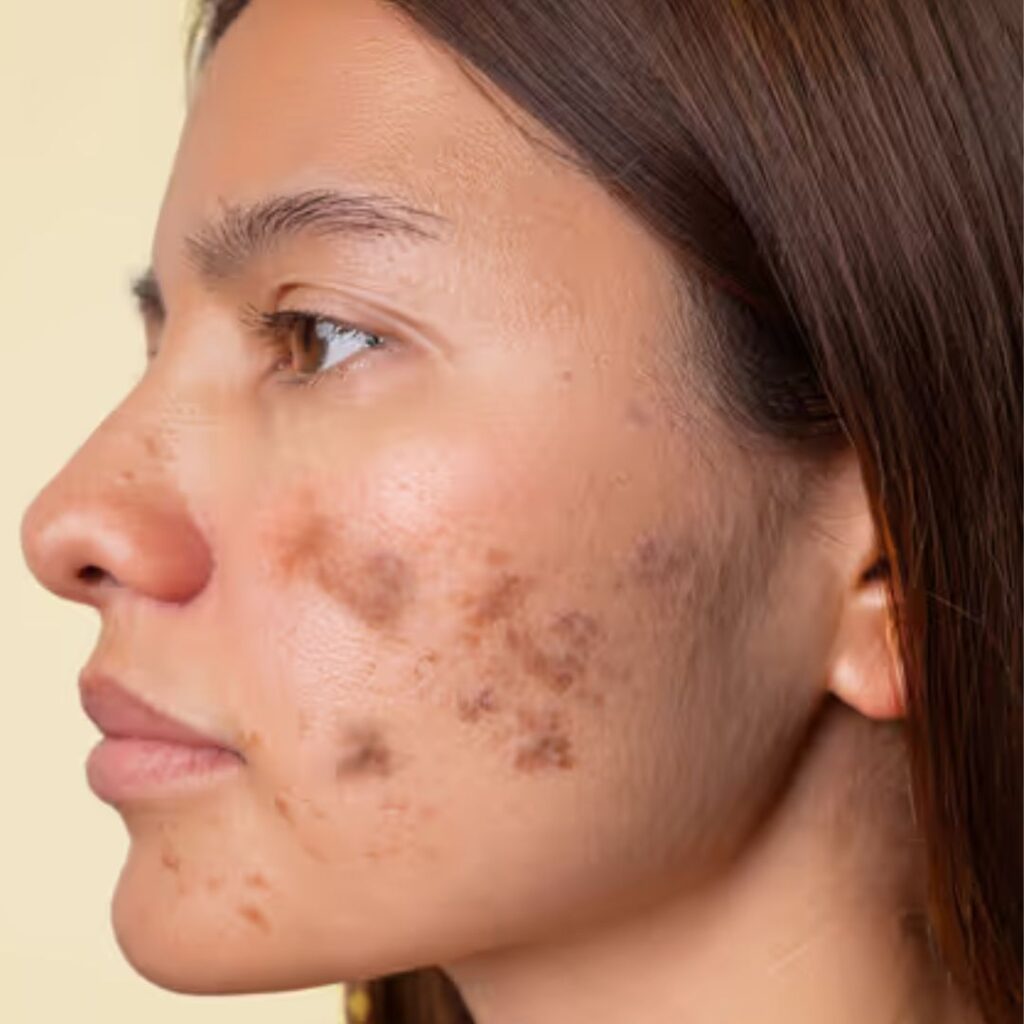
Pigmentation concerns such as dark spots, melasma, and uneven skin tone are common skin issues that affect people of all ages.
While chemical treatments and medical procedures are effective, an increasing number of individuals are now turning to natural botanicals that are supported by scientific evidence for pigmentation control.
These plant-derived ingredients offer gentler yet effective solutions, especially when recommended by a Dermatologist in Roorkee or any qualified skin specialist.
Let’s explore some of the most promising botanicals backed by research and how they can help restore an even, radiant complexion.
Why Botanicals for Pigmentation?
Botanicals have been used in traditional medicine for centuries. Today, modern dermatology combines this wisdom with scientific studies to validate their effectiveness.
Natural extracts are rich in antioxidants, flavonoids, and active compounds that help regulate melanin production—the pigment responsible for skin color.
With proper usage under the guidance of a Skin Specialist in Roorkee, these botanicals can reduce pigmentation safely without causing irritation.
1. Licorice Root Extract (Glycyrrhiza Glabra)
Licorice root is widely recognized for its skin-lightening properties. The active compound glabridin inhibits tyrosinase, the enzyme responsible for melanin production.
Clinical studies show that topical application of licorice extract helps fade dark spots and post-inflammatory hyperpigmentation (PIH).
It also offers anti-inflammatory benefits, making it suitable for sensitive skin types. Many dermatologists suggest formulations containing licorice extract for patients struggling with pigmentation.
2. Green Tea Polyphenols
Green tea is packed with epigallocatechin gallate (EGCG), a powerful antioxidant that helps protect the skin from UV-induced pigmentation.
Studies reveal that green tea extracts can reduce oxidative stress and melanin overproduction, preventing further pigmentation.
A Dermatologist in Roorkee may recommend products with green tea extracts as part of a holistic pigmentation control routine, especially for individuals with sun-induced dark spots.
3. Aloe Vera
Aloe vera contains aloin and aloe-emodin, which have been shown to lighten hyperpigmentation.
Research suggests that these compounds inhibit melanin synthesis, gradually improving skin tone.
Beyond pigmentation, aloe vera soothes and hydrates the skin, making it a multipurpose botanical.
It is particularly effective when used regularly in creams or gels under the supervision of a skin expert.
4. Turmeric (Curcuma Longa)
Turmeric has a long history in Ayurvedic skincare and modern science confirms its benefits. The active compound curcumin possesses strong antioxidant and anti-inflammatory properties.
Studies demonstrate that curcumin reduces hyperpigmentation by regulating excess melanin production and protecting against sun damage.
However, turmeric should be used in standardized extracts rather than raw form to avoid staining or irritation—something a Skin Specialist in Roorkee can guide you on.
5. Soy Extracts
Soy-based skincare products are clinically proven to reduce pigmentation and even out skin tone.
The natural compounds in soy block the transfer of melanin to skin cells, leading to a visible reduction in dark spots over time.
Dermatologists often recommend soy extract formulations for patients with melasma, as they are safe for long-term use and suitable for sensitive skin.
6. Pomegranate Extract
Pomegranate is a rich source of ellagic acid, an antioxidant that reduces melanin activity. Clinical trials indicate that topical pomegranate extract can help lighten hyperpigmented patches and protect the skin against UV damage.
It also boosts collagen production, offering anti-aging benefits along with pigmentation control.
7. Mulberry Extract
Mulberry leaf extract inhibits tyrosinase activity, reducing melanin production effectively. Several studies have highlighted its depigmenting properties, especially when used in combination with other botanical extracts.
This makes it a popular choice in natural brightening creams and serums prescribed by dermatologists.
Integrating Botanicals into Your Skincare Routine
While botanicals are highly effective, using them correctly is essential. A Dermatologist in Roorkee can help you design a personalized skincare plan that combines these natural ingredients with proven medical treatments if needed. Here are some tips for safe integration:
- Always choose dermatologist-tested formulations rather than DIY remedies.
- Combine botanicals with sunscreen for best results, as sun exposure worsens pigmentation.
- Use products consistently, as botanicals work gradually over weeks to months.
- Avoid mixing too many active ingredients at once to prevent irritation.
Final Thoughts
Natural botanicals backed by science offer safe and effective ways to manage pigmentation issues like dark spots, melasma, and uneven skin tone. Ingredients such as licorice root, turmeric, aloe vera, green tea, soy, and pomegranate have shown clinically proven results when used correctly.
For long-lasting improvement, consult a Skin Specialist in Roorkee, who can recommend the right botanical-based treatments tailored to your skin type and condition.
By blending the wisdom of nature with modern dermatological science, you can achieve healthier, clearer, and more radiant skin.