
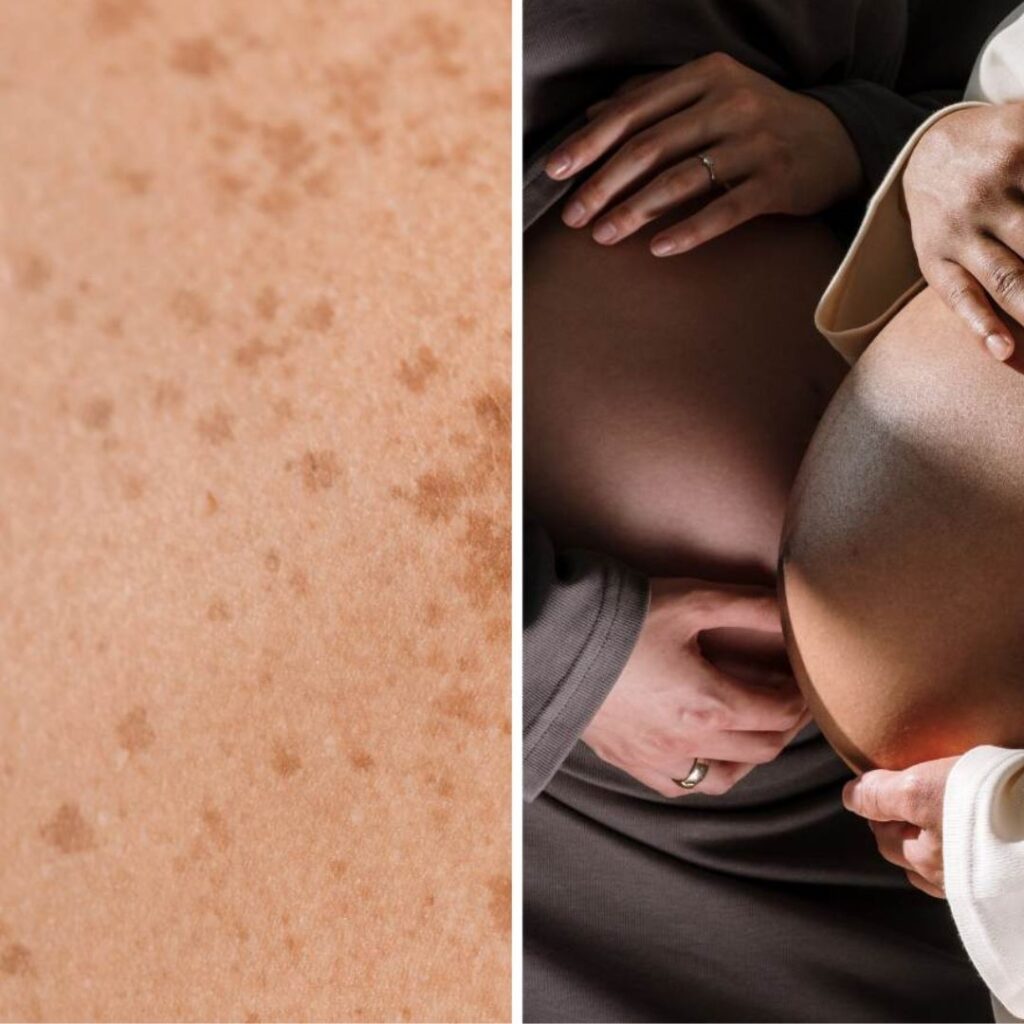
Pregnancy is a beautiful and transformative journey, but it also brings a host of changes to a woman’s body — one of the most common being hyperpigmentation.
Many expecting mothers notice dark patches on their face, neck, or other parts of the body during pregnancy, often referred to as “melasma” or the “mask of pregnancy.” While this condition is usually harmless, it can affect your confidence and make you eager to find safe and effective treatments.
If you are experiencing pigmentation issues, consulting a Dermatologist in Roorkee can help you manage the condition without compromising your or your baby’s health. Here’s a complete guide on how to treat hyperpigmentation during pregnancy safely.
What Causes Hyperpigmentation During Pregnancy?
Hyperpigmentation during pregnancy is primarily triggered by hormonal fluctuations — particularly increased levels of estrogen, progesterone, and melanocyte-stimulating hormone (MSH). These hormones stimulate the production of melanin, the pigment responsible for skin color, leading to dark patches on areas like:
- The face (especially cheeks, forehead, and upper lip)
- The neck and underarms
- The abdomen (linea nigra)
- The areola around the nipples
Factors such as sun exposure, genetics, and skin type can also increase the risk of developing pigmentation during pregnancy.
Safe Ways to Treat Hyperpigmentation During Pregnancy
While hyperpigmentation often fades on its own after delivery, there are safe and effective ways to manage and reduce it during pregnancy. It’s always best to consult a Skin Specialist in Roorkee before starting any treatment, especially when expecting.
Prioritize Sun Protection
The sun is one of the biggest triggers for hyperpigmentation, as UV rays stimulate melanin production. Protecting your skin from sun exposure can significantly reduce the severity of pigmentation.
- Use a broad-spectrum sunscreen (SPF 30 or higher) every day, even indoors.
- Wear a wide-brimmed hat and sunglasses when outdoors.
- Seek shade during peak sunlight hours (10 AM to 4 PM).
Dermatologists often recommend mineral-based sunscreens containing zinc oxide or titanium dioxide, as they are considered safe during pregnancy.
Adopt a Gentle Skincare Routine
During pregnancy, your skin becomes more sensitive, so harsh products can worsen pigmentation or cause irritation. Opt for mild, pregnancy-safe skincare products.
- Use a gentle cleanser and a hydrating moisturizer to maintain your skin barrier.
- Look for vitamin C serums, which are safe and help brighten the skin.
- Avoid scrubbing too hard — gentle exfoliation once or twice a week is enough to remove dead cells and improve skin tone.
A Dermatologist in Roorkee can recommend specific formulations that are effective yet safe for expecting mothers.
Consider Natural Remedies (With Caution)
Some natural ingredients can help lighten pigmentation without harmful side effects. However, always do a patch test or consult a Skin Specialist in Roorkee before trying them:
- Aloe vera gel: Helps soothe and reduce pigmentation over time.
- Licorice extract: Known for its skin-brightening properties.
- Rosehip oil: Contains antioxidants that improve skin tone and fade dark spots.
Avoid strong DIY remedies like lemon juice or apple cider vinegar, as they can irritate sensitive pregnancy skin.
Nutrition for Healthy Skin
Diet plays a significant role in maintaining skin health during pregnancy. A balanced diet rich in antioxidants, vitamins C and E, and omega-3 fatty acids can support skin repair and reduce pigmentation naturally.
- Include citrus fruits, berries, leafy greens, and nuts in your meals.
- Stay hydrated to keep your skin plump and healthy.
Avoid Unsafe Treatments
Certain skin-lightening products and treatments should never be used during pregnancy as they can harm your baby. Avoid:
- Products containing hydroquinone, retinoids, or chemical peels.
- Laser treatments or intense pulsed light (IPL) therapies.
A Dermatologist in Roorkee will guide you on which treatments to postpone until after delivery and which are safe to use during pregnancy.
Post-Pregnancy Treatment Options
In many cases, hyperpigmentation fades naturally within a few months after childbirth. If it persists, you can explore advanced dermatological treatments like:
- Chemical peels
- Laser therapy
- Prescription topical creams
It’s important to consult a Skin Specialist in Roorkee before starting any postpartum treatment to ensure it’s suitable for your skin type and condition.
When to See a Dermatologist
While pigmentation is generally harmless, you should visit a Dermatologist in Roorkee if:
- The dark patches spread rapidly or become itchy.
- Pigmentation appears in unusual areas.
- You are unsure about the right skincare products to use.
Final Thoughts
Hyperpigmentation during pregnancy is a common and natural occurrence, but it doesn’t have to affect your confidence. With the right skincare routine, sun protection, nutrition, and expert guidance, you can manage it safely and effectively. Remember, every skin type is different — so personalized care from a Skin Specialist in Roorkee is the best way to ensure your skin stays healthy and glowing throughout your pregnancy journey.