
Treatment Is Best for Frizzy Hair?
From a dermatological perspective, the best treatment for frizzy hair depends on the underlying cause, such as cuticle damage, moisture imbalance, or chemical injury. Clinically recommended options include keratin-based smoothing treatments, hair botox (deep conditioning therapy), cysteine treatments, and medically guided moisturizing protocols.
Table of Contents
- What Is Frizzy Hair?
- Why Does Frizzy Hair Occur?
- How Does Frizzy Hair Treatment Work?
- Best Dermatologist-Recommended Treatments for Frizzy Hair
- Medical Hair Treatments vs Routine Hair Care
- Benefits of Professional Frizzy Hair Treatments
- Limitations and Medical Considerations
- Common Misconceptions About Frizzy Hair
- Related Questions
- Frequently Asked Questions
- Summary
What Is Frizzy Hair?
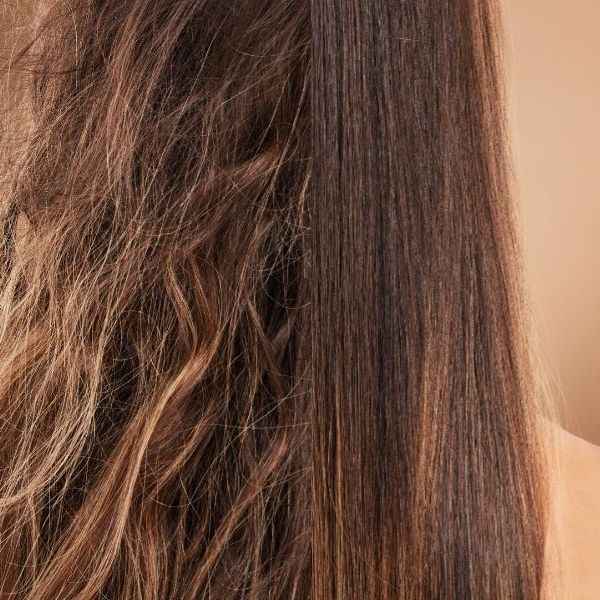
From a dermatological standpoint, frizzy hair is a structural hair shaft condition characterized by rough texture, lack of smoothness, and poor alignment of hair fibers.
It occurs when the hair cuticle, which is the outermost protective layer of the hair shaft, becomes raised or damaged.
Healthy hair cuticles lie flat and reflect light evenly. In frizzy hair, the cuticles lift, allowing excessive moisture exchange with the environment.
For example, individuals with chemically treated or naturally curly hair are more prone to frizz because their cuticles are inherently less compact.
Why Does Frizzy Hair Occur?
Frizzy hair develops primarily due to disruption of the hair’s moisture regulation system. Dermatologists identify several contributing factors:
- Loss of natural lipids from the hair shaft
- Repeated heat exposure from styling tools
- Chemical processing, such as coloring, straightening, or perming
- Environmental humidity, which causes hair fibers to swell
- Genetic predisposition, especially in curly or wavy hair types
Over time, these factors weaken the cuticle barrier, making hair unable to retain internal moisture while absorbing excess humidity externally.
How Does Frizzy Hair Treatment Work?
Dermatological hair treatments aim to restore cuticle integrity and rebalance moisture rather than merely masking symptoms.
- The treatment penetrates the outer cuticle layer.
- Active ingredients fill microscopic gaps in the hair shaft.
- The cuticle is sealed or smoothed to prevent moisture loss.
- Hair fibers align more uniformly, reducing frizz and roughness.
Most professional treatments work by temporarily restructuring the hair surface, improving smoothness, elasticity, and resistance to humidity.
Best Dermatologist-Recommended Treatments for Frizzy Hair
| Treatment | Suitable Hair Type | Dermatological Benefit |
| Keratin Treatment | Severely frizzy, chemically damaged hair | Cuticle repair and long-term smoothing |
| Hair Botox | Dry, brittle, dull hair | Deep hydration and fiber restoration |
| Cysteine Treatment | Wavy, curly, or moderately frizzy hair | Natural smoothing without stiffness |
| Protein-Lipid Therapy | Weak, porous hair | Strengthens hair structure |
| Medical Deep Conditioning | Mild frizz | Improves moisture retention |
Keratin Treatment
Keratin treatments replenish lost keratin proteins in the hair shaft. From a medical view, they temporarily reinforce cuticle cohesion, reducing porosity and surface irregularities.
They are particularly effective for patients with chemical or heat-induced hair damage.
Hair Botox
Hair botox is a non-invasive conditioning therapy that uses amino acids, peptides, and moisturizing agents.
Dermatologists often recommend it for dry and aging hair as it improves elasticity without altering natural hair texture.
Cysteine Treatment
Cysteine is an amino acid naturally found in hair. Treatments based on cysteine smooth frizz while preserving natural curl patterns, making them suitable for patients seeking controlled frizz without straightening.
Medical Hair Treatments vs Routine Hair Care
| Parameter | Professional Treatments | Routine Hair Care |
| Depth of action | Structural | Surface-level |
| Longevity | Weeks to months | Daily |
| Frizz reduction | Significant | Limited |
| Cuticle repair | Yes | No |
| Medical supervision | Often required | Not required |
Daily hair care products maintain results but cannot reverse structural hair damage on their own.
Benefits of Professional Frizzy Hair Treatments
- Restore cuticle smoothness
- Improve hair hydration balance
- Reduce hair shaft porosity
- Increase shine and softness
- Enhance manageability
- Provide humidity resistance
From a dermatological perspective, controlled professional treatments help prevent secondary hair breakage and split ends.
Limitations and Medical Considerations
- Results are temporary and require maintenance
- Not all treatments suit sensitive scalps
- Overuse may weaken hair protein balance
- Heat-assisted treatments require careful application
- Pregnant or lactating individuals should consult a dermatologist
A personalized hair assessment is essential before choosing any treatment.
Common Misconceptions About Frizzy Hair
Myth: Frizzy hair means unhealthy hair
Fact: Frizz often reflects moisture imbalance, not disease
Myth: Oils permanently fix frizz
Fact: Oils provide surface lubrication but do not repair cuticles
Myth: All frizz treatments straighten hair
Fact: Many treatments focus only on smoothness and hydration
Related Questions
Is keratin treatment medically safe for frizzy hair?
When performed correctly and infrequently, keratin treatments are generally considered safe.
Can dermatologists treat frizzy hair?
Yes, dermatologists and trichologists can diagnose the cause and recommend appropriate therapy.
Does frizzy hair indicate nutritional deficiency?
Occasionally, deficiencies in protein or essential fatty acids may worsen hair texture.
Frequently Asked Questions
Which treatment is safest for long-term frizz control?
Hair botox and cysteine treatments are often considered gentler options.
How long do professional frizzy hair treatments last?
Most last between 2 to 6 months depending on hair type and care routine.
Can frizzy hair be reversed permanently?
Frizz can be managed but not permanently cured, as hair structure continues to grow.
Is frizzy hair linked to scalp conditions?
Scalp dryness or inflammation can indirectly worsen hair texture.
Should frizzy hair be treated medically or cosmetically?
Mild frizz is cosmetic, but severe damage benefits from medical evaluation.
Summary
- Frizzy hair results from cuticle disruption and moisture imbalance
- Dermatologist-recommended treatments focus on structural repair
- Keratin, hair botox, and cysteine are most effective options
- Treatment choice depends on hair condition and sensitivity
Professional guidance improves safety and outcomes