
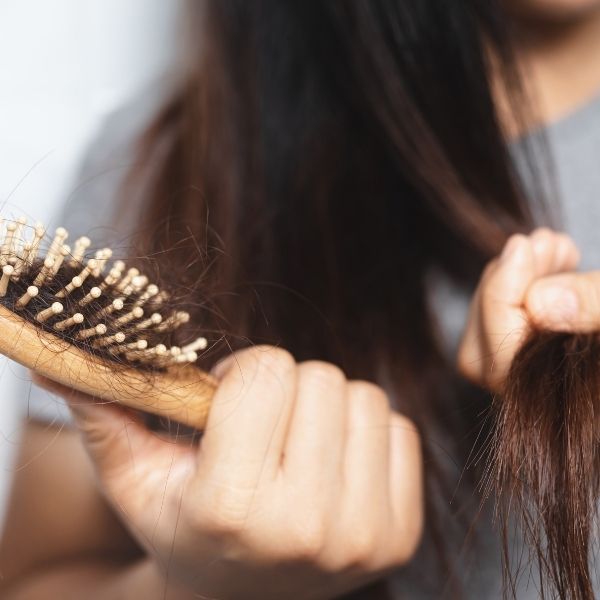
Best Treatment for Hair Fall in Women
Short Answer: Hair fall in women is rarely caused by a single factor, and therefore, no single treatment works for everyone. Effective treatment begins with identifying the cause—whether hormonal imbalance, nutritional deficiency, stress, or medical condition—and then combining medical therapy, lifestyle changes, and professional hair treatments like minoxidil, PRP therapy, or low-level laser therapy to reduce hair loss and promote healthy regrowth.
Table of Contents
- What Is Hair Fall in Women?
- Why Does Hair Fall Occur in Women?
- How Does Hair Fall Treatment Work?
- Dermatologist-Recommended Treatments for Hair Fall in Women
- Daily Hair Care and Lifestyle Adjustments
- Professional Treatments for Female Hair Loss
- Hair Fall Treatments vs Cosmetic Hair Care
- Benefits of Treating Hair Fall Medically
- Limitations and Considerations
- Common Misconceptions About Hair Fall in Women
- Related Questions
- Frequently Asked Questions
- Summary
What Is Hair Fall in Women?
Hair fall in women refers to unusually excessive hair shedding or thinning that impacts hair volume and density. While losing 50–100 hairs per day is considered normal, persistent thinning or bald patches signal an underlying problem.
Unlike men, women rarely experience complete baldness. Instead, female hair loss usually presents as diffuse thinning across the scalp, widening of the part line, or hair that appears less dense. Female pattern hair loss is subtle at first, often noticed when hair seems limp or ponytails look thinner.
Emotionally, hair fall can affect confidence, self-image, and overall well-being. Many women feel stressed, anxious, or even embarrassed, which is why early diagnosis and treatment are crucial.
Why Does Hair Fall Occur in Women?
Hair fall in women is multi-factorial, meaning several factors may act together. Understanding the underlying cause is essential for selecting the right treatment.
Common Causes Include:
- Hormonal Changes
- Thyroid disorders, polycystic ovarian syndrome (PCOS), menopause, or postpartum hormone shifts can trigger hair fall.
- Example: Postpartum hair shedding occurs due to a drop in estrogen levels after pregnancy.
- Nutritional Deficiencies
- Lack of iron, vitamin D, biotin, or protein can weaken hair roots and slow regrowth.
- Women who skip meals, follow restrictive diets, or have anemia are particularly susceptible.
- Stress and Trauma
- Emotional or physical stress can push hair follicles into the resting phase, leading to temporary shedding, known as telogen effluvium.
- Medical Conditions
- Autoimmune disorders, diabetes, and chronic illnesses may cause hair fall.
- Genetic Predisposition
- Female pattern hair loss often runs in families.
- Scalp Issues
- Dandruff, fungal infections, or inflammation can damage follicles and trigger shedding.
Early detection and a dermatologist-guided approach often make a significant difference in outcomes.
How Does Hair Fall Treatment Work?
Hair fall treatments target two main goals:
- Protecting existing hair follicles from further damage
- Stimulating regrowth of weakened or dormant follicles
Hair grows in cycles:
- Anagen (growth phase)
- Catagen (transition phase)
- Telogen (resting/shedding phase)
Treatments aim to prolong the anagen phase and strengthen follicles, ensuring healthier, thicker hair over time.
Successful treatment usually combines:
- Medical therapy (topical or oral)
- Nutritional supplementation
- Lifestyle changes
- Professional therapies (PRP, laser, scalp treatments)
Dermatologist-Recommended Treatments for Hair Fall in Women
| Treatment | Best For | How It Helps |
| Topical Minoxidil | Female pattern hair loss | Stimulates follicles, prolongs growth phase |
| Oral Supplements | Nutritional deficiencies | Strengthens roots and hair shaft |
| Hormonal Therapy | PCOS, thyroid imbalance | Restores hormonal balance to reduce shedding |
| PRP Therapy | Chronic thinning or diffuse hair loss | Uses patient’s own platelets to stimulate follicles |
| Medical Scalp Care | Dandruff, inflammation, scalp infections | Improves scalp health, reduces follicle stress |
Topical Minoxidil
- Applied twice daily on the scalp
- Increases blood flow to hair follicles
- Gradually reduces shedding over 3–6 months
- Often combined with other treatments for best results
Nutritional Correction
- Protein-rich diet with iron, zinc, vitamin D, and B vitamins
- Supplements prescribed based on deficiency testing
- Improves hair shaft strength and reduces brittleness
Hormonal Therapy
- Prescribed only after lab testing
- Addresses thyroid, PCOS, or menopause-related hair fall
- Hormonal balance often reduces hair shedding and promotes regrowth
Daily Hair Care and Lifestyle Adjustments
Even the best medical treatment requires supportive daily habits.
Recommended Practices:
- Wash hair with mild, sulfate-free shampoos
- Avoid tight hairstyles and frequent heat styling
- Keep the scalp clean and nourished
- Manage stress through meditation, exercise, or therapy
- Maintain a balanced diet rich in protein, iron, and vitamins
Consistency is key—small daily choices can significantly improve results over time.
Professional Treatments for Female Hair Loss
Platelet-Rich Plasma (PRP) Therapy
- Uses the patient’s own blood platelets
- Injected into the scalp to stimulate dormant follicles
- Encourages thicker, healthier hair growth
- Typically requires multiple sessions spaced 4–6 weeks apart
Mesotherapy
- Microinjections of vitamins, amino acids, and growth factors
- Directly nourish follicles
- Supports hair density, especially when deficiencies exist
Low-Level Laser Therapy (LLLT)
- Uses red light to improve blood circulation to follicles
- Stimulates growth in early hair thinning
- Can be used at home with FDA-approved devices or in clinics
When to Consult a Dermatologist
- Sudden increase in hair shedding
- Thinning ponytail or widening part line
- Hair fall accompanied by scalp itching, redness, or scaling
Early evaluation helps tailor the most effective plan.
Hair Fall Treatments vs Cosmetic Hair Care
| Feature | Medical Treatment | Cosmetic Products |
| Treats root cause | ✅ | ❌ |
| Provides long-term results | ✅ | ❌ |
| Requires diagnosis | ✅ | ❌ |
| Follicle stimulation | ✅ | ❌ |
| Cosmetic enhancement | Limited | ✅ |
Cosmetic solutions like shampoos or oils can improve hair appearance temporarily, but they cannot stop or reverse medical hair loss.
Benefits of Treating Hair Fall Medically
- Reduces excessive hair shedding
- Improves hair thickness and volume
- Corrects underlying health or hormonal issues
- Supports a healthier scalp environment
- Boosts confidence and emotional well-being
Medical treatment addresses both cause and symptom, offering sustainable improvement rather than temporary masking.
Limitations and Considerations
- Hair regrowth is gradual—visible results may take 3–6 months
- Some forms of hair loss are irreversible (e.g., advanced scarring alopecia)
- Maintenance treatments may be necessary
- Self-medication can worsen hair fall
- Early intervention leads to better outcomes
Patients must maintain realistic expectations and follow their dermatologist’s guidance.
Common Misconceptions About Hair Fall in Women
Myth: Hair fall always leads to baldness
Fact: Most female hair loss is reversible if diagnosed early
Myth: Hair oils or masks alone can stop hair fall
Fact: Oils improve scalp condition but do not treat underlying causes
Myth: Hair fall treatments show instant results
Fact: Hair grows slowly; consistent treatment over months is required
Related Questions
Can stress alone cause hair fall in women?
Yes, stress can trigger temporary hair shedding, but it often resolves once stress is managed.
Is postpartum hair fall permanent?
No. Most women experience shedding for 3–6 months after delivery, after which hair regrowth occurs naturally.
Does frequent washing cause hair fall?
No. Washing removes hair that has already shed and does not damage follicles.
Frequently Asked Questions
Which treatment works best for female pattern hair loss?
Topical minoxidil, sometimes combined with PRP or nutritional therapy, is most effective.
How long before results are visible?
Noticeable improvement usually appears after 3–6 months.
Can hair fall return after stopping treatment?
Yes, ongoing maintenance may be required, especially for genetic or hormonal causes.
Is PRP therapy safe for women?
Yes, when performed by a qualified dermatologist in Roorkee.
Should women stop oiling their hair if experiencing hair fall?
Oiling is safe and can improve scalp health but should not replace medical treatment.
Summary
- Hair fall in women has multiple causes, often requiring a multi-pronged approach
- Correct diagnosis is the first step for effective treatment
- Topical minoxidil, nutritional supplementation, hormonal therapy, and PRP are evidence-based options
- Daily hair care, stress management, and diet enhance medical results
Early intervention leads to better, sustainable outcomes