
Eczema is a chronic skin condition that can affect people of all ages, but when it appears on high-movement areas like elbows and knees, it can become particularly uncomfortable. These joints experience constant friction, bending, and pressure, which often makes eczema symptoms more noticeable and harder to manage.
This guide explains why eczema commonly affects elbows and knees, what symptoms to expect, how it is diagnosed, and what daily skin care and treatment approaches actually help. Whether you’re newly diagnosed or managing flare-ups for years, this article answers the most common questions patients have.
What Is Eczema and Why Does It Appear on Elbows and Knees?
Eczema, medically known as atopic dermatitis, is an inflammatory skin disorder linked to a weakened skin barrier and immune system overreaction. The elbows and knees are frequent targets because:
- These areas experience repeated bending and stretching
- Skin here tends to be thicker and drier
- Sweat and friction can irritate already sensitive skin
- Clothing often rubs against these joints
Because of these factors, eczema in these regions may heal more slowly and flare up more often.
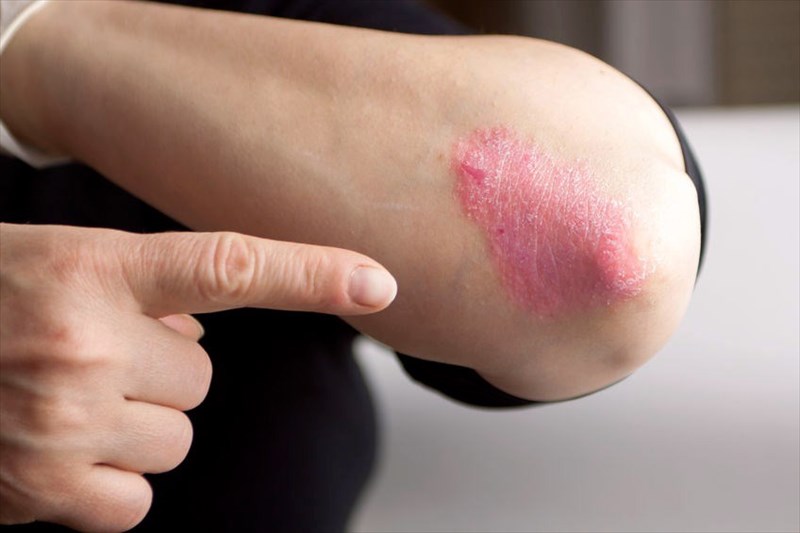
Common Symptoms of Eczema on Elbows and Knees
Eczema symptoms can vary in intensity from person to person, but the most frequently reported signs include:
- Persistent dryness and rough patches
- Red or darkened skin depending on skin tone
- Intense itching, especially at night
- Thickened or leathery skin due to repeated scratching
- Small cracks that may bleed or ooze
- Burning or stinging sensation during flare-ups
In chronic cases, the skin on elbows and knees may become permanently discolored if not managed properly.
Is Eczema on Joints Different From Eczema Elsewhere?
Yes. Eczema on elbows and knees behaves slightly differently than eczema on softer areas like the face or neck.
- Healing takes longer due to constant joint movement
- Scratching damage is higher, leading to skin thickening
- Moisture retention is harder, increasing dryness
- Topical treatments may need stronger formulations
Because of this, treatment plans often need adjustment when eczema affects joint areas.
What Triggers Eczema Flare-Ups on Elbows and Knees?
Understanding triggers is essential for long-term control. Common triggers include:
- Cold or very dry weather
- Excessive sweating
- Harsh soaps or body washes
- Synthetic or tight clothing
- Stress and lack of sleep
- Allergens such as dust mites or pollen
Identifying personal triggers helps reduce the frequency and severity of flare-ups.
How Is Eczema on Elbows and Knees Diagnosed?
Diagnosis is usually clinical, meaning it’s based on visual examination and medical history. A trained Skin Specialist In Roorkee may also:
- Ask about family history of allergies or asthma
- Review past flare-up patterns
- Rule out conditions like psoriasis or fungal infections
- Recommend allergy testing in persistent cases
Early diagnosis prevents unnecessary complications such as infections or long-term skin damage.
Daily Skin Care Tips for Managing Eczema on Elbows and Knees
Consistent skin care is more important than occasional treatment. Follow these dermatologist-recommended habits:
1. Moisturize Strategically
Apply fragrance-free, thick moisturizers immediately after bathing to lock in moisture.
2. Avoid Hot Showers
Hot water strips natural oils and worsens dryness. Use lukewarm water instead.
3. Choose Gentle Cleansers
Use soap-free or mild cleansers with neutral pH.
4. Reduce Friction
Wear loose, breathable cotton clothing around elbows and knees.
5. Control Scratching
Keep nails short and consider using cold compresses to reduce itching.
Medical Treatment Options You May Be Advised
When home care is not enough, a dermatologist may suggest:
- Topical corticosteroids to reduce inflammation
- Calcineurin inhibitors for sensitive or long-term use
- Antihistamines for itch control
- Antibiotic creams if infection is present
- Phototherapy in severe or chronic cases
A qualified Dermatologist In Roorkee ensures treatment is tailored to skin type, age, and severity.
Can Eczema on Elbows and Knees Be Cured Permanently?
Currently, eczema does not have a permanent cure. However, long-term remission is achievable with:
- Trigger avoidance
- Consistent skin care
- Correct medication use
- Periodic medical follow-ups
Many patients experience years of clear skin when eczema is managed proactively rather than reactively.
When Should You See a Skin Doctor?
You should seek professional help if:
- Symptoms worsen despite home care
- Skin becomes painful, cracked, or infected
- Itching disrupts sleep or daily activities
- Dark patches or thick skin develop
Early intervention prevents chronic skin changes and improves quality of life.
About Dr Hera’s Skin & Hair Clinic
Dr Hera’s Skin & Hair Clinic is known for its patient-centric approach, ethical treatment plans, and evidence-based dermatology care. Instead of focusing only on symptoms, the clinic emphasizes understanding triggers, lifestyle factors, and long-term skin health.
Patients receive personalized treatment plans designed to manage chronic conditions like eczema while minimizing side effects. The clinic combines medical expertise with practical skin-care education, helping patients maintain healthier skin beyond the consultation room.
Clinic Address: Dr Hera’s Skin & Hair Clinic, Malviya Chowk, near Bank of India, Roorkee, Uttarakhand 247667
Final Thoughts
Eczema on elbows and knees can be frustrating, but with the right knowledge and care, it is highly manageable. Understanding triggers, following a disciplined skin-care routine, and seeking expert guidance when needed can significantly reduce flare-ups and discomfort.
Healthy skin is not about quick fixes—it’s about consistency, awareness, and timely professional support.