
Skin pigmentation issues are among the most common dermatological concerns today. From uneven skin tone and dark patches to stubborn marks that refuse to fade, pigmentation can affect confidence and overall skin health. The key to effective treatment is correctly identifying the type of pigmentation—because every pigmentation problem does not have the same cause or solution.
This detailed guide will help you understand different pigmentation types, how to identify them, and the most effective treatment options backed by medical expertise.
What Is Skin Pigmentation?
Skin pigmentation refers to the coloring of your skin, which is determined by melanin—a natural pigment produced by melanocyte cells. When melanin production becomes uneven or excessive, it leads to darkened areas or patches on the skin.
Pigmentation problems can develop due to sun exposure, hormonal changes, inflammation, genetics, lifestyle habits, or certain medical conditions.
Why Identifying the Right Pigmentation Type Is Crucial
Many people make the mistake of using random creams or home remedies without understanding their specific pigmentation issue. This can worsen the condition or cause skin damage.
Correct identification helps in:
- Choosing the right treatment approach
- Avoiding unnecessary skin irritation
- Achieving faster and longer-lasting results
- Preventing recurrence
Consulting a qualified Skin Specialist In Roorkee ensures accurate diagnosis and safe treatment planning.
Common Types of Skin Pigmentation and How to Identify Them
Melasma
Melasma appears as symmetrical brown or grayish patches, usually on the cheeks, forehead, nose, and upper lip. It is commonly linked to hormonal changes such as pregnancy, oral contraceptives, or thyroid imbalance.
Key signs:
- Symmetrical facial patches
- Worsens with sun exposure
- More common in women
Post-Inflammatory Hyperpigmentation (PIH)
This type develops after acne, burns, cuts, or skin inflammation. It appears as dark spots exactly where the injury or acne existed.
Key signs:
- Flat dark spots
- Follows acne or skin trauma
- Common in deeper skin tones
Sunspots (Solar Lentigines)
These are caused by prolonged sun exposure and usually appear on the face, hands, shoulders, and arms.
Key signs:
- Light to dark brown spots
- Increase with age
- Appear in sun-exposed areas
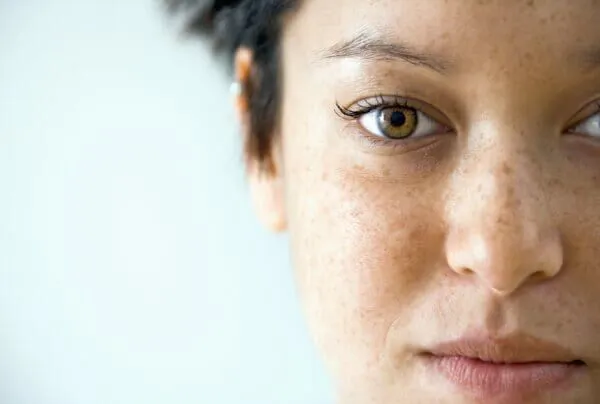
Freckles
Freckles are small brown spots that become darker with sun exposure. They are largely genetic and harmless.
Key signs:
- Small, scattered spots
- Darken in sunlight
- Usually appear early in life
Dark Circles and Periorbital Pigmentation
Pigmentation around the eyes may be due to genetics, lifestyle factors, allergies, or vascular issues.
Key signs:
- Brown or bluish discoloration under eyes
- Worsens with fatigue or dehydration
How Dermatologists Diagnose Pigmentation
A professional diagnosis involves:
- Detailed skin examination
- Medical and lifestyle history
- Use of tools like Wood’s lamp (to identify pigment depth)
Accurate diagnosis helps determine whether pigmentation is superficial, deep, or mixed—each requiring a different treatment approach.
Effective Treatment Options Based on Pigmentation Type
Topical Medications
Prescription creams may include:
- Tyrosinase inhibitors
- Retinoids
- Mild exfoliating agents
These help regulate melanin production and improve skin turnover.
Chemical Peels
Medical-grade peels help remove pigmented surface layers and stimulate healthy skin regeneration. They are highly effective when customized for skin type and pigmentation depth.
Laser and Light-Based Treatments
Advanced laser therapies target melanin deposits directly and are particularly useful for stubborn or deep pigmentation.
Oral Medications and Supplements
In some cases, internal treatment is advised to control hormonal or inflammatory triggers contributing to pigmentation.
A trained Dermatologist In Roorkee can decide the safest combination of therapies based on your skin condition.
Lifestyle Changes That Support Pigmentation Treatment
- Daily use of broad-spectrum sunscreen
- Avoiding excessive sun exposure
- Gentle skincare routines
- Managing stress and sleep patterns
- Avoiding harsh home remedies
Consistency is essential—pigmentation treatment is gradual, not instant.
When Should You Seek Professional Help?
If pigmentation:
- Persists despite home care
- Worsens over time
- Affects large skin areas
- Impacts confidence or emotional well-being
Professional evaluation is strongly recommended to avoid long-term skin damage.
Dr Hera’s Skin & Hair Clinic: A Trusted Name in Advanced Skin Care
Dr Hera’s Skin & Hair Clinic is known for combining medical precision with personalized care. The clinic focuses on evidence-based dermatology, offering customized pigmentation treatments rather than one-size-fits-all solutions.
Patients benefit from:
- Detailed skin analysis
- Modern dermatological technology
- Transparent treatment plans
- Ethical, result-oriented care
The clinic emphasizes long-term skin health, not temporary cosmetic fixes, ensuring safety and effectiveness at every step.
Final Takeaway
Understanding your pigmentation type is the foundation of effective treatment. With the right diagnosis, expert guidance, and consistent care, pigmentation can be significantly reduced and managed safely. Professional dermatological care ensures that your skin receives the attention it truly deserves.