
Skin pigmentation is one of the most common dermatological concerns people experience. Dark patches, uneven skin tone, and discoloration can appear on the face, neck, hands, or other body areas. While many cases are harmless and temporary, certain types of pigmentation may indicate deeper skin conditions that require professional attention.
Understanding when pigmentation is normal and when it signals a medical concern can help you take the right steps for treatment and prevention.
Understanding What Skin Pigmentation Is
Skin pigmentation refers to the coloring of the skin caused by a pigment called melanin. Melanin is produced by specialized cells known as melanocytes. These cells determine the color of your skin, hair, and eyes.
When melanin production becomes uneven or excessive in certain areas, it can lead to hyperpigmentation. This appears as dark spots, patches, or areas of uneven skin tone.
Common causes include:
- Sun exposure
- Hormonal changes
- Skin injuries or acne
- Certain medications
- Genetic factors
In many cases, pigmentation fades naturally over time. However, persistent or spreading pigmentation may require medical evaluation.
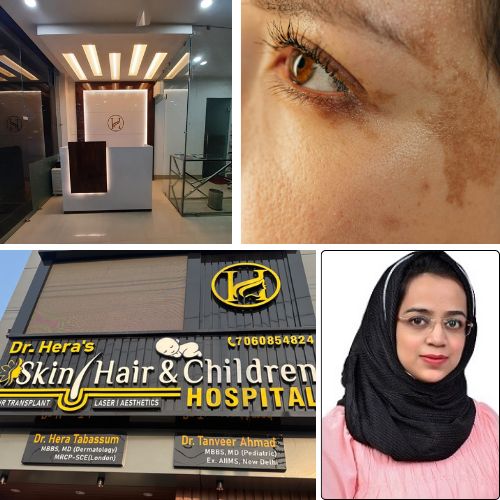
A Real Case Example: Recognizing Early Signs
A 34-year-old working professional noticed small brown patches developing across her cheeks and forehead. Initially, she assumed it was due to sun exposure and tried home remedies like aloe vera and turmeric masks.
After several months, the pigmentation became darker and began spreading toward the temples. Makeup could no longer cover it completely, and the skin texture felt uneven.
Concerned about the sudden change, she decided to consult a Skin Specialist In Roorkee for a proper diagnosis. During the consultation, the doctor identified the condition as melasma triggered by hormonal imbalance and sun damage.
With a personalized treatment plan including medical creams, sunscreen, and lifestyle adjustments, her pigmentation gradually improved within a few months.
This case highlights how early medical guidance can prevent pigmentation from becoming more severe.
Common Types of Skin Pigmentation
Pigmentation can appear in different forms depending on its cause.
Melasma
Melasma causes symmetrical brown or grayish patches on the face, especially on the cheeks, nose, forehead, and upper lip. It often occurs during pregnancy or due to hormonal fluctuations.
Sunspots (Solar Lentigines)
These are flat dark spots caused by prolonged sun exposure. They are common in individuals who spend long hours outdoors without proper sun protection.
Post-Inflammatory Hyperpigmentation
This type develops after skin inflammation, acne, burns, or injuries. Once the skin heals, darker patches may remain temporarily.
Freckles
Freckles are small, light brown spots that appear due to genetics and sun exposure. They are usually harmless.
Warning Signs That Need Medical Attention
Not all pigmentation requires medical treatment, but certain warning signs should never be ignored.
Rapidly Changing Dark Spots
If a pigmentation patch suddenly grows, changes color, or becomes irregular in shape, it should be examined by a professional.
Persistent Pigmentation
Dark spots that do not fade after several months may indicate deeper skin issues.
Pigmentation with Itching or Pain
When pigmentation is accompanied by itching, redness, swelling, or pain, it may be linked to infections or allergic reactions.
Uneven Borders or Multiple Colors
Pigmentation that appears uneven, very dark, or contains multiple shades should be evaluated carefully to rule out serious skin conditions.
In such situations, consulting an experienced Dermatologist In Roorkee can help identify the root cause and ensure timely treatment.
Factors That Can Worsen Pigmentation
Certain lifestyle habits can make pigmentation more severe or prevent it from fading.
Some common aggravating factors include:
- Excessive sun exposure without sunscreen
- Frequent skin irritation from harsh cosmetics
- Picking or squeezing acne
- Hormonal imbalance
- Stress and poor sleep
Protecting the skin from UV rays and following a consistent skincare routine can significantly reduce the risk of worsening pigmentation.
How Pigmentation Is Diagnosed?
A dermatologist typically diagnoses pigmentation through a combination of visual examination and medical history.
The process may include:
- Skin analysis under specialized lighting
- Review of medications and hormonal history
- Examination of sun exposure habits
- In rare cases, a small skin biopsy
Accurate diagnosis is important because different types of pigmentation require different treatment approaches.
Treatment Options Available
Modern dermatology offers several effective solutions to manage pigmentation.
Medical Creams
Prescription creams containing ingredients such as hydroquinone, retinoids, or azelaic acid help lighten dark patches gradually.
Chemical Peels
Chemical peels remove damaged skin layers and stimulate the growth of fresh skin cells.
Laser Treatments
Advanced laser therapies target excess melanin and break down pigmentation safely.
Sunscreen and Skin Protection
Daily use of broad-spectrum sunscreen is essential in preventing pigmentation from returning.
Treatment results depend on the type of pigmentation, skin type, and how early the condition is addressed.
A Trusted Skin Care Destination in Roorkee
For individuals dealing with persistent skin concerns, Dr Hera’s Skin & Hair Clinic has become a trusted name in dermatological care. The clinic focuses on personalized treatment plans designed after understanding each patient’s unique skin condition.
Located near Bank of India at Malviya Chowk in Roorkee, the clinic offers professional consultation for a wide range of skin and hair issues. Patients appreciate the detailed skin analysis, modern treatment methods, and clear guidance provided during every visit.
The clinic emphasizes safe, medically approved procedures while educating patients about long-term skin health. This approach ensures that treatments address the root cause rather than only the visible symptoms.
Preventing Pigmentation Naturally
Prevention plays an important role in maintaining healthy and even-toned skin.
Here are some effective habits:
- Apply sunscreen daily (SPF 30 or higher)
- Wear hats or protective clothing in strong sunlight
- Avoid harsh skincare products
- Maintain proper hydration
- Follow a balanced diet rich in antioxidants
Early care and protection can significantly reduce the chances of developing stubborn pigmentation.