
Melasma is a common skin condition that causes dark, patchy pigmentation—most often on the face. A widespread myth suggests that melasma is directly linked to liver damage. But how true is this claim?
In this detailed guide, we’ll break down the science, clear misconceptions, and help you understand the real causes of melasma—so you can make informed decisions about treatment and care.
What Is Melasma?
Melasma is a form of hyperpigmentation that appears as brown, grey-brown, or bluish patches, typically on areas exposed to the sun such as:
- Cheeks
- Forehead
- Nose
- Upper lip
It is more common in women, especially during hormonal changes like pregnancy—often referred to as the “mask of pregnancy.”
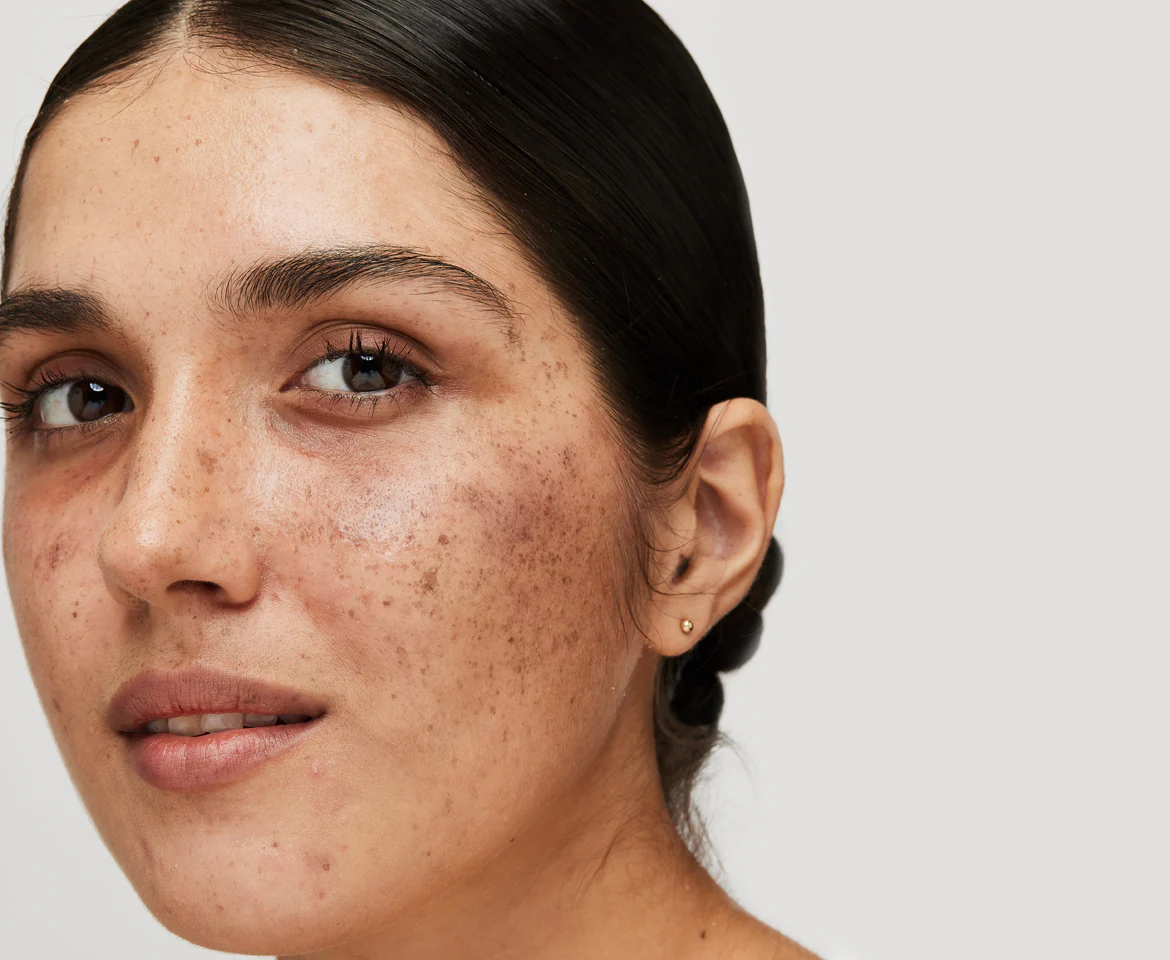
Is There a Link Between Melasma and Liver Damage?
The short answer: No, melasma is not caused by liver damage.
This belief originates from traditional or alternative medicine systems where skin discoloration is sometimes associated with internal organ imbalances, including the liver. However, modern dermatology and scientific research do not support this connection.
Why This Myth Exists
- In some cultures, pigmentation issues are linked to “toxins” in the body
- Liver disorders can sometimes cause yellowing of the skin (jaundice), which people confuse with pigmentation
- Lack of awareness about hormonal and UV-related triggers
While your liver plays an essential role in detoxifying your body, it does not directly cause melasma.
The Real Causes of Melasma
Understanding the actual triggers helps in both prevention and treatment.
Hormonal Changes
Hormones play a major role in melasma development. It is commonly seen in:
- Pregnancy
- Women taking oral contraceptives
- Hormone replacement therapy
These hormonal shifts stimulate melanocytes (pigment-producing cells), leading to excess melanin production.
Sun Exposure
Ultraviolet (UV) rays are one of the biggest triggers.
Even brief sun exposure can worsen melasma by activating melanocytes. This is why melasma often appears or darkens during summer or in sunny climates.
Genetics
If someone in your family has melasma, your chances of developing it increase significantly.
Skin Type
People with medium to darker skin tones are more prone to melasma due to more active melanocytes.
Certain Medications and Cosmetics
Some skincare products or medications can increase skin sensitivity, making pigmentation more likely when exposed to sunlight.
Can Liver Problems Cause Skin Pigmentation?
Liver disorders can cause certain skin changes—but they are different from melasma.
Common Liver-Related Skin Signs
- Yellowing of skin and eyes (jaundice)
- Itching (pruritus)
- Spider angiomas (small, spider-like blood vessels)
These symptoms are usually accompanied by other health issues such as fatigue, abdominal pain, or nausea.
Melasma, on the other hand, is purely a pigmentation disorder—not a sign of liver disease.
How to Identify True Melasma
Melasma typically:
- Appears symmetrically on the face
- Has irregular but well-defined borders
- Does not itch or cause pain
- Becomes darker with sun exposure
If you’re unsure about your condition, consulting a qualified Dermatologist In Roorkee can help you get an accurate diagnosis and rule out other skin concerns.
Effective Treatment Options for Melasma
Melasma can be stubborn, but it is manageable with the right approach.
Topical Treatments
- Hydroquinone (skin-lightening agent)
- Retinoids
- Azelaic acid
- Kojic acid
These help reduce pigmentation gradually.
Chemical Peels
Superficial or medium-depth peels can help exfoliate pigmented layers and promote new skin growth.
Laser and Light Therapies
Advanced treatments can target pigment, but they must be performed carefully to avoid worsening the condition.
Sun Protection (Most Important)
Daily sunscreen use is essential—even indoors.
- Use SPF 30 or higher
- Reapply every 2–3 hours
- Wear hats and protective clothing
Lifestyle Tips to Manage Melasma
- Avoid excessive sun exposure
- Use gentle, non-irritating skincare products
- Maintain hormonal balance (consult a doctor if needed)
- Avoid DIY or harsh treatments
When Should You Be Concerned About Liver Health?
Although melasma isn’t related to liver damage, you should consult a physician if you experience:
- Yellowing of skin or eyes
- Persistent fatigue
- Loss of appetite
- Dark urine
These could indicate liver issues that require medical attention.
A Patient-Focused Approach to Skin Care
At Dr Hera’s Skin & Hair Clinic, patient care goes beyond surface-level treatment. The clinic emphasizes:
- Accurate diagnosis using modern dermatological methods
- Personalized treatment plans based on skin type and condition
- Safe, evidence-based procedures for pigmentation concerns
With a commitment to skin health and long-term results, the clinic provides a trusted environment for those dealing with melasma and other skin conditions.
Final Thoughts
Melasma is often misunderstood, leading to myths like its connection to liver damage. In reality, it is primarily influenced by hormones, sun exposure, and genetics—not liver health.
Understanding the root cause is the first step toward effective treatment.
Instead of relying on myths, focus on scientifically proven methods and professional guidance to manage melasma safely and effectively.