
Hyperpigmentation is a common skin concern seen in many people today. It causes dark patches on the skin that look uneven and noticeable. Even though it is not harmful, it can affect confidence and skin appearance.
This guide on Different Types of Hyperpigmentation and Their Treatments explains what it is, why it happens, and how it can be treated in a simple way.
What is Hyperpigmentation?
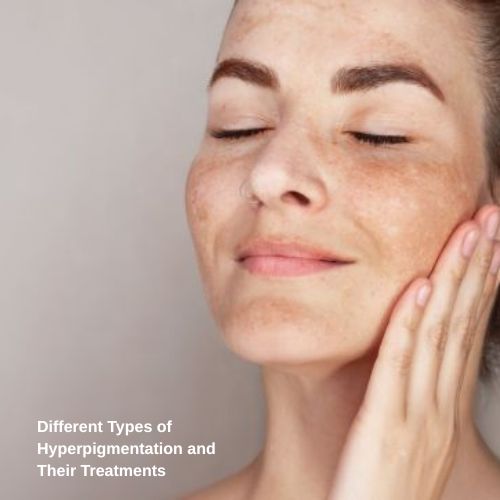
Hyperpigmentation means dark patches on the skin that are deeper in color than your normal skin tone. This happens when the skin produces extra melanin.
These patches may look brown, black, gray, or sometimes reddish. They usually appear on the face, neck, hands, and other sun-exposed areas.
Common terms linked with hyperpigmentation:
- skin pigmentation
- dark spots on skin
- uneven skin tone
Understanding Different Types of Hyperpigmentation and Their Treatments helps in choosing the right care for your skin.
Why Does Hyperpigmentation Happen?
Hyperpigmentation develops when melanin production increases due to internal or external triggers.
Common causes include:
- Too much sun exposure
- Hormonal changes during pregnancy or due to pills
- Acne and skin injuries
- Genetics
- Medical issues like diabetes or thyroid imbalance
- Certain medicines
- Pollution and smoking
These triggers often lead to sun damage pigmentation, acne marks, and hormonal pigmentation.
Types of Hyperpigmentation
Knowing the types is important for correct treatment. Each type of hyperpigmentation behaves differently.
Melasma
Melasma causes brown or gray patches on the face. It is more common in women.
It usually appears on:
- cheeks
- forehead
- upper lip
Main triggers are sun exposure and hormonal changes.
This is one of the most searched forms in Different Types of Hyperpigmentation and Their Treatments.
Post-Inflammatory Hyperpigmentation (PIH)
PIH appears after skin inflammation or injury. Acne is the most common cause.
After a pimple heals, it often leaves a dark mark behind.
Common search terms:
- acne marks dark spots
- skin inflammation pigmentation
Sun Spots
Sun spots are caused by long-term sun exposure. They are more visible with age.
They are found on:
- face
- hands
- arms
These are also called age spots in many cases.
Freckles
Freckles are small brown spots that appear due to genetics and sun exposure.
They become darker in sunlight and lighter in winter.
Age Spots
Age spots appear due to aging and long sun exposure over time.
They are flat brown patches often seen on the face and hands.
Acanthosis Nigricans
This condition causes dark and thick skin patches, mostly in folds like the neck and armpits.
It is often linked with insulin resistance or diabetes.
Dark Circles
Dark circles are also a form of hyperpigmentation under the eyes.
They can be caused by:
- stress
- lack of sleep
- genetics
- sun exposure
Hyperpigmentation on Face
The face is the most common area affected by pigmentation.
Common areas include:
- cheeks (melasma)
- chin (acne marks)
- under eyes (dark circles)
- forehead (sun spots)
Facial pigmentation is one of the main reasons people search for Different Types of Hyperpigmentation and Their Treatments.
How Dermatologists Diagnose Hyperpigmentation
Dermatologists check the skin carefully to find the exact cause.
They may use:
- skin examination
- medical history
- Wood’s lamp test
- biopsy in rare cases
For proper care, many people consult dermatologist in Roorkee for accurate diagnosis and treatment.
Treatments for Hyperpigmentation
Treatment depends on the type and depth of pigmentation.
Cream-Based Treatments
Doctors may suggest:
- Vitamin C
- Retinoids
- Kojic acid
- Azelaic acid
- Hydroquinone (medical use only)
These help in improving skin tone slowly and safely.
Chemical Peels
Chemical peels remove dead skin layers and reduce pigmentation.
Common peels:
- glycolic acid peel
- salicylic acid peel
- TCA peel
They are widely used in Different Types of Hyperpigmentation and Their Treatments plans.
Laser Treatment
Laser treatment targets deep pigmentation in the skin.
Popular options:
- Q-switched laser
- fractional laser
It is useful for stubborn dark patches.
Combination Treatment
Best results often come from combined treatment plans.
These may include:
- creams
- peels
- lasers
- sun protection
Dermatologists customize treatment based on skin type.
Can Hyperpigmentation Be Prevented?
Yes, in many cases it can be controlled.
Simple prevention tips:
- Use sunscreen daily
- Avoid picking pimples
- Reduce sun exposure
- Follow a skincare routine
- Treat skin problems early
Prevention plays a big role in Different Types of Hyperpigmentation and Their Treatments.
When Should You See a Dermatologist?
You should consult a doctor if:
- dark patches spread quickly
- color keeps changing
- home treatments don’t work
- pigmentation affects confidence
Early treatment gives better results.
Conclusion
Hyperpigmentation is common but treatable. The key is to understand the type and choose the right treatment plan. With proper care, skin tone can improve over time.
Many people prefer expert guidance from dermatologists in Roorkee for safe and effective results.
About Dr Hera’s Skin & Hair Clinic
Dr Hera’s Skin & Hair Clinic is a trusted Dermatology Clinic in Roorkee offering complete skin, hair, and nail treatments. The clinic focuses on safe and result-oriented dermatology care.
Dr. Hera Tabassum is among the best dermatologists in Roorkee. She treats conditions like acne, pigmentation, eczema, fungal infections, hair loss, warts, and vitiligo.
With strong clinical experience, she provides personalized care based on each patient’s skin condition. The clinic is known for modern treatment methods and patient-focused results for people searching dermatologists in Roorkee.