
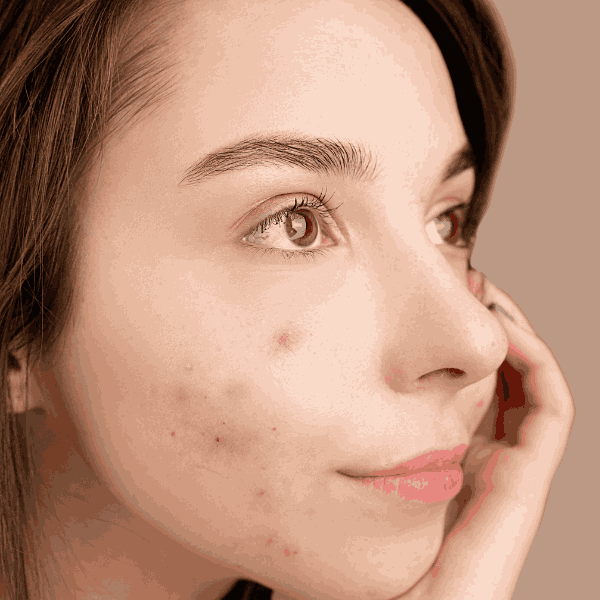
Why Is My Acne Coming Back Again? Dermatologist-Explained Reasons & Solutions
You finally get your acne under control, your skin starts to clear, and then—just when you think the problem is over—it comes back. For many people, recurring acne feels frustrating and confusing, especially after following skincare routines or treatments that once worked.
If you’re wondering why your acne keeps coming back again, the answer is simple but important to understand: acne is a chronic condition, not a one-time issue. It is influenced by hormones, lifestyle, genetics, stress, and ongoing skin care habits. Without consistent management, flare-ups can return even after your skin appears clear.
So, Why Is My Acne Coming Back Again?
Acne comes back because the root causes are still active beneath the surface. Hormonal fluctuations, stress, incomplete treatment, unsuitable skincare products, and lifestyle factors can all trigger new breakouts. Even when pimples disappear temporarily, acne can resurface if the underlying causes are not properly addressed.
Understanding Acne as a Chronic Skin Condition
Many people treat acne like a short-term infection—take medication, clear the skin, and stop treatment. However, acne behaves more like conditions such as asthma or diabetes, where long-term control is often needed.
Your oil glands, hormones, and skin’s inflammatory response continue to function daily. When these systems become unbalanced again, acne returns. This is why dermatologists focus on maintenance treatment, not just quick fixes.
Common Reasons for Recurring Acne
Hormonal Fluctuations
Hormones play one of the biggest roles in recurring acne. Changes during menstrual cycles, pregnancy, menopause, or conditions like PCOS can increase androgen levels. These hormones stimulate oil (sebum) production, which clogs pores and feeds acne-causing bacteria.
Stress also affects hormones. High stress raises cortisol levels, which indirectly increases oil production and inflammation, leading to breakouts—even in adults who never had acne before.
Inconsistent or Incomplete Treatment
Stopping acne treatment too early is a very common reason for acne returning. When medications like retinoids or antibiotics are discontinued as soon as the skin looks better, acne-causing bacteria and clogged pores slowly build up again.
Acne treatments often take weeks to work and require continued use to prevent new breakouts. Without maintenance therapy, acne almost always comes back.
Using the Wrong Skincare Products
Many everyday skincare and makeup products can silently worsen acne. Heavy creams, oily sunscreens, or comedogenic cosmetics clog pores and trigger breakouts—even if your routine seems gentle.
Infrequent cleansing, over-exfoliation, or switching products too often can also disrupt the skin barrier, making acne more likely to return.
Stress, Sleep, and Lifestyle Habits
Stress doesn’t just affect your mind—it directly impacts your skin. Chronic stress increases inflammation and oil production, creating the perfect environment for acne.
Poor sleep, lack of physical activity, and unhealthy diets high in sugar or processed foods can further aggravate acne. These factors may not cause acne alone, but they often trigger flare-ups in acne-prone individuals.
Genetic Predisposition
If acne runs in your family, you may be more prone to recurring breakouts. Genetics influence oil gland size, skin sensitivity, and inflammatory response, all of which affect how acne behaves over time.
People with a genetic tendency often need long-term acne management rather than short courses of treatment.
Contact Irritation and Poor Hygiene Habits
Small daily habits can contribute to recurring acne without you realizing it. Dirty pillowcases, unclean makeup brushes, frequent face touching, and mobile phones pressing against the skin transfer bacteria and oil to pores.
Harsh skincare tools or frequent scrubbing can also irritate the skin and worsen acne instead of improving it.
Underlying Medical Conditions
Sometimes, acne keeps coming back because of an underlying health issue. Conditions such as PCOS, thyroid disorders, or gut imbalances can affect hormones and inflammation levels, making acne harder to control without medical evaluation.
Why Acne Often Comes Back in the Same Spot?
Recurring acne in the same area is usually linked to:
- Hormonal activity in that region
- Deep, untreated inflammation
- Repeated irritation or pressure (helmets, masks, phones)
Until the deeper cause is addressed, the same pore can keep getting clogged again and again.
What to Do If Your Acne Keeps Coming Back?
Be Consistent With Treatment
Consistency is the most important factor in controlling acne. Follow a dermatologist-recommended routine even when your skin improves. Maintenance treatments help prevent new breakouts before they appear.
Identify and Avoid Your Triggers
Pay attention to patterns. Acne flare-ups often coincide with stress, poor sleep, dietary changes, or hormonal shifts. Identifying triggers helps you manage acne more effectively.
Use the Right Products for Acne-Prone Skin
Choose skincare and makeup labeled oil-free and non-comedogenic. Ingredients commonly recommended by dermatologists include:
- Retinoids to unclog pores
- Anti-inflammatory ingredients to calm the skin
- Gentle cleansers that do not strip natural oils
Avoid experimenting too frequently with new products.
Manage Stress and Improve Lifestyle Habits
Adequate sleep, regular exercise, and stress-reduction techniques such as meditation or mindfulness can significantly improve acne control. Healthy habits support hormone balance and reduce inflammation in the body.
See a Dermatologist for Persistent Acne
If acne continues to return despite proper skincare, professional help is essential. A dermatologist can identify underlying causes and prescribe targeted treatments such as oral medications, hormonal therapy, or advanced procedures tailored to your skin type.
Frequently Asked Questions
Why does my acne keep coming back even after treatment?
Because acne is a chronic condition. If treatment is stopped too early or triggers remain, acne can return.
Can stress alone cause acne to come back?
Stress doesn’t directly cause acne, but it increases hormones and inflammation that can trigger flare-ups.
How long should acne treatment continue?
Acne treatment usually requires long-term maintenance. Your dermatologist will guide you on when and how to adjust therapy.
Is adult acne common?
Yes. Hormonal changes, stress, and lifestyle factors make adult acne increasingly common, especially in women.
Can diet affect recurring acne?
Diet may influence acne in some people, particularly foods high in sugar or refined carbohydrates.
Dermatologist’s Perspective
Dermatologists view acne as a condition that requires patience, consistency, and individualized care. Treating visible pimples alone is not enough—long-term control focuses on preventing new breakouts and addressing internal triggers. With the right guidance, recurring acne can be effectively managed.
Conclusion
If your acne keeps coming back again, it doesn’t mean you’re doing something wrong—it means your skin needs consistent, long-term care. Hormones, stress, genetics, lifestyle habits, and incomplete treatment all play a role in recurring acne. By understanding these factors and working closely with a dermatologist in Roorkee, you can control breakouts and maintain clearer, healthier skin over time.