
Laser hair reduction has become one of the most preferred cosmetic treatments for people who want a long-term solution for unwanted hair.
Shaving, waxing, and hair removal creams provide temporary results and often cause skin irritation, ingrown hair, and repeated maintenance.
Laser technology, on the other hand, targets hair follicles directly and gradually reduces hair growth over time.
However, many people are confused about which laser technology actually works best. With several types of lasers available in dermatology clinics today, understanding the differences is important before choosing a treatment.
This comparison guide explains the most commonly used laser technologies, how they differ, and which one may work best depending on skin type and hair characteristics.
Why Laser Hair Reduction Has Become So Popular?
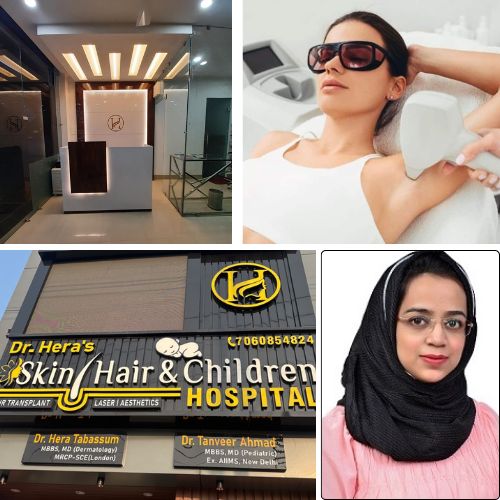
Laser hair reduction is widely preferred because it offers long-lasting results compared to traditional hair removal methods. Instead of cutting or pulling hair from the surface, laser technology works by damaging the hair follicle beneath the skin.
The process slows down future hair growth and makes new hair thinner and lighter.
Key benefits include:
- Long-term hair reduction
- Smoother skin texture
- Fewer ingrown hairs
- Reduced need for frequent hair removal
- Precise targeting of hair follicles
Although it is called “permanent hair removal,” the procedure is technically permanent hair reduction, meaning hair growth becomes minimal and manageable after several sessions.
Main Types of Lasers Used for Hair Reduction
Different laser technologies are designed to work with different skin tones and hair types. The three most widely used systems in dermatology clinics include Alexandrite, Diode, and Nd:YAG lasers.
Understanding these technologies can help you choose the most suitable treatment option.
Alexandrite Laser
The Alexandrite laser is known for its speed and efficiency. It uses a shorter wavelength that targets melanin in hair follicles very effectively.
Advantages
- Fast treatment sessions
- Effective for large body areas
- High success rate for dark hair
This technology is particularly effective for individuals with light to olive skin tones and darker hair.
Limitations
Because Alexandrite lasers strongly target melanin, they may not be the safest option for people with darker skin tones. In such cases, the risk of pigmentation changes can be higher if the treatment is not performed carefully.
Diode Laser
Diode laser technology is one of the most widely used systems in modern dermatology clinics.
Benefits
- Suitable for a wide range of skin types
- Deep penetration into hair follicles
- Effective for coarse and thick hair
- Comfortable treatment sessions
Diode lasers are often preferred because they balance safety and effectiveness, making them a versatile option for many patients.
Drawbacks
Very fine or light-colored hair may respond more slowly to this laser since it contains less melanin for the laser to target.
Nd:YAG Laser
The Nd:YAG laser uses a longer wavelength compared to other laser technologies. This allows the laser energy to penetrate deeper into the skin without strongly affecting the surface pigment.
Advantages
- Safer for darker skin tones
- Lower risk of pigmentation issues
- Suitable for thicker hair
Because of these properties, Nd:YAG lasers are commonly recommended for people with medium to dark skin tones.
Limitations
The main disadvantage is that more treatment sessions may be required to achieve optimal hair reduction results.
IPL vs Laser: A Common Confusion
Many people think IPL (Intense Pulsed Light) is the same as laser hair removal, but the technologies are different.
IPL devices emit multiple wavelengths of light, while lasers use a single focused wavelength designed specifically to target hair follicles.
IPL Characteristics
- Less precise than laser systems
- Often used in beauty salons
- Usually requires more sessions
Laser Technology
- Medical-grade equipment
- Precise targeting of follicles
- Longer-lasting results
For safe and effective treatment, many dermatology clinics recommend professional laser systems rather than IPL devices.
Factors That Decide Which Laser Is Best
There is no single laser that works best for everyone. The ideal choice depends on several personal factors.
Skin Tone
Different lasers interact with skin pigment differently. Selecting the wrong technology can increase the risk of burns or pigmentation.
Hair Color
Laser works best on darker hair because it contains more melanin. Blonde, grey, or red hair may respond more slowly.
Treatment Area
Hair growth patterns differ across body areas such as:
- Face
- Underarms
- Bikini line
- Legs
- Back or chest
Each area may require slightly different treatment parameters.
Medical Expertise
Choosing the right laser also depends on the experience of the dermatologist performing the procedure. Consulting a qualified Dermatologist In Roorkee can help determine the safest and most effective treatment option based on individual skin type.
What Happens During a Laser Hair Reduction Session?
A typical laser hair reduction session is quick and straightforward.
The procedure usually involves:
- Cleaning the treatment area
- Shaving the hair before treatment
- Applying protective eyewear
- Delivering controlled laser pulses to the skin
Most patients feel a mild snapping or warm sensation during the procedure. Modern devices often include cooling systems that make the treatment more comfortable.
After the session, slight redness may occur but usually fades within a few hours.
How Many Sessions Are Required?
Laser hair reduction works best when performed in multiple sessions because hair grows in cycles.
Most patients require:
- 6 to 8 sessions initially
- Maintenance sessions occasionally
The exact number depends on hair thickness, hormonal factors, and the treatment area.
Final Comparison: Which Laser Is Best?
When comparing different technologies, each laser offers unique advantages depending on the patient.
- Alexandrite Laser – Best for fair skin with dark hair
- Diode Laser – Suitable for many skin types and coarse hair
- Nd:YAG Laser – Safest for darker skin tones
Rather than focusing on a single “best” laser, the most important factor is selecting a treatment that matches your skin type and hair characteristics.
Consulting an experienced dermatologist ensures that the correct technology is used safely and effectively.
With the right approach and proper treatment plan, laser hair reduction can deliver smoother skin, reduced hair growth, and long-lasting confidence.