
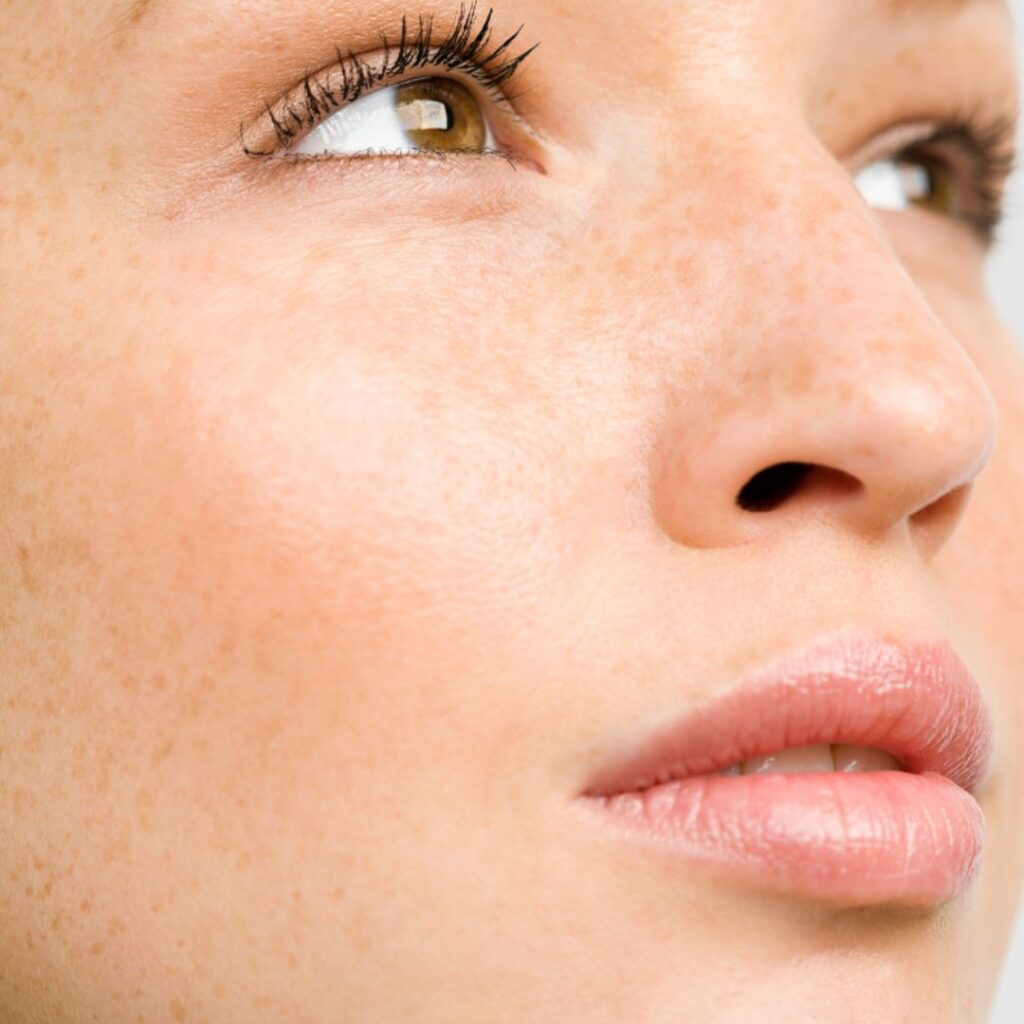
Pigmentation is a common skin concern that affects people of all ages and skin types. It refers to the darkening or discoloration of certain areas of the skin due to the overproduction of melanin — the pigment responsible for skin, hair, and eye color. While pigmentation is usually harmless, it can affect one’s confidence and overall appearance.
Fortunately, with advancements in dermatology, there are several highly effective treatments available to reduce or completely remove pigmentation. Consulting a Dermatologist in Roorkee or a Skin Specialist in Roorkee is the first step toward achieving clearer, more even-toned skin.
Understanding Pigmentation and Its Causes
Before exploring the best treatments, it’s important to understand why pigmentation occurs. The most common types include:
- Melasma: Often triggered by hormonal changes, such as pregnancy or oral contraceptives, leading to dark patches on the face.
- Sunspots (Solar Lentigines): Caused by prolonged sun exposure, these are common on the face, hands, and other exposed areas.
- Post-Inflammatory Hyperpigmentation (PIH): Occurs after skin injuries, acne, or inflammation.
- Freckles: Small brown spots that become more visible with sun exposure.
Several factors contribute to pigmentation, including genetics, sun damage, hormonal fluctuations, and skin trauma. Identifying the root cause with the help of a Skin Specialist in Roorkee is crucial for choosing the most effective treatment.
Best Treatments to Remove Pigmentation
There isn’t a one-size-fits-all solution for pigmentation. The most suitable treatment depends on the type, severity, and underlying cause of the pigmentation. Below are the most effective and dermatologist-recommended options:
Topical Treatments and Medical Creams
For mild pigmentation, topical creams are often the first line of treatment. These contain ingredients that help lighten dark spots and regulate melanin production. Common options include:
- Hydroquinone: A powerful skin-lightening agent used under medical supervision.
- Retinoids (Vitamin A): Promote cell turnover, helping fade pigmentation over time.
- Vitamin C: An antioxidant that brightens the skin and reduces melanin production.
- Azelaic Acid and Kojic Acid: Gentle yet effective options for sensitive skin.
While these treatments are widely available, they should always be used under the guidance of a Dermatologist in Roorkee to prevent side effects and ensure visible results.
Chemical Peels
Chemical peels are one of the most popular professional treatments for pigmentation. They involve applying a chemical solution to the skin, which exfoliates the top layers and encourages new, healthier skin to form.
- Glycolic Acid Peels: Effective for mild pigmentation and uneven skin tone.
- TCA Peels (Trichloroacetic Acid): Penetrate deeper layers for more stubborn pigmentation.
- Lactic Acid Peels: Suitable for sensitive skin and mild discoloration.
Chemical peels not only reduce pigmentation but also improve overall skin texture, making the complexion smoother and brighter.
Laser Treatments
Laser therapy is considered one of the most effective treatments for deeper and more stubborn pigmentation. It works by targeting and breaking down the excess melanin in the skin without damaging the surrounding tissue.
- Q-switched Nd:YAG Laser: Excellent for treating melasma, sunspots, and freckles.
- Fractional Laser: Stimulates collagen production while addressing pigmentation and improving skin texture.
Laser treatments require multiple sessions for optimal results, but they offer significant and long-lasting improvement. Consulting a Skin Specialist in Roorkee ensures that the right type of laser is chosen based on your skin type and pigmentation severity.
Microneedling with Serums or PRP
Microneedling is a minimally invasive procedure that involves using fine needles to create micro-injuries in the skin. This process boosts collagen production and allows targeted serums or Platelet-Rich Plasma (PRP) to penetrate deeper into the skin, effectively treating pigmentation from within.
This treatment is particularly beneficial for post-inflammatory hyperpigmentation and acne scars, giving the skin a more even tone and smoother appearance.
Intense Pulsed Light (IPL) Therapy
IPL therapy uses light energy to target pigmented cells, causing them to break down and fade over time. It’s a non-invasive treatment suitable for sunspots, freckles, and age spots. IPL also improves skin texture and reduces redness, offering a comprehensive solution for various skin concerns.
Preventing Pigmentation Recurrence
While treatments can effectively remove pigmentation, prevention is equally important to maintain results. Dermatologists recommend the following steps:
- Always use a broad-spectrum sunscreen with SPF 30 or higher.
- Wear protective clothing and hats when outdoors.
- Incorporate antioxidant-rich skincare products.
- Avoid picking at acne or skin lesions.
Regular follow-ups with a Dermatologist in Roorkee will help monitor progress and adjust treatments if necessary.
Final Thoughts
Pigmentation can be stubborn, but with the right approach and expert care, achieving clear, radiant skin is possible. From topical creams and chemical peels to advanced laser treatments, there are multiple effective solutions to address different types of pigmentation.
The key is to consult an experienced Skin Specialist in Roorkee who can assess your skin type, determine the root cause, and tailor a treatment plan that delivers visible and lasting results.
Say goodbye to uneven skin tone — with the right treatment, you can restore your skin’s natural glow and confidence.