
Many people choose mole removal for cosmetic reasons or because a mole causes irritation. Laser mole removal has become a preferred option because it is quick, precise, and usually leaves minimal marks on the skin. However, after undergoing the procedure, one common concern patients have is whether a mole can grow back after laser removal.
The reality is that in some situations, a mole may return after treatment. This does not necessarily mean something went wrong. Skin biology, mole depth, and the removal method all play a role in whether regrowth occurs.
In this detailed guide, we will explain how laser mole removal works, why some moles return, what signs you should watch for, and how to manage or prevent regrowth.
Why Do People Choose Laser Mole Removal?
Moles are natural skin growths formed by clusters of pigment-producing cells known as melanocytes.
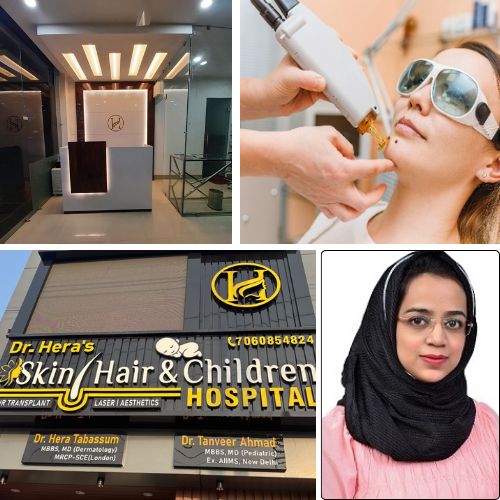
While most moles are harmless, people often choose to remove them for several reasons:
- Cosmetic appearance
- Discomfort due to rubbing against clothing
- Frequent irritation while shaving
- Changes in color, shape, or size
- Concern about possible skin disease
Laser removal is commonly recommended for small, non-cancerous moles, especially those that are flat or slightly raised.
Compared with surgical removal, laser treatment usually involves:
- Minimal bleeding
- Short procedure time
- Faster healing
- Reduced scarring risk
Because of these advantages, laser mole removal is widely used in dermatology clinics.
How Laser Mole Removal Actually Works?
Laser technology works by sending concentrated light energy into the mole tissue. The pigment in the mole absorbs this light, which breaks down the melanocyte cells.
The body then gradually removes these damaged cells through natural healing and skin regeneration.
A typical procedure involves:
- Cleaning the skin and preparing the treatment area
- Applying numbing cream if needed
- Using laser pulses to target the mole pigment
- Cooling or soothing the skin afterward
The procedure generally takes 10–30 minutes depending on the mole size.
Can a Mole Grow Back After Laser Removal?
Yes, mole regrowth can happen in certain cases, although it is not extremely common.
Laser treatment mainly destroys pigment cells on the surface or in the upper skin layers. If some mole cells remain deeper in the skin, they may slowly produce pigment again.
When this occurs, the mole may:
- Reappear as a lighter spot
- Grow back smaller than before
- Show mild pigmentation in the treated area
In many cases, the regrown mole is less noticeable and easier to treat again.
Common Reasons Why a Mole May Return
Several biological and treatment-related factors can influence whether a mole regrows.
Depth of the Mole
Some moles extend deeper into the skin layers. Laser energy may not reach every pigment cell in deeper tissues.
Partial Removal
If the mole was only partially destroyed, remaining melanocytes may regenerate pigment over time.
Individual Skin Healing
Skin cells regenerate differently in every person. Some individuals naturally have more active pigment cells.
Hormonal or Genetic Factors
Hormonal changes and genetic skin characteristics can sometimes trigger pigmentation changes in previously treated areas.
Signs That a Mole Might Be Growing Back
After laser removal, the treated skin usually heals within a few weeks. However, you should observe the area for any unusual changes.
Possible signs of mole regrowth include:
- Small dark spot appearing again
- Gradual pigmentation in the treated area
- Slight bump forming where the mole was removed
These signs do not always indicate a serious issue, but professional evaluation is recommended if they persist.
When Should You Be Concerned?
Most recurring moles are harmless. However, it is important to watch for certain warning signs.
Dermatologists often recommend monitoring the ABCDE rule for mole changes:
- Asymmetry – one half does not match the other
- Border irregularity – uneven edges
- Color variation – different shades within the mole
- Diameter increase – larger than typical size
- Evolution – rapid change over time
If any of these symptoms appear, consulting a qualified Dermatologist In Roorkee can help rule out serious skin conditions and ensure proper treatment.
What Happens If a Mole Comes Back?
If a mole regrows after laser treatment, it can still be treated effectively.
Common solutions include:
Repeat Laser Treatment
For superficial moles, another laser session may completely remove remaining pigment cells.
Surgical Removal
For deeper or repeatedly recurring moles, dermatologists may recommend excision, which removes the mole completely along with deeper cells.
Skin Examination or Biopsy
If the mole looks unusual, doctors may perform a biopsy to examine the tissue more closely.
Early evaluation ensures safe treatment and reduces unnecessary worry.
Healing and Skin Care After Laser Mole Removal
Proper aftercare plays a major role in how well your skin heals and how likely regrowth is.
Recommended aftercare practices include:
- Keeping the treated area clean and dry
- Avoiding direct sun exposure for several weeks
- Using dermatologist-recommended healing creams
- Avoiding scratching or picking the treated area
Sun protection is especially important because UV exposure can stimulate pigment cells and affect healing.
How Long Does It Take to See Final Results?
The healing process usually follows a predictable pattern.
First few days: Mild redness or swelling may appear.
First week: A small scab forms and gradually falls off.
Two to four weeks: New skin forms in the treated area.
One to three months: Skin tone becomes more even and natural.
If pigmentation appears again after several months, it may indicate mole regrowth rather than normal healing.
Expert Skin Care at Dr Hera’s Skin & Hair Clinic
Professional evaluation is essential when considering mole removal or managing skin changes after treatment. Dr Hera’s Skin & Hair Clinic focuses on advanced dermatology care designed to address a wide range of skin and hair concerns.
The clinic provides personalized consultations before recommending any cosmetic or medical skin procedure. By evaluating mole characteristics, skin type, and medical history, treatment plans are carefully tailored for each patient.
Modern dermatology techniques and safe medical protocols are used to ensure both effective results and patient safety. The clinic also offers treatment for acne, pigmentation disorders, hair loss, and skin rejuvenation.
Patients benefit from an approach that prioritizes accurate diagnosis, safe procedures, and long-term skin health rather than quick cosmetic fixes.
Address: Dr Hera’s Skin & Hair Clinic, near Bank of India, Malviya chowk, Roorkee, Uttarakhand 247667
Phone: 070608 54824
Email: dr.heraskinandhairclinic@gmail.com
Final Thoughts
Laser mole removal is a safe and commonly used procedure for removing benign moles. While there is a possibility that a mole can regrow after treatment, it usually occurs when pigment cells remain in deeper skin layers.
Most regrown moles are harmless and can be treated again if necessary. Monitoring your skin regularly and seeking professional advice for any unusual changes ensures the best outcomes for your skin health.
With proper treatment and expert guidance, mole removal can provide both cosmetic improvement and peace of mind.