
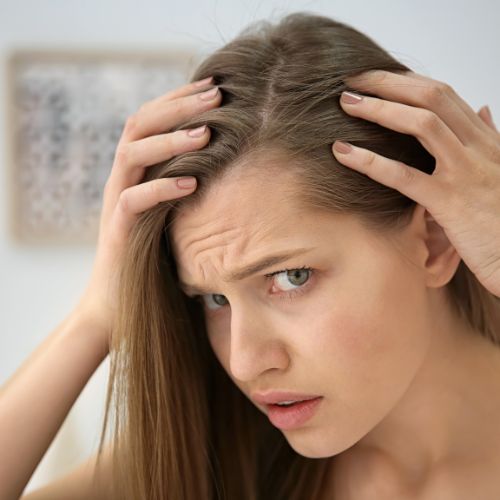
Stress isn’t just an emotional burden — it can also impact your physical health, including your hair. Many people notice sudden hair thinning or shedding during stressful life events. But is stress truly to blame? Let’s break down the science behind stress-related hair loss and what dermatologists have to say.
How Stress Affects Your Hair Growth Cycle
Hair grows in cycles — active growth (anagen), transitional (catagen), and resting (telogen). When you experience significant physical or emotional stress, your body releases high levels of cortisol. This stress hormone disrupts the normal hair cycle, pushing more follicles into the telogen phase. The result? Noticeable shedding a few months later.
Types of Stress-Related Hair Loss
1. Telogen Effluvium
One of the most common forms of stress-induced hair loss, telogen effluvium occurs when stress pushes a large number of follicles into the resting phase. After a few months, these hairs may fall out suddenly while combing or washing. The good news — it’s usually temporary, and hair often grows back once stress is managed.
2. Trichotillomania
A behavioral condition where a person has an uncontrollable urge to pull out hair from the scalp, eyebrows, or eyelashes. This is often a coping mechanism for stress, tension, or boredom.
3. Alopecia Areata
An autoimmune condition that can be triggered or worsened by severe stress. Here, the body’s immune system attacks hair follicles, leading to patchy bald spots.
Is Hair Loss from Stress Permanent?
In most cases, stress-related hair loss is reversible. Once the stressor is removed or managed, hair regrowth is possible within 3–6 months. However, if shedding persists or bald patches appear, it’s important to seek a dermatologist’s advice.
When to See a Dermatologist
If you notice:
- Sudden, severe hair loss
- Patchy bald spots
- Hair falling out in clumps
- Scalp irritation or redness
…it’s time to consult an expert. Dr Hera Tabassum is one of the top dermatologists in Roorkee, Uttarakhand, specializing in skin, hair, and nail disorders such as acne, fungal infections, eczema, hair loss, warts, and vitiligo. Her expertise and advanced treatments can help identify the root cause and create a personalized plan for hair regrowth.
Dermatologist-Recommended Treatments for Stress-Induced Hair Loss
- Medical evaluation to rule out nutritional deficiencies, thyroid disorders, or hormonal imbalances.
- Topical treatments like minoxidil to stimulate growth.
- Oral medications for autoimmune conditions.
- Nutritional support with vitamins and minerals like biotin, zinc, and iron.
- Advanced scalp therapies such as radio frequency microneedling to enhance hair follicle activity and improve scalp health.
How to Prevent Hair Loss Caused by Stress
- Practice relaxation techniques like meditation, yoga, or deep breathing.
- Maintain a balanced diet rich in proteins and antioxidants.
- Exercise regularly to improve blood circulation to the scalp.
- Get adequate sleep to allow the body to recover and repair.
- Avoid harsh styling treatments — for example, consider professional skin rejuvenation therapies that promote overall skin and scalp health without damage.
Bottom Line
Yes, stress can cause hair fall — but with the right diagnosis, care, and stress management, you can restore your hair’s health. If your hair loss is persistent or worsening, getting medical help early can improve recovery outcomes.