
How to 100% Get Rid of Dandruff? A Dermatologist Explains the Reality
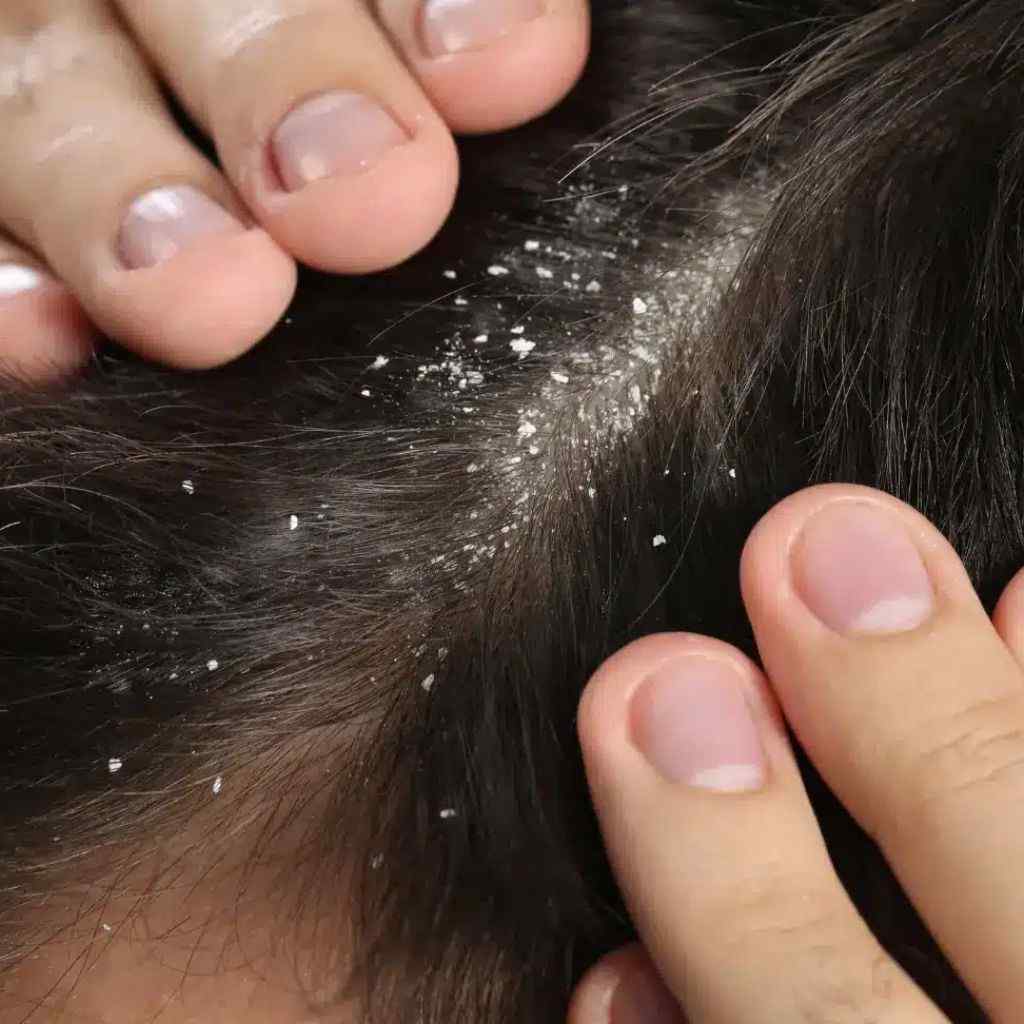
If you’ve ever worn a black shirt and suddenly noticed white flakes on your shoulders, you know how frustrating dandruff can be. Many of my patients come to me feeling embarrassed, irritated, and honestly tired of trying shampoo after shampoo without lasting results. The most common question I hear is very direct:
“Doctor, can dandruff be removed completely?”
As a dermatologist who treats scalp conditions daily, I want to answer this honestly—without false promises and without complicated medical jargon. Dandruff can be completely controlled in most people, and many achieve a long-lasting, flake-free scalp. However, for some individuals, dandruff behaves like a recurring skin condition that needs ongoing care rather than a one-time cure.
The good news is that when you understand why dandruff happens and treat it correctly, it stops controlling your life.
Understanding What Dandruff Really Is
Dandruff is not just “dry scalp,” and it’s definitely not a sign of poor hygiene. Medically, dandruff is usually linked to a condition called seborrheic dermatitis, which affects areas of the body where oil glands are active—especially the scalp.
Your scalp naturally has a yeast-like fungus called Malassezia. In some people, this fungus grows excessively and irritates the scalp. The skin responds by shedding cells faster than normal, which appears as visible flakes. Oil, sweat, stress, weather changes, and product buildup can all make this worse.
This is why dandruff can:
- Come and go
- Get worse in winters or humid weather
- Flare during stressful periods
- Improve temporarily, then return again
Understanding this cycle is the first step toward long-term control.
Can Dandruff Be Removed 100%?
This is where honesty matters.
If by “100% removal” you mean no flakes, no itching, no embarrassment, then yes—most people can achieve that. If by “100%” you mean dandruff will never return under any circumstance, then that’s not always realistic, especially for those with sensitive or oily scalps.
Dandruff behaves much like acne or eczema. It can stay silent for months or even years, but it may return if triggers are ignored. The goal of treatment is complete control, not temporary relief.
Why Most Dandruff Treatments Fail?
One major reason dandruff keeps coming back is incorrect treatment. Many people:
- Use anti-dandruff shampoo like regular shampoo
- Rinse it off too quickly
- Stop treatment as soon as flakes reduce
- Switch products every week
- Depend only on home remedies
Dandruff treatment is less about how many products you use and more about how consistently and correctly you use them.
The Right Way to Use Anti-Dandruff Shampoo
Medicated shampoos are the backbone of dandruff treatment. As a dermatologist, I don’t focus on brands—I focus on ingredients.
Shampoos containing ketoconazole, zinc pyrithione, salicylic acid, or coal tar work because they reduce fungal growth, inflammation, and excessive skin shedding.
However, how you use them matters more than which one you choose.
Apply the shampoo directly to your scalp, not just your hair. Massage gently and leave it on for at least three to five minutes before rinsing. This contact time allows the medication to work. Using it two to three times a week consistently for several weeks is usually enough to bring dandruff under control.
Stopping too early is one of the biggest mistakes I see.
Scalp Care Matters More Than You Think
Your scalp is skin, just like your face. It reacts badly to harsh treatment.
Scratching aggressively, using very hot water, or piling on multiple hair products can damage the scalp barrier. When that barrier is weak, dandruff worsens.
A healthy scalp routine includes regular washing, gentle massage with fingertips, and avoiding strong fragrances or alcohol-heavy products. If your scalp is oily, washing more frequently is actually helpful—oil feeds dandruff-causing fungus.
Do Natural Remedies Really Work?
Many patients ask me about coconut oil, aloe vera, neem, or tea tree oil. These remedies can help soothe mild dandruff, especially dryness and itching. However, they are not a replacement for medical treatment when dandruff is moderate or severe.
In fact, applying heavy oils to an active dandruff scalp can sometimes worsen flaking by trapping fungus. Natural remedies work best as support, not as the main treatment.
Lifestyle Factors That Trigger Dandruff
Dandruff doesn’t exist in isolation. I often notice flare-ups during periods of stress, lack of sleep, or poor diet. Stress affects your immune response and oil production, which directly impacts scalp health.
Nutritional deficiencies—especially zinc, B vitamins, and omega-3 fatty acids—can also make the scalp more prone to irritation and flaking.
Simple changes like improving sleep, managing stress, staying hydrated, and eating balanced meals often improve dandruff more than people expect.
When Dandruff Is Not Just Dandruff
If flakes extend to your eyebrows, ears, beard area, or sides of the nose, it’s often seborrheic dermatitis rather than simple dandruff. If the scalp becomes red, painful, or thickly scaly, psoriasis or eczema may be involved.
In these cases, over-the-counter shampoos are not enough. Medical evaluation is essential to avoid long-term scalp damage and hair fall.
Medical Treatment for Persistent Dandruff
For stubborn dandruff, dermatologists in Roorkee may prescribe stronger antifungal shampoos, medicated scalp lotions, or short courses of anti-inflammatory treatment. These calm the scalp and reset the skin cycle.
Once the dandruff is controlled, we usually move patients to a maintenance plan, such as using a medicated shampoo once weekly. This keeps flakes from returning without daily treatment.
Does Dandruff Cause Hair Fall?
This is a common fear—and a valid one. Dandruff itself does not directly cause permanent hair loss, but chronic itching and inflammation can weaken hair roots over time. Treating dandruff early protects both your scalp and hair health.
The Real Secret to Staying Dandruff-Free
There is no magic product. The real solution is understanding your scalp and maintaining it properly.
Patients who succeed long-term are the ones who:
- Treat dandruff consistently
- Avoid harsh experiments
- Follow a simple maintenance routine
- Address stress and lifestyle triggers
- Seek medical advice when needed
With this approach, dandruff stops being a recurring problem and becomes something you rarely think about.
Final Words from a Dermatologist
If you are dealing with dandruff, you are not alone—and you are not doing anything wrong. Dandruff is common, manageable, and treatable when approached correctly.
While it may not always be “cured forever” in a medical sense, it can absolutely be controlled to the point where it no longer affects your confidence or daily life.
And that, in real terms, is what most people truly want.