
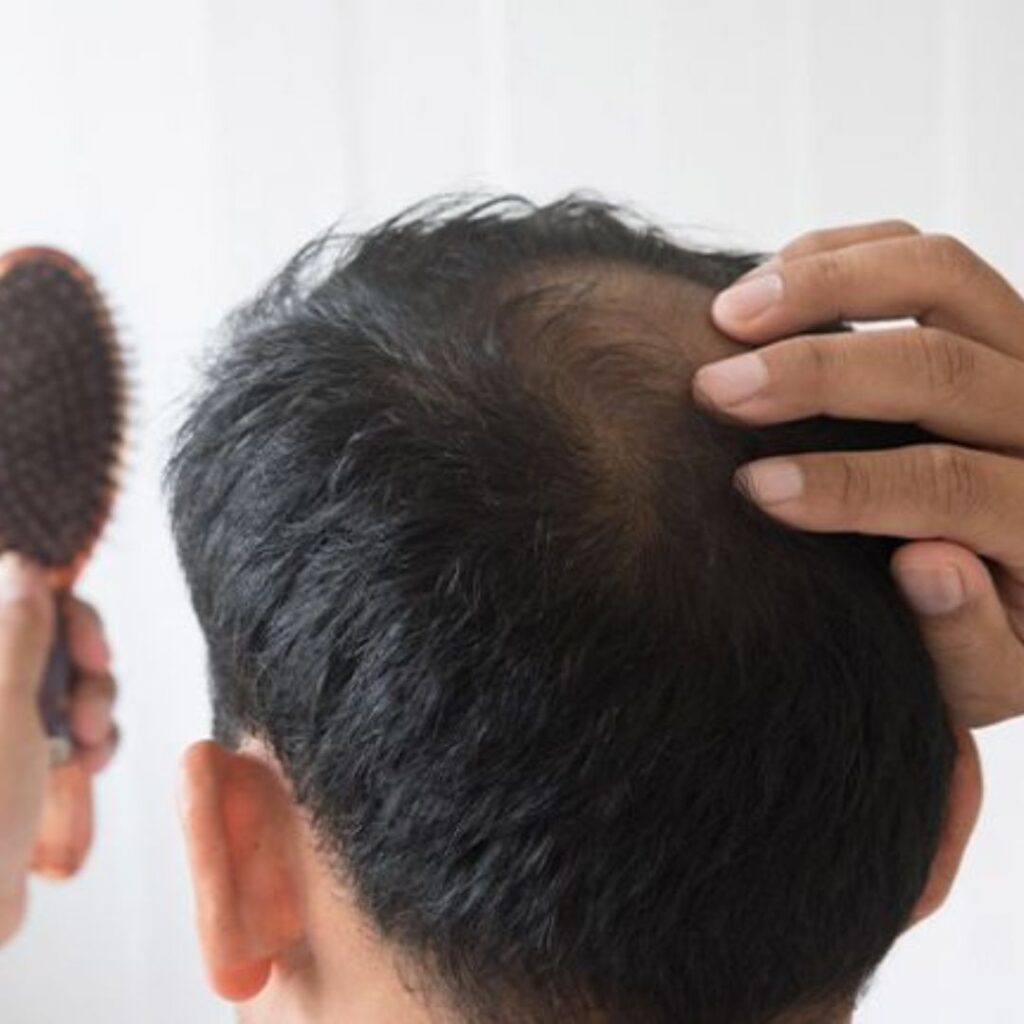
Hair loss in men is a common concern, affecting confidence, appearance, and overall self-esteem.
From receding hairlines to thinning crowns, male pattern baldness (androgenetic alopecia) is something millions of men experience—especially as they age.
But the good news is that hair loss can be managed and, in many cases, reversed with the right approach.
This blog explores how to stop hair loss in men and encourages natural regrowth methods, while also highlighting when it’s best to consult a Dermatologist in Roorkee for expert advice.
Understanding the Causes of Hair Loss in Men
Before tackling hair loss, it’s important to understand the root causes. The most common factors include:
- Genetics: Male pattern baldness is hereditary and the most frequent cause of hair loss.
- Hormonal Changes: DHT (dihydrotestosterone), a male hormone, can shrink hair follicles and shorten the growth cycle.
- Stress: Physical or emotional stress can trigger temporary hair loss known as telogen effluvium.
- Nutritional Deficiencies: Lack of iron, protein, or vitamins like D and B12 may impact hair health.
- Poor Hair Care Habits: Overstyling, use of harsh shampoos, or infrequent washing can weaken hair over time.
Understanding these factors helps determine the right course of action for regrowth and prevention.
1. Eat a Hair-Healthy Diet
One of the most natural ways to stop hair loss is through proper nutrition. A diet rich in the following nutrients can support stronger, healthier hair:
- Protein: Hair is made of keratin, a protein. Include eggs, fish, and pulses in your diet.
- Iron: Found in leafy greens and lean meats, iron improves blood flow to hair follicles.
- Biotin and Vitamin B Complex: These support hair strength and thickness.
- Omega-3 Fatty Acids: Found in walnuts and fish, they help nourish hair shafts.
If you’re unsure your diet meets your hair health needs, a Skin Specialist in Roorkee can guide you with tailored nutritional advice and supplementation if required.
2. Use Gentle Hair Products
Men often use harsh shampoos or styling gels that strip natural oils from the scalp. Opt for mild, sulfate-free shampoos and avoid excessive use of hair sprays, waxes, or heat tools. Washing hair 2–3 times a week with lukewarm water is ideal. Look for products enriched with ingredients like:
- Saw palmetto
- Aloe vera
- Tea tree oil
- Caffeine-based formulas
These ingredients can help soothe the scalp, reduce inflammation, and support healthy follicles.
3. Massage Your Scalp
Scalp massages are a simple but effective way to boost circulation and stimulate hair follicles. Massaging with natural oils such as coconut, castor, or rosemary oil for 5–10 minutes a few times a week can improve nutrient absorption and promote hair regrowth.
You can also use essential oils like peppermint or lavender mixed with carrier oils to enhance benefits.
4. Reduce Stress
Chronic stress is a silent trigger of hair loss. Incorporating stress-reducing practices like meditation, exercise, proper sleep, and hobbies can make a significant difference.
Men who undergo high-pressure jobs or emotional distress may notice increased shedding, which can be reversed with better stress management.
5. Avoid Tight Hairstyles and Rough Towel Drying
Pulling hair tightly into ponytails, buns, or using tight caps can cause traction alopecia. Likewise, rubbing wet hair with a towel can break strands. Instead, gently pat hair dry and use wide-tooth combs to avoid pulling.
6. Try Natural Home Remedies
While results vary, some natural remedies have shown positive effects on hair regrowth in men:
- Onion Juice: High in sulfur, it helps promote hair regeneration.
- Fenugreek Seeds: Soak overnight and grind into a paste to apply on the scalp.
- Green Tea Rinse: Contains antioxidants that may support follicle strength.
Always test a small patch before full application to avoid irritation.
7. Consult a Dermatologist in Roorkee
When natural remedies and lifestyle changes aren’t enough, it’s time to seek professional help. A Dermatologist in Roorkee can evaluate the exact cause of your hair loss, perform scalp analysis, and recommend clinical treatments such as:
- Topical Minoxidil or Finasteride Tablets
- Platelet-Rich Plasma (PRP) Therapy
- Laser Hair Therapy
- Hair Transplant Options
Early intervention from a certified Skin Specialist in Roorkee can help prevent irreversible damage and guide you toward safe, proven solutions.
Final Thoughts
Hair loss in men doesn’t have to be permanent. By understanding its causes and taking proactive steps like improving your diet, reducing stress, and using the right hair care practices, you can regain hair strength and density.
If your hair fall persists or worsens, visiting a Dermatologist in Roorkee is the best step forward.
With personalized treatment plans and professional support, healthy hair can be more than just a dream—it can be your reality.