
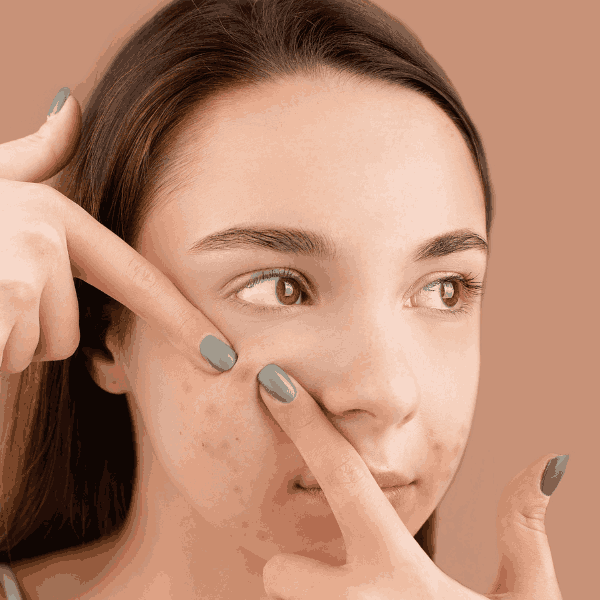
Is It Correct to Pop a Pimple? What Dermatologists Want You to Know
Almost everyone has faced this moment—you look in the mirror and notice a pimple that wasn’t there yesterday. Your first instinct is often to squeeze it and make it go away as quickly as possible. While it may feel like a harmless solution, dermatologists strongly advise against popping pimples on your own.
So, is it actually correct to pop a pimple? The honest answer is no, and understanding why can help you avoid long-term skin damage.
So, Is It Correct to Pop a Pimple?
No, popping a pimple yourself is generally not safe or recommended.
When you squeeze a pimple, you don’t just remove what’s visible on the surface. You often push bacteria, oil, and pus deeper into the skin. This can lead to more redness, infection, dark marks, and even permanent scarring. That’s why dermatologists suggest letting pimples heal naturally or getting them treated professionally.
Why Popping a Pimple Is Not Recommended
A pimple forms when a pore becomes blocked with oil, dead skin cells, and bacteria. Your skin reacts by becoming inflamed, which is why pimples look red and swollen. When you press or squeeze a pimple, the pressure damages the surrounding skin instead of helping it heal.
In many cases, the contents of the pimple are forced deeper into the pore rather than coming out completely. This makes inflammation worse and slows down recovery. On top of that, touching your face with unclean hands adds more bacteria, increasing the risk of complications.
Risks of Popping Pimples Yourself
Infection
Even clean-looking hands carry bacteria. When you pop a pimple, these bacteria can enter the open skin and cause infection. Infected pimples are usually more painful, swollen, and take much longer to heal.
Permanent Scarring
Scarring is one of the most common consequences of popping pimples. Squeezing damages the deeper layers of skin and interferes with collagen repair. This can result in permanent acne scars such as pits or uneven skin texture.
Dark Spots and Hyperpigmentation
After a pimple heals, it may leave behind a dark mark known as post-inflammatory hyperpigmentation. This is especially common in Indian and darker skin tones. These spots can last for months and are often harder to treat than the pimple itself.
Increased Redness and Swelling
Instead of shrinking the pimple, popping it often makes it look more noticeable. The area can become redder, more swollen, and more sensitive.
Delayed Healing
When the skin’s natural healing process is disturbed, recovery slows down. A pimple that could have healed in a few days may linger for weeks after being squeezed.
When (If Ever) Can a Pimple Be Popped?
Dermatologists generally recommend avoiding at-home popping altogether. However, some pimples may appear tempting to squeeze.
A pimple might look “ready” only if:
- It is a small, superficial whitehead
- The white tip is clearly visible
- There is no deep pain or swelling
Even in these cases, popping is still risky and not advised. Deep, painful, cystic, or nodular pimples should never be popped, as they almost always lead to scarring or infection.
How Dermatologists Pop Pimples Safely?
When a pimple truly needs to be extracted, it should be done by a trained dermatologist in Roorkee. Professionals work in a sterile environment and use medical tools designed specifically for safe extraction.
Dermatological extraction includes:
- Proper cleansing and preparation of the skin
- Use of sterile instruments such as come done extractors
- Gentle, controlled pressure
- Minimal trauma to surrounding skin
This approach greatly reduces the chances of scarring and infection compared to home attempts.
What to Do Instead of Popping a Pimple?
Let It Heal Naturally
Most pimples resolve on their own if left alone. Avoid touching or picking at them, as this gives your skin time to repair itself properly.
Use Dermatologist-Recommended Spot Treatments
Certain ingredients can help pimples heal faster without causing damage. Commonly recommended options include:
- Salicylic acid, which helps unclog pores
- Benzoyl peroxide, which reduces acne-causing bacteria
Apply these treatments only to the affected area to prevent irritation.
Apply a Warm Compress
A clean, warm cloth placed on the pimple for a few minutes can help reduce discomfort and encourage natural drainage without squeezing.
Use Pimple Patches
Hydrocolloid pimple patches protect the area from bacteria and prevent you from touching it. They also absorb excess oil and fluid, supporting faster healing.
Consult a Dermatologist
If pimples are frequent, painful, or leaving marks, professional care is essential. A dermatologist can identify the cause of acne and recommend personalized treatments to prevent future breakouts.
Types of Pimples You Should Never Pop
Some pimples are especially risky to touch or squeeze, including:
- Cystic acne
- Nodular acne
- Painful red bumps without a visible whitehead
- Pimples around the nose and mouth
Popping these can cause serious skin damage and long-lasting scars.
Frequently Asked Questions
Is it better to pop a pimple or let it heal?
Letting a pimple heal naturally is always the safer option. Popping increases the risk of scarring and infection.
Can popping a pimple cause scars?
Yes. Popping damages deeper skin layers and is a major cause of permanent acne scars.
Does popping a pimple spread acne?
It can. Bacteria and pus can spread to nearby pores, leading to more breakouts.
Is there any safe way to pop a pimple?
There is no completely safe method to pop a pimple at home. Safe extraction should only be done by a dermatologist.
What should I do if I accidentally popped a pimple?
Clean the area gently, avoid touching it again, and watch for signs of infection. If redness or pain worsens, consult a dermatologist.
Dermatologist’s Advice
From a dermatologist’s perspective, patience and proper treatment are far better than quick fixes. Popping pimples may feel satisfying, but it often leads to scars and pigmentation that are much harder to treat later. Early care and professional guidance help maintain clear, healthy skin.
Conclusion
Although popping a pimple might seem like an easy solution, it often causes more harm than good. The safest way to handle acne is through gentle skincare, targeted treatments, and timely dermatological care. When it comes to your skin, resisting the urge to squeeze can make all the difference in the long run.