
Melasma is a common skin condition characterized by dark, irregular patches, usually appearing on the face. While it is harmless medically, it can significantly affect confidence and self-esteem. Over the years, treatments have evolved, and one method that often comes up is Q-Switch laser therapy. But how effective is it, and is it suitable for everyone? This blog explores Q-Switch laser treatment for melasma, its benefits, limitations, and professional guidance for safe usage.
Understanding Melasma
Melasma develops when melanocytes—the cells responsible for pigment production—become overactive. Factors contributing to melasma include:
- Sun Exposure: Ultraviolet rays trigger melanocyte activity, worsening pigmentation.
- Hormonal Changes: Pregnancy, contraceptives, or hormone therapies can cause melasma flare-ups.
- Genetics: Family history increases susceptibility.
- Skin Type: Darker skin tones are often more prone to hyperpigmentation.
The irregular patches are typically brown or grayish-brown and mostly appear on the forehead, cheeks, nose, and upper lip. Understanding triggers is essential for effective treatment and prevention.
What is Q-Switch Laser?
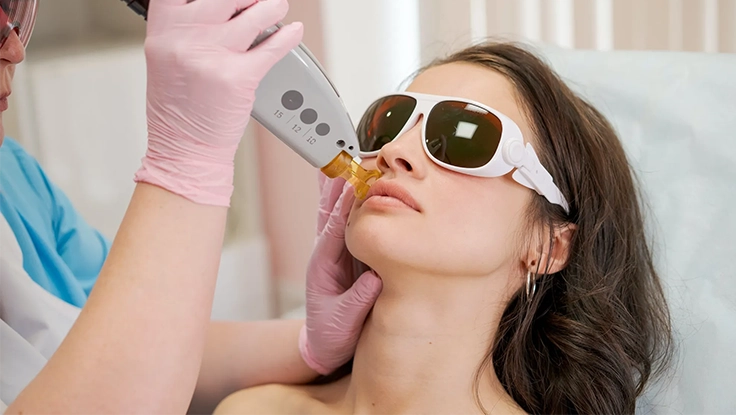
Q-Switch laser is a high-intensity, short-pulsed laser designed to target pigmented lesions. It delivers energy in nanoseconds, breaking down melanin deposits without significantly damaging surrounding tissue. Initially used for tattoo removal, Q-Switch lasers have been adapted for treating various pigment-related concerns, including melasma.
Key characteristics include:
- Precision: Targets melanin specifically.
- Minimal Damage: Spares surrounding skin tissue.
- Short Pulses: Reduces heat accumulation, lowering risk of burns.
However, its effectiveness for melasma differs from other pigmented lesions because melasma involves deeper and more complex pigment patterns.
How Q-Switch Laser Works for Melasma
The Q-Switch laser works by:
- Targeting Melanin: Laser energy is absorbed by melanin granules, fragmenting them into smaller particles.
- Promoting Clearance: Fragmented melanin is gradually eliminated through the lymphatic system.
- Stimulating Skin Renewal: Mild thermal effect encourages collagen remodeling, improving skin texture.
Patients typically notice gradual lightening of pigmented areas over multiple sessions. The number of sessions depends on severity, skin type, and response to treatment.
Effectiveness of Q-Switch Laser for Melasma
While Q-Switch laser can show visible improvement in melasma, results vary due to several factors:
- Depth of Pigmentation: Superficial melasma responds better than deeper dermal melasma.
- Skin Type: Darker skin tones (Fitzpatrick IV-VI) may have a higher risk of post-inflammatory hyperpigmentation after laser treatment.
- Maintenance: Melasma is often chronic; relapse is common without proper sun protection and skincare.
Research and dermatological studies suggest that Q-Switch laser is moderately effective but is rarely a standalone solution. Combining laser therapy with topical treatments like hydroquinone, vitamin C serums, or chemical peels often yields better outcomes.
Advantages of Q-Switch Laser for Melasma
Some of the notable benefits include:
- Precision Targeting: Can focus on pigmented spots without affecting nearby skin.
- Non-Invasive: No incisions or injections required.
- Minimal Downtime: Most patients resume daily activities shortly after treatment.
However, it is crucial to manage expectations, as Q-Switch lasers may not completely eliminate melasma permanently, and repeated sessions are often required.
Limitations and Risks
Despite its benefits, Q-Switch laser therapy has limitations and potential side effects:
- Temporary Pigment Darkening: Some patients experience initial darkening before lightening occurs.
- Relapse Risk: Melasma can return, especially with sun exposure or hormonal changes.
- Skin Irritation: Redness, mild swelling, or temporary discomfort may occur post-treatment.
- Post-Inflammatory Hyperpigmentation (PIH): More common in darker skin types if not properly managed.
Professional evaluation is essential to minimize risks. Overuse or aggressive laser settings can worsen pigmentation or cause uneven skin tone.
Who Should Consider Q-Switch Laser?
Q-Switch laser may be suitable for individuals who:
- Have persistent melasma unresponsive to topical treatments.
- Desire faster improvement compared to creams alone.
- Have lighter to medium skin tones that are less prone to post-laser pigmentation.
Patients with very dark skin tones or sensitive skin should consult a Dermatologist In Roorkee to assess safety and explore alternative or combination treatments.
Complementary Treatments for Optimal Results
For long-lasting improvement, Q-Switch laser is often combined with:
- Topical Agents: Hydroquinone, tretinoin, azelaic acid, or vitamin C.
- Sunscreen: Broad-spectrum SPF 30+ to prevent melanin reactivation.
- Chemical Peels: Gentle peels can enhance skin renewal and lighten superficial pigmentation.
- Lifestyle Adjustments: Avoiding sun exposure, hormonal triggers, and certain medications.
A holistic approach ensures melasma management is both safe and effective, minimizing recurrence.
Recovery and Aftercare
After Q-Switch laser sessions, proper aftercare is crucial:
- Apply gentle moisturizers and prescribed topical agents.
- Avoid direct sunlight and use sunscreen diligently.
- Do not pick or scratch treated areas to prevent complications.
- Follow up with your dermatologist for monitoring and additional sessions if needed.
Recovery time is usually short, but adherence to post-care instructions greatly impacts results.
Professional Guidance Matters
Melasma is complex, and self-administered treatments or unmonitored laser therapy can worsen the condition. Consulting a Skin Specialist In Roorkee ensures:
- Accurate assessment of skin type and melasma depth.
- Customized treatment settings for maximum safety and efficacy.
- Integration of complementary treatments to prevent recurrence.
Professional oversight is critical for long-term melasma management and healthy skin.
Final Thoughts
Q-Switch laser can be an effective option for treating melasma, particularly when combined with topical treatments and preventive measures. While it offers precision and minimal downtime, its effectiveness varies depending on skin type, pigmentation depth, and adherence to aftercare.
With proper guidance, it is possible to achieve a lighter, more even complexion while minimizing the risk of relapse or side effects.