
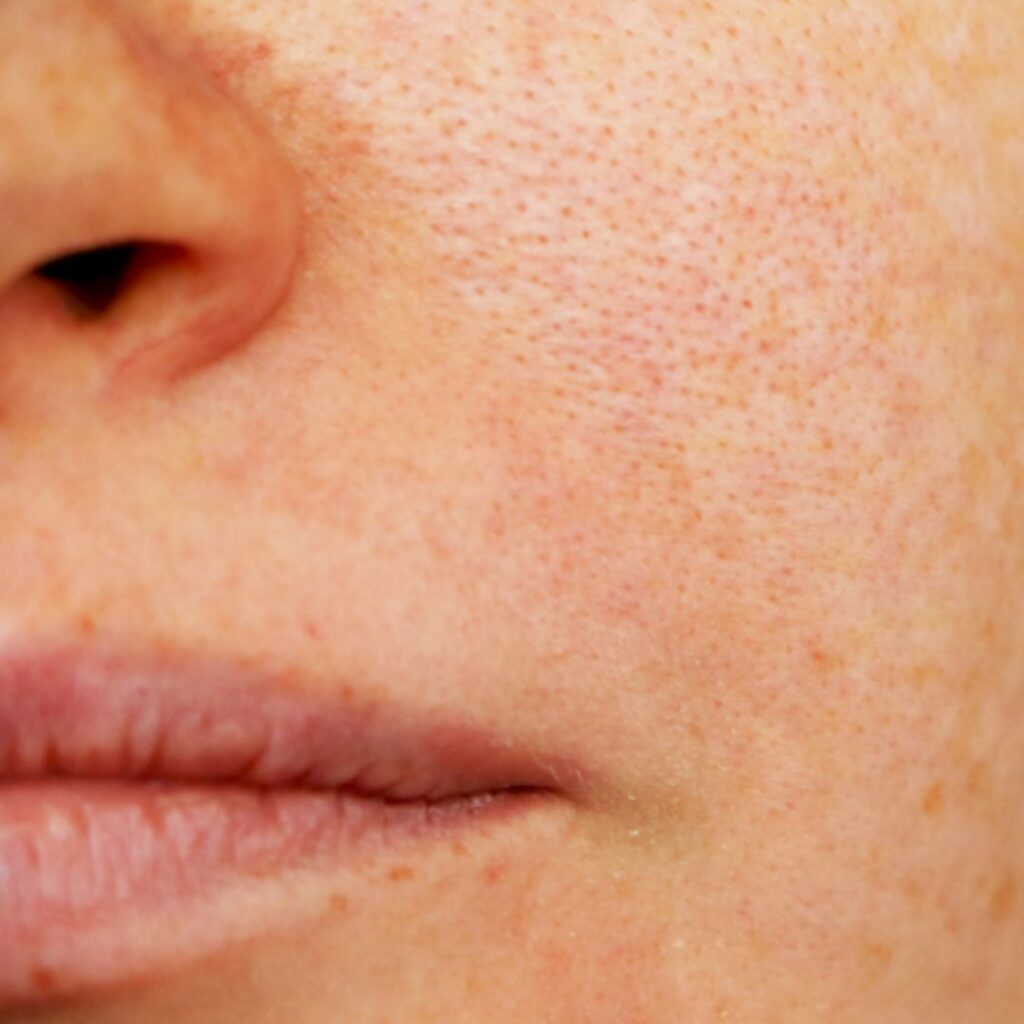
Pigmentation is one of the most common skin concerns that people face today. From dark patches and age spots to melasma and uneven skin tone, pigmentation can affect confidence and overall appearance.
While temporary solutions such as makeup can conceal it, many people seek long-lasting or permanent ways to treat pigmentation.
The good news is that with the right approach and the guidance of a qualified Dermatologist in Roorkee or Skin Specialist in Roorkee, pigmentation can be managed and even removed effectively.
Understanding Facial Pigmentation
Pigmentation occurs when the skin produces excess melanin, the pigment that gives skin its color. Factors like sun exposure, hormonal changes, aging, certain medications, and skin injuries can trigger uneven melanin production. The most common types of pigmentation include:
- Melasma: Often seen as brown or gray patches, usually caused by hormonal fluctuations.
- Sunspots (Age Spots): Dark spots caused by prolonged sun exposure.
- Post-Inflammatory Hyperpigmentation (PIH): Dark marks left behind after acne, cuts, or burns heal.
Identifying the type of pigmentation is crucial because the treatment plan varies depending on the underlying cause.
Can Pigmentation Be Removed Permanently?
The term “permanent” can be tricky. Pigmentation can be reduced to a point where it is barely noticeable or completely gone with the right treatments. However, if triggers such as sun exposure or hormonal imbalances continue, pigmentation may recur.
That’s why treatments should always be paired with preventive measures. Consulting a Skin Specialist in Roorkee ensures you receive a personalized plan that not only removes pigmentation but also prevents its return.
Professional Treatments for Pigmentation Removal
Here are the most effective clinical treatments recommended by dermatologists:
Laser Therapy
Laser treatments target and break down melanin deposits in the skin, leading to lighter and more even skin tone. Multiple sessions may be required, and results can be long-lasting when combined with sun protection.
Chemical Peels
Chemical peels involve applying a solution that exfoliates the top layers of skin, promoting new, healthier skin cell growth. Peels like glycolic acid, salicylic acid, and TCA are commonly used to treat pigmentation.
Microdermabrasion and Dermabrasion
These treatments exfoliate deeper layers of the skin, encouraging new skin regeneration. They are especially effective for treating superficial pigmentation and acne scars.
Topical Prescriptions
Dermatologists often prescribe creams containing ingredients like hydroquinone, retinoids, kojic acid, or azelaic acid. These reduce melanin production and gradually fade dark spots.
PRP Therapy
Platelet-rich plasma (PRP) therapy stimulates skin healing and regeneration, improving pigmentation and overall skin texture.
Seeking guidance from an experienced Dermatologist in Roorkee can help you decide which treatment suits your skin best.
At-Home Remedies and Skincare for Pigmentation
While professional treatments give faster and more dramatic results, incorporating certain skincare habits can help maintain pigmentation-free skin:
- Daily Sunscreen Use: Sun exposure is the leading cause of pigmentation. Apply a broad-spectrum sunscreen with SPF 30 or higher every day.
- Vitamin C Serums: Vitamin C brightens skin and reduces melanin production.
- Exfoliation: Gentle exfoliation removes dead skin cells and promotes new cell turnover.
- Hydration: Drinking enough water and using moisturizers helps maintain healthy skin.
- Natural Remedies: Ingredients like aloe vera, turmeric, and licorice extract are known for their skin-brightening properties. However, results are usually mild compared to medical treatments.
Preventing Pigmentation from Coming Back
Even after successful treatment, pigmentation can return if preventive measures aren’t taken. Here’s how to maintain your results:
- Avoid excessive sun exposure and wear hats or scarves outdoors.
- Stick to a dermatologist-recommended skincare routine.
- Get regular skin check-ups from a Skin Specialist in Roorkee to catch early signs of recurrence.
- Manage hormonal imbalances and lifestyle factors like stress, poor diet, and lack of sleep, which can worsen pigmentation.
Why Consult a Dermatologist in Roorkee?
Many people try home remedies or over-the-counter creams hoping for permanent results, but pigmentation is a complex condition that requires professional care. A qualified Dermatologist in Roorkee can:
- Diagnose the exact type and cause of pigmentation.
- Offer advanced treatments tailored to your skin.
- Ensure safety and effectiveness of the procedure.
- Guide you on long-term skin care to prevent recurrence.
Final Thoughts
Pigmentation on the face can be stubborn, but it is not impossible to treat. With the right combination of professional treatments, proper skincare, and preventive lifestyle choices, pigmentation can be reduced significantly—sometimes to the point of being nearly permanent. If you’re struggling with uneven skin tone, dark patches, or stubborn spots, consulting a trusted Skin Specialist in Roorkee is the first step toward achieving clear, radiant skin.