
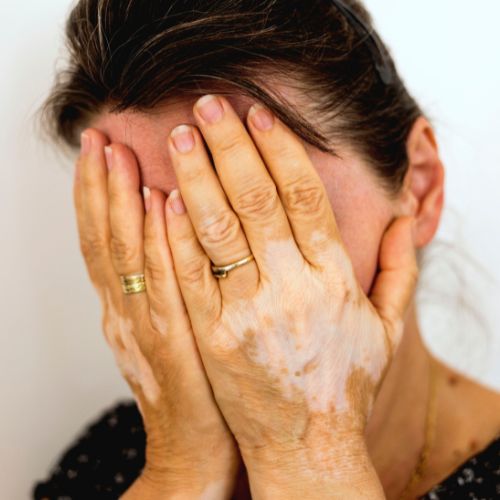
Understanding the Immune Connection in Skin Disorders
Vitiligo and psoriasis are chronic skin conditions with one common thread — they are autoimmune disorders where the immune system mistakenly attacks the body’s own skin cells. Although their symptoms differ, both conditions arise from a dysregulated immune response.
When the immune system becomes overactive, it can damage pigment-producing cells (melanocytes) in vitiligo, or speed up skin cell production in psoriasis. Both result in visible changes to the skin, and in some cases, people can develop both disorders.
Vitiligo vs. Psoriasis – How They Affect the Skin
Vitiligo
Vitiligo causes depigmented patches due to melanocyte destruction. These patches:
- Commonly appear on the face, hands, and genitals, but can occur anywhere.
- May affect hair color in the affected area.
- Can remain stable or spread gradually.
- Sometimes occur symmetrically across the body.
Rarely, vitiligo can also involve inflammation in the eyes or ears.
Psoriasis
Psoriasis results from the immune system accelerating skin cell turnover, leading to:
- Red, pink, or purple rashes (depending on skin tone).
- Thick, scaly patches of skin.
- Itching, burning, and sometimes bleeding skin.
- Nail changes such as pitting or discoloration.
- Psoriatic arthritis in some cases, causing joint pain and swelling.
Psoriasis often fluctuates in severity, with flare-ups triggered by factors like stress, infection, or weather changes.
Having One Condition May Increase Risk of the Other
Research shows:
- People with vitiligo are over three times more likely to develop psoriasis.
- Those with psoriasis are more than twice as likely to develop vitiligo.
- In most cases, patches from both conditions appear in different locations on the body.
Interestingly, psoriasis lesions may leave behind lightened skin after healing, which can resemble vitiligo but is actually hypopigmentation.
Why Do These Conditions Occur Together?
Genetic Factors
- Vitiligo is estimated to be 30% genetic, psoriasis up to 68% genetic.
- Some inflammation-related genes are linked to both disorders.
- Having a family member with one condition may increase the likelihood of developing the other.
Environmental Triggers
- Skin injury (cuts, burns, insect bites) can trigger both conditions — a phenomenon known as the Koebner response.
- Certain medications, such as TNF-alpha inhibitors or biologics for psoriasis, may trigger or worsen vitiligo.
- Infections, including strep throat, Epstein-Barr virus, and COVID-19, have been linked to the onset of these autoimmune disorders.
Expert Insight from Roorkee’s Leading Dermatologist
Dr. Hera Tabassum is one of the top dermatologists and skin care experts in Roorkee, Uttarakhand, known for her expertise in treating complex skin issues. She specializes in skin, hair, and nail disorders such as acne, fungal infections, eczema, hair loss, warts, and vitiligo.
If you are experiencing symptoms of vitiligo, psoriasis, or other persistent skin conditions, consulting a dermatologist and skin specialist in Roorkee like Dr. Hera Tabassum can help in accurate diagnosis and advanced treatment.
Treatment Options for Vitiligo and Psoriasis
Managing these autoimmune skin disorders often involves:
- Topical steroids to reduce inflammation.
- Phototherapy (UV light treatment) for repigmentation and slowing skin cell growth.
- Oral medications for immune regulation.
- Lifestyle changes such as stress management and a balanced diet to reduce flare-ups.
For targeted cosmetic improvement, treatments like skin tightening or pigmentation correction may also be recommended to restore skin’s appearance.
Living with Both Conditions – The Mental Health Impact
Beyond the physical symptoms, vitiligo and psoriasis can affect self-esteem and emotional well-being. Support groups, counseling, and patient communities can be valuable for managing the psychological toll.
Final Thoughts
Vitiligo and psoriasis, though different in their presentation, share a deep connection through the immune system. Understanding this link can help patients recognize symptoms early, seek timely treatment, and reduce their risk of developing additional autoimmune issues.
For those seeking specialized care in Uttarakhand, consulting a trusted skin expert like Dr. Hera Tabassum ensures access to comprehensive, personalized treatment plans for long-term skin health.