
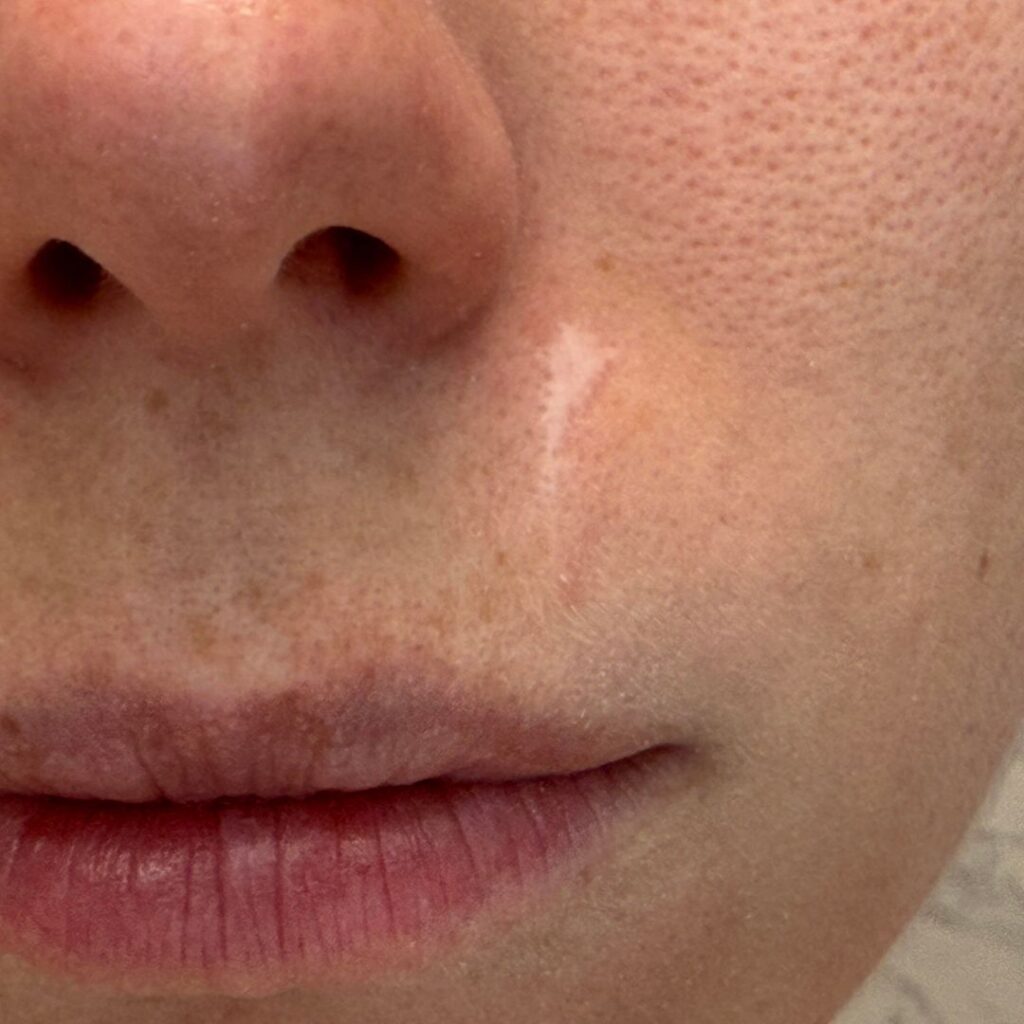
Scars are a natural part of the skin’s healing process, but for many people, they can leave behind visible marks that affect confidence.
Whether caused by acne, surgery, or injury, scars often become darker and more prominent when exposed to the sun. One of the most overlooked yet critical factors in long-term scar lightening is sun protection.
Dermatologists emphasize that consistent protection from UV rays can make a significant difference in how scars heal and fade over time.
If you are searching for expert guidance, consulting a Dermatologist in Roorkee can help you choose the best scar management plan tailored to your skin type.
Why Scars Darken Under the Sun
Scar tissue is different from normal skin. It lacks the same concentration of melanocytes (pigment-producing cells) and has a disrupted collagen structure, making it more sensitive to environmental damage. When scars are exposed to UV radiation:
Hyperpigmentation Increases – The sun triggers melanin production around the scar, leading to post-inflammatory hyperpigmentation (PIH). This makes scars appear darker and more noticeable.
Collagen Breakdown Accelerates – UV rays degrade collagen, slowing the remodeling process needed for scar healing.
Inflammation Worsens – Heat and sun exposure can trigger redness and irritation in newer scars, making them harder to fade.
That’s why Skin Specialists in Roorkee often stress the importance of sun protection as the first line of defense in scar management.
How Sun Protection Helps in Scar Lightening
Prevents Darkening of Scars
By blocking harmful UVA and UVB rays, sunscreens prevent scars from becoming hyperpigmented. This allows topical treatments such as retinoids, chemical exfoliants, or scar gels to work more effectively.
Supports Skin’s Natural Healing
Adequate sun protection preserves collagen integrity, enabling the skin to remodel scar tissue properly. This not only reduces discoloration but also improves texture over time.
Reduces Risk of Long-Term Damage
Prolonged sun exposure without protection can lead to permanent dark marks and uneven skin tone around scars. Consistent sunscreen use reduces this risk, allowing scars to fade more evenly with the surrounding skin.
Choosing the Right Sunscreen for Scars
Not all sunscreens are created equal, especially when it comes to protecting sensitive scar tissue. A Dermatologist in Roorkee may recommend:
- Broad-Spectrum Sunscreens (SPF 30 or higher): These protect against both UVA (aging rays) and UVB (burning rays).
- Physical (Mineral) Sunscreens: Formulated with zinc oxide or titanium dioxide, these are less irritating for healing skin and provide immediate protection.
- Non-Comedogenic Options: Especially important if scars are acne-related to avoid clogging pores and triggering new breakouts.
- Tinted Sunscreens: These add an extra layer of protection against visible light, which can also contribute to pigmentation.
Tips for Effective Sun Protection on Scars
Reapply Every 2 Hours – Sunscreen wears off, especially if you sweat or spend long hours outdoors.
Use Adequate Amount – A thin layer is not enough; apply generously to cover the scar completely.
Combine with Protective Clothing – Hats, scarves, or UV-blocking fabrics can shield scars from direct sun exposure.
Avoid Peak Sun Hours – Try to stay out of direct sunlight between 10 AM and 4 PM, when UV rays are strongest.
Complementary Treatments Alongside Sun Protection
Sun protection alone is not enough to lighten scars, but it enhances the effectiveness of other treatments, including:
- Topical Creams (Vitamin C, Retinoids, Niacinamide): Help improve pigmentation and stimulate collagen.
- Chemical Peels: Performed by a Skin Specialist in Roorkee, peels exfoliate damaged skin layers, allowing scars to fade faster.
- Laser Therapy: Advanced laser treatments target pigmentation and improve scar texture.
- Microneedling: Encourages collagen production and smooths uneven skin surface.
When combined with strict sun protection, these treatments yield significantly better results.
Why Professional Guidance Matters
Every scar is unique—its depth, color, and type (atrophic, hypertrophic, keloid) determine the right approach. Self-treatment with over-the-counter products often gives inconsistent results.
Consulting a Dermatologist in Roorkee ensures you get a customized plan, which may include medical-grade sunscreen, prescription creams, or in-office procedures.
Final Thoughts
The journey of scar lightening is a gradual process that requires patience, consistency, and the right protective measures.
Among all strategies, sun protection stands as the most powerful yet often underestimated tool. Without it, even the best scar treatments may fail to deliver desired results.
By making daily sunscreen use a non-negotiable habit and seeking professional advice from a Skin Specialist in Roorkee, you can significantly improve the chances of achieving lighter, less noticeable scars in the long term.