
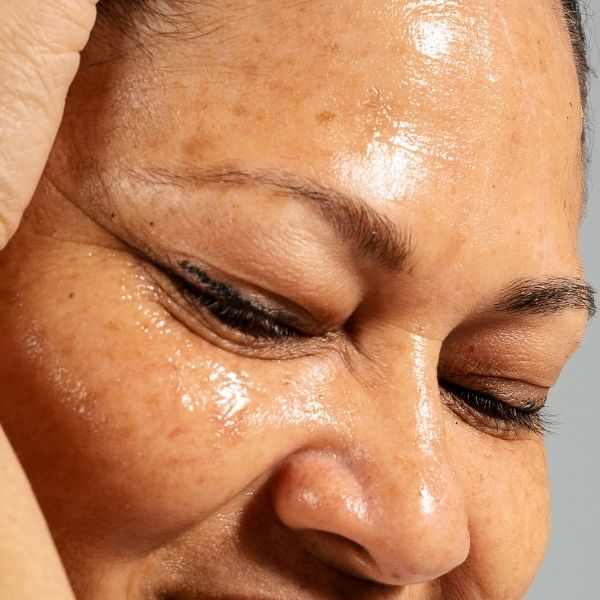
Best Treatment for Oily Skin
From a dermatological perspective, the best treatment for oily skin includes a consistent daily skincare routine using gentle gel-based cleansers, salicylic or glycolic acid-based exfoliation, lightweight oil-free moisturizers, and sun protection, combined with targeted treatments like retinoids or benzoyl peroxide. For persistent oiliness, professional treatments such as chemical peels or laser therapy may be recommended.
Table of Contents
- What Is Oily Skin?
- Why Does Oily Skin Occur?
- How Does Oily Skin Treatment Work?
- Best Dermatologist-Recommended Treatments for Oily Skin
- Daily Skincare Routine for Oily Skin
- Weekly and Targeted Treatments
- Professional Dermatology Treatments for Oily Skin
- Oily Skin Treatments vs Basic Skin Care
- Benefits of Proper Oily Skin Treatment
- Limitations and Medical Considerations
- Common Misconceptions About Oily Skin
- Related Questions
- Frequently Asked Questions
- Summary
What Is Oily Skin?
Oily skin is a skin type characterized by excess sebum production from the sebaceous glands.
Sebum is a natural oil that helps protect and moisturize the skin, but when produced in excess, it leads to a shiny appearance, enlarged pores, and a higher tendency for acne and breakouts.
From a medical standpoint, oily skin is not a disease but a physiological condition influenced by genetics, hormones, and environmental factors.
For example, individuals with oily skin often notice increased shine on the forehead, nose, and chin (T-zone).
Why Does Oily Skin Occur?
Oily skin occurs when the sebaceous glands are over stimulated. Dermatologists identify several contributing factors:
- Hormonal fluctuations, especially androgens
- Genetic predisposition
- Hot and humid climates
- Incorrect skincare practices, such as over-washing
- Use of heavy or comedogenic products
Excessive cleansing or harsh products can paradoxically worsen oiliness by triggering the skin to produce even more sebum as a protective response.
How Does Oily Skin Treatment Work?
Effective oily skin treatment focuses on regulating oil production without disrupting the skin barrier.
- Excess oil and impurities are gently removed.
- Pore-clogging debris is controlled through chemical exfoliation.
- Sebum production is balanced, not eliminated.
- Skin hydration is maintained using oil-free formulations.
The goal is to achieve balanced skin, not dry or stripped skin.
Best Dermatologist-Recommended Treatments for Oily Skin
| Treatment Type | Purpose | Dermatological Benefit |
| Salicylic Acid (BHA) | Oil control & exfoliation | Penetrates pores to reduce sebum |
| Glycolic Acid (AHA) | Surface exfoliation | Improves texture and tone |
| Retinoids | Oil regulation | Normalizes cell turnover |
| Benzoyl Peroxide | Acne control | Reduces bacteria and inflammation |
| Clay-Based Treatments | Oil absorption | Temporarily mattifies skin |
Daily Skincare Routine for Oily Skin
A consistent daily routine is the foundation of oily skin management.
Cleanser
Dermatologists recommend gentle gel-based or foaming cleansers used twice daily.
These remove excess oil without stripping the skin.
Toner
Toners containing salicylic acid or glycolic acid help unclog pores and reduce oil buildup.
Alcohol-heavy toners should be avoided.
Moisturizer
Contrary to common belief, oily skin requires moisturization.
Use lightweight, water-based, oil-free moisturizers to maintain hydration balance.
Sunscreen
Daily use of oil-free SPF 30 or higher with zinc oxide or titanium dioxide is essential to prevent sun damage and post-acne marks.
Weekly and Targeted Treatments
Clay Masks
Clay masks with ingredients such as kaolin, bentonite, or charcoal help absorb excess oil.
Use once or twice weekly to avoid over-drying.
Retinoids
Topical retinoids like retinol or adapalene help regulate oil production and prevent clogged pores.
They are especially useful for oily, acne-prone skin.
Benzoyl Peroxide
Used as a spot or treatment product, benzoyl peroxide reduces acne-causing bacteria and inflammation.
Professional Dermatology Treatments for Oily Skin
For individuals with severe or persistent oiliness, dermatologists may recommend clinical procedures:
Chemical Peels
AHAs and BHAs exfoliate deeper layers, unclog pores, and improve oil control.
Laser Therapy
Laser treatments target sebaceous glands, reducing their activity over time.
Microdermabrasion
This procedure exfoliates the outer skin layer, removing dead cells and excess oil.
Botox for Oil Control
In select cases, botulinum toxin injections may reduce oil production in localized areas such as the forehead.
Oily Skin Treatments vs Basic Skin Care
| Aspect | Targeted Treatments | Basic Skin Care |
| Oil regulation | High | Moderate |
| Acne prevention | Strong | Limited |
| Duration of results | Long-term | Short-term |
| Medical supervision | Often required | Not required |
Benefits of Proper Oily Skin Treatment
- Reduced excess shine
- Minimized appearance of pores
- Lower risk of acne and blackheads
- Improved skin texture
- Better makeup longevity
- Balanced skin barrier
From a dermatological view, proper treatment prevents secondary inflammatory skin conditions.
Limitations and Medical Considerations
- Overuse of actives can cause irritation
- Not all treatments suit sensitive skin
- Results vary depending on hormonal factors
- Professional treatments may require downtime
- Long-term management is necessary
A dermatologist-guided approach ensures safety and effectiveness.
Common Misconceptions About Oily Skin
Myth: Oily skin does not need moisturizer
Fact: Lack of hydration can increase oil production
Myth: Frequent washing controls oil
Fact: Over-washing worsens sebum imbalance
Myth: Oily skin is unhealthy skin
Fact: Oily skin often ages slower and has protective benefits
Related Questions
Can oily skin be permanently cured?
Oily skin can be controlled but not permanently cured due to genetic and hormonal factors.
Is oily skin always acne-prone?
Not always, but excess oil increases the risk of clogged pores.
Should oily skin avoid facial oils?
Some non-comedogenic oils can be beneficial in controlled amounts.
Frequently Asked Questions
Which treatment is best for oily skin and acne?
A combination of salicylic acid, retinoids, and benzoyl peroxide works best.
How often should oily skin be exfoliated?
Chemical exfoliation 1–3 times weekly is usually sufficient.
Are home remedies effective for oily skin?
They may provide temporary relief but lack long-term control.
Is laser treatment safe for oily skin?
When performed by professionals, laser therapy is generally safe.
Does diet affect oily skin?
High-glycemic diets may worsen oil production in some individuals.
Summary
- Oily skin is caused by excess sebum production
- Gentle cleansing and oil-free hydration are essential
- Salicylic acid, retinoids, and clay masks are effective
- Professional treatments help in stubborn cases
- Long-term consistency is key to oil control