
When Meera first noticed fine lines around her eyes at 27, she laughed them off. “It’s just stress,” she told herself. A few years later, at 38, those lines felt deeper, more permanent. And by the time she turned 52, she found herself avoiding mirrors altogether.
Wrinkles don’t arrive suddenly. They creep in quietly—one smile line, one faint crease, one shadow under the eyes. For many people, they are not just marks of aging; they carry stories of laughter, struggle, sleepless nights, and countless emotions. But what most people don’t realize is that wrinkle treatments today are not one-size-fits-all. What works for a 25-year-old is different from what a 45-year-old needs—and completely different from what a 60-year-old skin requires.
This storytelling blog explores wrinkle treatments that actually work for every age group, explained with medical accuracy, emotional understanding, and practical advice.
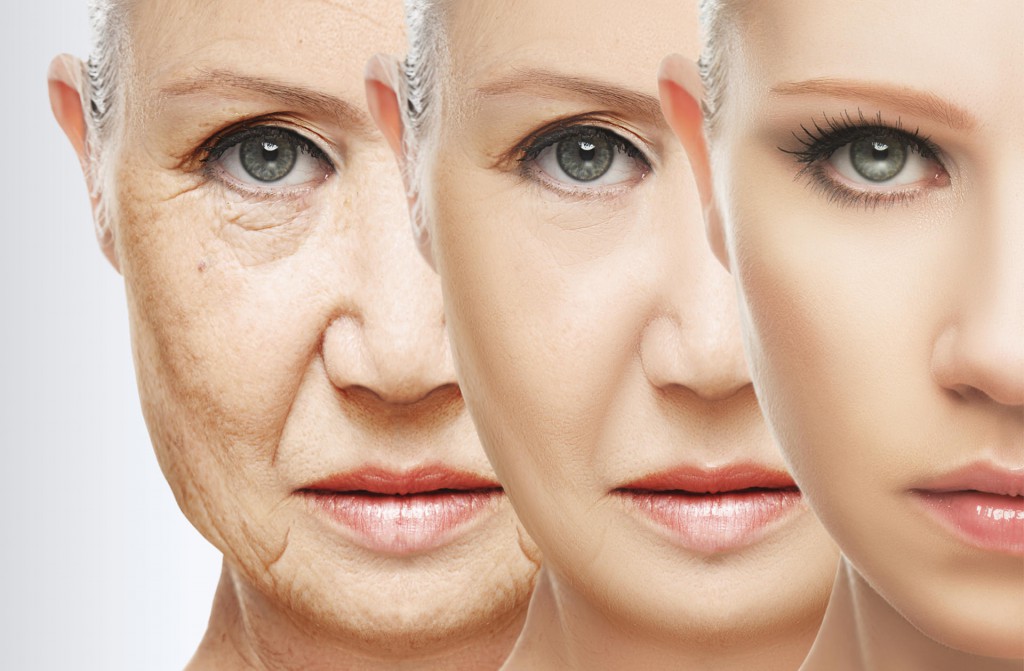
Why Wrinkles Happen: More Than Just Aging
Wrinkles form when our skin loses collagen, elastin, and hydration. Over time, the skin becomes thinner, drier, and less elastic. But aging alone is not the only reason.
Other causes include:
- Sun exposure
- Pollution
- Smoking
- Poor nutrition
- Stress
- Lack of sleep
- Dehydration
- Genetics
Every smile, frown, or squint leaves a tiny impression on the skin. In younger skin, these impressions bounce back. But as collagen production slows down, those temporary lines become permanent.
Understanding why wrinkles form is the first step toward treating them effectively.
In Your 20s: The Prevention Chapter
Riya was 24 when she started noticing faint lines under her eyes after long workdays. They disappeared after a good night’s sleep—but she wondered if that would always be the case.
In your 20s, wrinkles are usually not deep. These are called dynamic lines—they appear when you smile or frown but fade when your face relaxes.
What Works Best in Your 20s?
At this stage, prevention is more powerful than treatment.
- Sunscreen (daily, non-negotiable)
- Antioxidant serums (like Vitamin C)
- Retinol (low strength)
- Proper hydration
- Good sleep
- Balanced diet
Professional treatments are usually not required unless there are early signs of premature aging.
In Your 30s: When Lines Begin to Stay
At 34, Ankit realized that the lines on his forehead didn’t disappear anymore. No amount of sleep seemed to erase them.
In your 30s, collagen production slows down. Expression lines start becoming static—visible even when your face is relaxed.
Treatments That Work in Your 30s
This is the best time to slow down aging.
- Chemical peels
- Microdermabrasion
- Medical-grade retinoids
- Botox (for early dynamic lines)
- Microneedling
Many people at this stage consult a Skin Specialist In Roorkee to create a preventive treatment plan instead of waiting for deeper wrinkles to form.
In Your 40s: When Volume Loss Becomes Noticeable
By the time Neha turned 42, she felt like her face looked tired even when she wasn’t. Her cheeks looked hollow, and her nasolabial folds had deepened.
In your 40s, the skin loses fat, collagen, and firmness. Wrinkles deepen, and sagging becomes noticeable.
Effective Treatments in Your 40s
- Botox for dynamic lines
- Dermal fillers for volume loss
- Radiofrequency skin tightening
- PRP (platelet-rich plasma)
- Advanced microneedling
Topical creams alone are no longer enough at this stage. Medical interventions become more effective.
In Your 50s and Beyond: Restoring, Not Just Treating
When Suman turned 56, she didn’t want to “look young.” She wanted to look fresh, healthy, and confident.
In your 50s and beyond, wrinkles deepen, skin becomes thinner, and elasticity reduces significantly.
Treatments That Actually Work
- Dermal fillers
- Botox
- Laser resurfacing
- HIFU (High-Intensity Focused Ultrasound)
- PRP therapy
- Skin tightening procedures
The goal is not transformation—it is restoration.
A qualified Dermatologist In Roorkee can guide patients toward safe, natural-looking results.
Common Questions People Ask About Wrinkle Treatments
Are wrinkle treatments safe?
Yes, when done by trained professionals using approved products.
Will I look unnatural?
Not if treatments are customized and conservatively done.
Are results permanent?
Most treatments are temporary and require maintenance.
Can men get wrinkle treatments?
Absolutely. Skin aging affects everyone.
Can lifestyle changes really help?
They slow down aging but cannot reverse deep wrinkles.
The Emotional Side of Wrinkles
Wrinkles are not just lines—they affect confidence, self-image, and emotional well-being. Many people feel older than they are, or less confident in professional and social settings.
But it’s important to understand: wanting to treat wrinkles is not vanity—it’s self-care.
Looking better often leads to feeling better.
About Dr Hera’s Skin & Hair Clinic
In Roorkee, Dr Hera’s Skin & Hair Clinic is known for providing scientifically backed, ethical, and personalized dermatology care. The clinic focuses on long-term skin health, not quick fixes.
Dr. Hera Tabassum specializes in treating a wide range of skin, hair, and nail concerns, including wrinkles, pigmentation, acne, fungal infections, hair loss, vitiligo, and warts. Her approach blends medical expertise with aesthetic understanding—ensuring that patients look natural, refreshed, and confident.
Each patient is given a customized treatment plan based on age, skin type, lifestyle, and goals. This personalized approach is what sets the clinic apart.
Clinic Address: Dr Hera’s Skin & Hair Clinic, Malviya Chowk, near Bank of India, Roorkee, Uttarakhand 247667
Final Thoughts: Every Wrinkle Has a Story—But You Choose the Ending
Wrinkles tell stories. Stories of laughter. Of resilience. Of time well spent. But if those stories begin to affect how you feel about yourself, you have the right to rewrite them.
Modern dermatology offers safe, effective, and natural-looking wrinkle treatments for every age group. The key lies in choosing the right time, the right treatment, and the right expert.
Because aging is inevitable—but aging well is a choice.