
Psoriasis is a chronic autoimmune skin condition that affects millions of people worldwide. It often appears as red, scaly patches on the skin and can significantly impact physical comfort, emotional well-being, and confidence. While there is no permanent cure for psoriasis, modern dermatology offers several effective treatment options. One such clinically proven approach is phototherapy, a controlled exposure of skin to specific wavelengths of light.
This blog explores phototherapy in depth—how it works, who it’s for, its benefits, risks, and what patients should realistically expect during treatment.
Understanding Psoriasis: Why Specialized Treatment Matters
Psoriasis occurs when the immune system mistakenly speeds up the skin cell renewal cycle. Instead of shedding every 28–30 days, skin cells multiply within days, causing thick scaling, inflammation, and itching. Triggers may include stress, infections, weather changes, genetics, or certain medications.
Because psoriasis varies in severity—from mild localized patches to extensive body involvement—treatment must be tailored to the individual. This is where light-based therapies play a crucial role for moderate to severe cases.
What Is Phototherapy?
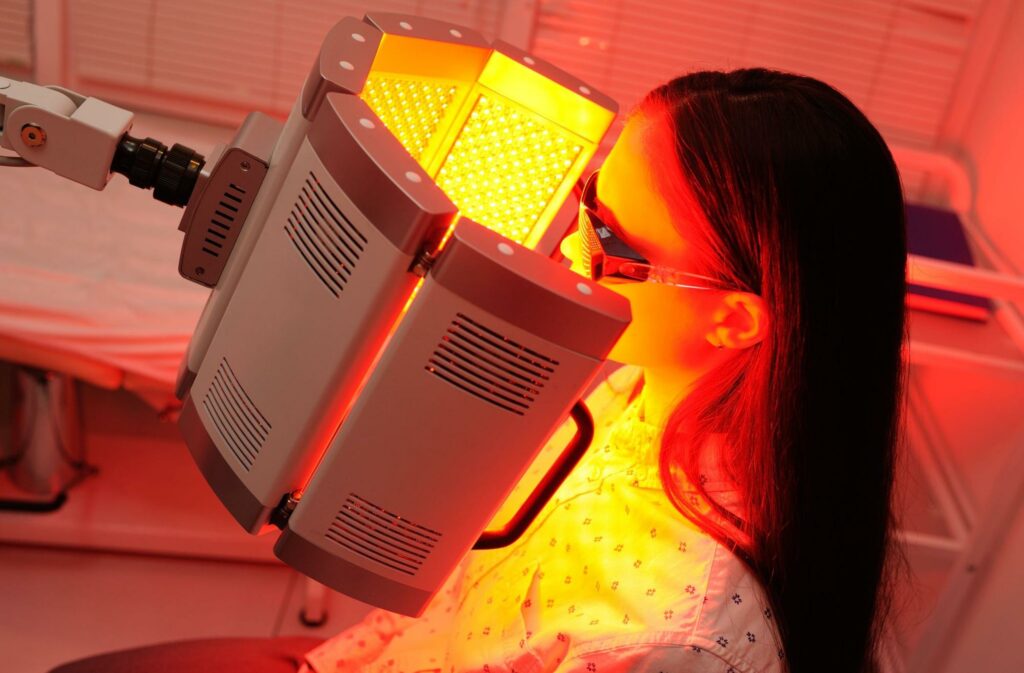
Phototherapy is a medical treatment that uses ultraviolet (UV) light to slow excessive skin cell growth and reduce inflammation. Unlike sunlight exposure, phototherapy is delivered in a controlled clinical environment to ensure safety and effectiveness.
The therapy works by:
- Suppressing overactive immune responses in the skin
- Reducing redness, scaling, and plaque thickness
- Improving skin texture over time
Phototherapy is often recommended when topical medications alone are insufficient or when psoriasis affects larger body areas.
Types of Phototherapy Used in Psoriasis
Narrowband UVB Therapy
This is the most commonly used and safest form of phototherapy. It targets a specific UVB wavelength (311–313 nm) that effectively treats psoriasis with minimal side effects.
Broadband UVB Therapy
An older method using a wider range of UVB wavelengths. It is used less frequently today due to better outcomes with narrowband UVB.
PUVA Therapy
This combines UVA light with a photosensitizing medication called psoralen. It is reserved for severe or resistant cases due to higher risk of side effects.
Each method is selected based on psoriasis severity, skin type, and medical history.
Who Is an Ideal Candidate for Phototherapy?
Phototherapy may be suitable if:
- Psoriasis covers more than 10% of the body
- Topical treatments have not provided sufficient relief
- Long-term steroid use needs to be minimized
- Systemic medications are not advised
However, individuals with a history of skin cancer, photosensitive disorders, or certain medical conditions may require alternative treatments.
A qualified Skin Specialist In Roorkee can determine whether phototherapy is appropriate after a detailed clinical evaluation.
What Happens During a Phototherapy Session?
A typical session lasts only a few minutes. The patient stands inside a specialized light cabinet while wearing protective eyewear. Treatment frequency usually ranges from 2–3 sessions per week over several weeks.
Gradual improvement is expected, not instant results. Many patients notice reduced scaling and redness after 6–8 weeks of consistent therapy.
Benefits of Phototherapy for Psoriasis Patients
- Non-invasive and painless
- Clinically proven effectiveness
- Can be safely combined with other treatments
- Reduces reliance on long-term medications
- Suitable for chronic disease management
For patients seeking balanced and medically supervised care, consultation with a trusted Dermatologist In Roorkee ensures safe treatment planning.
Possible Side Effects and Safety Considerations
Although phototherapy is generally safe, potential side effects include:
- Mild redness or sunburn-like reactions
- Temporary itching or dryness
- Premature skin aging with prolonged exposure
Following professional guidance and adhering to prescribed schedules significantly reduces risks.
Lifestyle Support Alongside Phototherapy
To enhance treatment outcomes:
- Keep skin well-moisturized
- Avoid known psoriasis triggers
- Manage stress levels
- Maintain regular follow-ups
Consistency and patience are key to long-term improvement.
Why Expert Care Makes a Difference
Psoriasis management is not one-size-fits-all. Personalized treatment protocols, accurate diagnosis, and close monitoring are essential for lasting relief.
Dr Hera’s Skin & Hair Clinic focuses on evidence-based dermatological care with a patient-centric approach. The clinic combines advanced technology with clinical expertise to deliver safe and effective psoriasis treatment, including phototherapy, medical management, and long-term care planning.
Patients receive individualized attention, transparent guidance, and medically sound solutions designed for real-world results—not temporary fixes.
Our Address: Dr Hera’s Skin & Hair Clinic Malviya chowk, near Bank of India, Roorkee, Uttarakhand 247667
Final Thoughts
Phototherapy remains one of the most reliable and well-researched treatments for psoriasis. When administered correctly, it offers sustained improvement, better quality of life, and controlled disease management.
Consulting an experienced specialist ensures that treatment is both safe and effective, aligned with your skin’s unique needs.