
Rosacea is often considered a facial skin condition, but many people also experience rosacea on the neck and chest. Redness in these areas can be confusing and frustrating because it is frequently mistaken for heat rash, allergies, or simple skin sensitivity. Unfortunately, misdiagnosis or delayed treatment can allow the condition to worsen over time.
This blog explains rosacea on the neck and chest in detail—what it is, why it happens, how it looks, and what treatment options are available.
What Is Rosacea on the Neck and Chest?
Rosacea is a chronic inflammatory skin condition that affects blood vessels and skin sensitivity. While it commonly starts on the face, it can extend to other exposed areas such as the neck and upper chest.
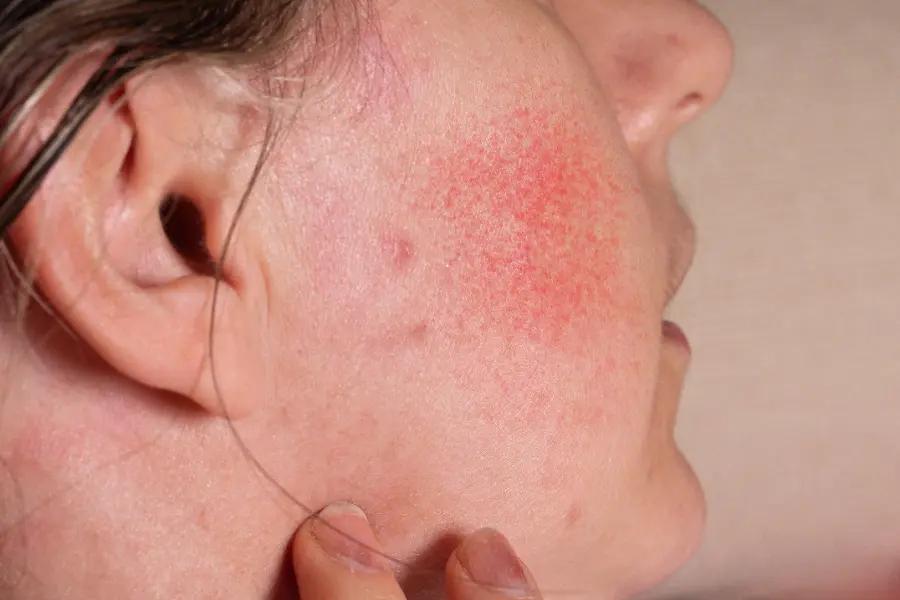
Rosacea in these areas may present as:
- Persistent redness that does not fade easily
- Frequent flushing episodes
- Burning, stinging, or itching sensations
- Dry, rough, or flaky skin
- Visible fine blood vessels
The skin on the neck and chest is thinner and more delicate, which is why symptoms often feel stronger and more uncomfortable.
Why Does Rosacea Occur on the Neck and Chest?
Rosacea develops due to multiple internal and external triggers rather than a single cause.
Sensitive Blood Vessels
People with rosacea have over-reactive blood vessels that expand easily. This causes redness and flushing, especially in areas exposed to heat and sunlight.
Sun Exposure
The neck and chest are often ignored when applying sunscreen. Continuous sun exposure damages the skin barrier and increases inflammation, making rosacea more visible.
Heat, Sweat, and Climate
Hot weather, sweating, steam, hot showers, and humid conditions are common triggers for rosacea flare-ups on the neck and chest.
Skincare and Fragrances
Perfumes, fragranced lotions, harsh soaps, and alcohol-based products applied near the neck can irritate sensitive skin and worsen rosacea.
Lifestyle Factors
Stress, spicy foods, alcohol, hot beverages, and hormonal changes can intensify redness and flushing episodes.
Symptoms That Should Not Be Ignored
Rosacea symptoms may appear mild initially but often progress if untreated.
Common warning signs include:
- Redness lasting for weeks
- Burning or stinging sensations
- Repeated flare-ups without a clear cause
- Skin thickening or texture changes
- Visible blood vessels over time
If these symptoms persist, professional evaluation becomes essential.
How Rosacea on the Neck and Chest Is Diagnosed
Rosacea is diagnosed based on clinical examination and medical history. Since there is no specific lab test, it is often confused with eczema, contact dermatitis, or fungal infections.
This is why consulting a Skin Specialist In Roorkee is important for accurate diagnosis and early treatment, preventing unnecessary use of incorrect creams or medications.
Treatment Options for Rosacea on Neck and Chest
Although rosacea cannot be permanently cured, it can be effectively managed with the right medical approach and lifestyle care.
Topical Medications
Doctors may prescribe medicated creams or gels that help:
- Reduce inflammation
- Calm redness
- Strengthen the skin barrier
- Minimize irritation
Oral Medications
In moderate to severe cases, oral medicines may be used for a limited time to control inflammation and frequent flare-ups.
Laser and Light Treatments
Laser therapy can reduce visible blood vessels and persistent redness, especially in long-standing rosacea affecting the chest area.
Personalized Skincare Routine
Gentle cleansers, fragrance-free moisturizers, and mineral sunscreens play a crucial role in long-term rosacea control.
A Dermatologist In Roorkee can design a customized treatment plan based on your skin type, trigger factors, and severity of symptoms.
Daily Care Tips to Prevent Flare-Ups
Managing rosacea requires consistency and awareness of personal triggers.
Protect Your Skin from the Sun
- Use broad-spectrum sunscreen daily
- Cover the neck and chest with breathable clothing
Avoid Common Triggers
Spicy foods, alcohol, hot drinks, stress, and extreme temperatures often worsen rosacea symptoms.
Choose Skin-Friendly Clothing
- Prefer loose cotton fabrics
- Avoid tight collars and synthetic materials
Follow a Gentle Skincare Routine
- Avoid scrubs and harsh exfoliation
- Do not apply perfumes directly on the neck
- Use lukewarm water for cleansing
When Should You See a Skin Doctor?
You should seek professional care if:
- Redness lasts longer than two to three weeks
- Symptoms worsen despite home care
- Burning or itching affects daily comfort
- Skin texture begins to change
Early medical treatment helps prevent progression and improves long-term skin health.
About Dr Hera’s Skin & Hair Clinic
Dr Hera’s Skin & Hair Clinic is known for its patient-focused and ethical dermatology care. Every case is evaluated thoroughly to identify triggers, skin sensitivity, and underlying causes before starting treatment.
The clinic emphasizes:
- Accurate diagnosis
- Evidence-based treatments
- Personalized care plans
- Long-term skin health solutions
Clinic Address: Dr Hera’s Skin & Hair Clinic, Malviya Chowk, near Bank of India, Roorkee, Uttarakhand 247667
Final Thoughts
Rosacea on the neck and chest can be physically uncomfortable and emotionally distressing, but it is manageable with proper care. Understanding triggers, protecting your skin, and seeking timely medical advice can significantly improve symptoms and overall skin health.