
Understanding the Link Between Acne and Mental Health
Acne is not only a skin concern. It also affects how a person feels inside. The connection between acne and mental health is strong and well studied. Many people with acne experience stress, low confidence, and emotional discomfort.
The psychological effects of acne can include sadness, frustration, and social withdrawal. When breakouts appear on the face, they are hard to ignore. This often leads to overthinking and emotional pressure.
Studies show that acne can affect self-image. It can also influence how people interact in daily life. Because of this, acne and mental health should always be addressed together, not separately.
Psychological Effects of Acne on Self-Esteem and Confidence
Acne can deeply affect self-esteem. Many individuals develop low self-esteem due to acne because they feel less confident in social situations.
People may avoid gatherings or cameras due to visible breakouts. This can slowly impact relationships and work life.
The emotional impact of acne often includes anxiety and overthinking. Some people start believing their skin defines their value. This is not true, but the feeling can be very real.
Over time, untreated acne and emotional stress can create a cycle that becomes harder to break.
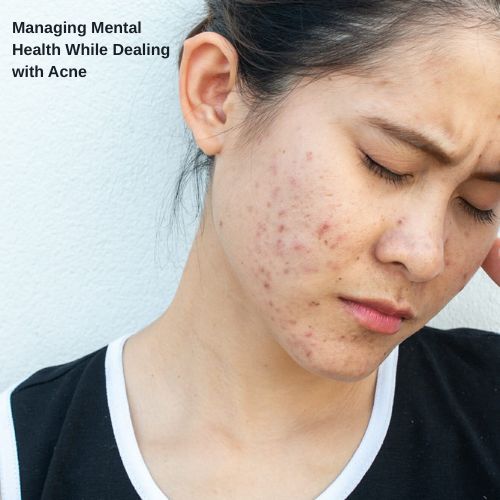
How Stress and Anxiety Can Make Acne Worse
Stress plays a major role in skin health. High stress levels increase cortisol in the body. This can lead to inflammation and more breakouts.
This creates a cycle where stress caused acne breakouts lead to more stress. Anxiety also affects sleep, which further impacts skin healing.
In many cases, hormonal imbalance also worsens acne. The hormonal acne stress connection is one of the most common triggers seen in clinical practice.
This is why managing stress is just as important as skincare.
Breaking the Acne and Mental Health Cycle
The link between acne and emotions can become a loop. Acne causes stress, and stress worsens acne.
To break this cycle, early care is important. Timely treatment reduces both physical symptoms and emotional burden.
A combined approach works best. This includes skincare, lifestyle changes, and emotional support. Learning how to deal with acne mentally is an important part of recovery.
Ignoring emotional health can slow down skin improvement. That is why both must be treated together.
Effective Ways to Manage Mental Health While Dealing with Acne
Practice Simple Self Care
A gentle skincare routine is important. Harsh products can make acne worse. A stable routine helps skin heal slowly and steadily.
Self-care also improves emotional balance. When people follow a routine, they feel more in control of their condition.
Reduce Stress with Mindful Habits
Stress management helps in both acne and mental health improvement. Activities like breathing exercises, yoga, and walking can reduce stress levels.
Mindfulness also helps control negative thoughts. This improves confidence over time.
These habits support both mental wellness during skin problems and physical healing.
Improve Body Image and Self Acceptance
Acne does not define appearance. Building a positive body image is important.
Avoid comparing skin with filtered images on social media. Focus on progress, not perfection.
Many people with acne slowly regain confidence by shifting attention from appearance to self-growth.
Talk and Seek Support
Sharing feelings helps reduce emotional burden. Talking to friends or family can provide relief.
In some cases, professional support is needed. Counseling helps manage acne anxiety and depression in a healthy way.
Support groups also help people feel less alone in their journey.
When to Seek Professional Help for Acne and Mental Health
If acne continues for a long time, it can affect emotions deeply. Persistent sadness, anxiety, or low confidence should not be ignored.
In such cases, dermatological support is important. Early treatment helps prevent long-term emotional distress.
Many studies show that untreated acne can increase psychological stress. This is why expert care is recommended.
For people searching for dermatologist in Roorkee, professional consultation can help manage both skin and emotional impact together.
Lifestyle Changes That Support Skin and Mental Health
Healthy habits play a strong role in recovery.
A balanced diet supports clearer skin. Drinking enough water also improves skin function.
Good sleep helps reduce inflammation and supports emotional balance. Regular exercise improves mood and reduces stress hormones.
These changes support both skin healing and mental wellness during skin problems.
Does Stress Cause Hair Fall or Does Hair Fall Cause Stress?
Stress and hair fall are closely linked. High stress levels can lead to hair shedding. At the same time, hair fall can also increase emotional stress.
This creates a cycle similar to acne and mental health issues. Stress can trigger hair loss conditions like telogen effluvium. In return, visible hair fall can affect confidence and increase anxiety.
Managing stress is important for both skin and hair health. A calm mind supports better recovery.
About Dr Hera’s Skin & Hair Clinic
For people looking for expert skin and hair care, Dr Hera’s Skin & Hair Clinic is a trusted name in dermatology services.
It is a leading Dermatology Clinic in Roorkee, providing complete care for skin, hair, and nail disorders. The clinic offers treatment for acne, fungal infections, eczema, hair loss, warts, and vitiligo.
Dr. Hera Tabassum is one of the best dermatologists in Roorkee. She specializes in diagnosing and treating complex skin and hair conditions with a patient-focused approach.
With strong clinical experience, she provides personalized treatment plans based on individual needs. Patients receive focused care for both skin health and emotional confidence.
For those searching for reliable dermatologists in Roorkee, Dr Hera’s Skin & Hair Clinic offers professional and result-oriented care.
Final Thoughts
Managing acne is not only about treating the skin. It is also about protecting mental health. The connection between acne and emotions is real and should not be ignored.
With the right care, both skin and confidence can improve over time. A balanced approach to skincare, stress management, and professional guidance leads to better results.
Remember, clear skin is a journey, not an overnight change.