
Vitiligo is a skin condition where white patches appear due to loss of pigment. It happens when melanocytes stop producing melanin. Many factors can trigger this condition such as genetics, immunity issues, stress, and lifestyle.
Diet plays a supporting role in managing vitiligo. A proper best diet plan for vitiligo patients helps improve skin health and supports melanin production. Food alone cannot cure vitiligo, but it can help slow down progression and improve overall skin balance.
The link between nutrition and skin health is strong. A balanced diet supports immunity, reduces oxidative stress, and improves cell repair, which is important in vitiligo management.
Is There a Specific Diet for Vitiligo Patients?
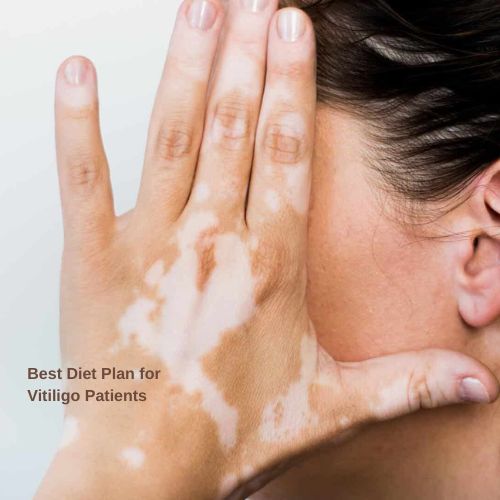
There is no fixed medical diet that can cure vitiligo. However, research shows that a best diet plan for vitiligo patients rich in vitamins, minerals, and antioxidants may support skin recovery.
Foods rich in nutrients help the body manage inflammation and support pigmentation. A natural diet with whole foods is always better than processed food.
A good vitiligo diet is not about restriction alone. It is about balance, consistency, and nutrition support for skin health.
Best Diet Plan for Vitiligo Patients (Daily Diet Chart)
A structured best diet plan for vitiligo patients helps maintain nutrient balance throughout the day.
Morning Routine (6:00–8:00 AM)
Start the day with warm water or herbal tea. Add soaked almonds, walnuts, and raisins. These nuts provide healthy fats and support skin health.
Breakfast (8:00–10:00 AM)
Include oats, poha, or whole wheat roti. Add fruits like apple, banana, or papaya. Milk or plant-based milk can also be added for nutrition.
Mid-Morning (11:00–12:00 PM)
Fresh fruits or coconut water help keep the body hydrated. Light snacks like seeds also support mineral intake.
Lunch (1:00–2:30 PM)
Lunch should be balanced. Include 2–3 roti or brown rice, green leafy vegetables like spinach and broccoli, and lentils such as moong or arhar dal. A fresh salad adds fiber and vitamins.
Evening Snack (4:00–5:30 PM)
Green tea or herbal tea is a good option. A handful of peanuts, almonds, or walnuts supports skin nourishment.
Dinner (7:30–9:00 PM)
Keep dinner light. Roti with cooked vegetables or khichdi works well. Avoid heavy and oily food at night for better digestion and skin balance.
Best Foods for Vitiligo Patients (What to Eat)
A strong best diet plan for vitiligo patients includes nutrient-rich foods that support skin repair.
Antioxidant-Rich Foods
Berries, apples, and citrus fruits help reduce oxidative stress and support skin health.
Vitamin B12 Rich Foods
Eggs, milk, fish, and dairy products support nerve and skin function. Vitamin B12 is important in pigmentation support.
Copper and Mineral-Rich Foods
Nuts, seeds, mushrooms, and legumes help support melanin production in the body.
Leafy Green Vegetables
Spinach, kale, broccoli, and moringa are rich in nutrients and support overall skin balance.
Foods to Avoid in Vitiligo Patients
A proper best diet plan for vitiligo patients also includes avoiding harmful foods.
Avoid processed food, fast food, and deep-fried items. These can increase inflammation in the body.
Excess sugar and packaged snacks should also be limited. Some patients may react to very acidic foods, so personal observation is important.
Vitamins and Nutrients Important for Vitiligo Management
Nutrition plays a key role in the best diet plan for vitiligo patients.
Vitamin B12 supports melanin-related functions. Folic acid helps in cell repair and growth. Copper plays a direct role in pigmentation. Zinc supports immunity, while antioxidants protect skin cells from damage.
A balanced intake of these nutrients helps the body maintain better skin health over time.
Can Diet Cure Vitiligo?
Diet cannot fully cure vitiligo. However, a well-planned best diet plan for vitiligo patients can support medical treatment and improve skin condition.
Consistency is important. Diet works best when combined with proper dermatological care and healthy lifestyle habits.
Lifestyle Tips Along With Vitiligo Diet Plan
A healthy routine supports the effects of a best diet plan for vitiligo patients.
Manage stress through meditation or light exercise. Maintain proper sleep cycles. Stay hydrated throughout the day. Avoid skin injuries or irritation as they may worsen patches.
Frequently Asked Questions (FAQ)
Which diet is best for vitiligo patients?
A balanced diet rich in antioxidants, vitamins, and minerals is best for vitiligo patients.
What foods should be avoided in vitiligo?
Avoid processed food, fried items, and excessive sugary snacks.
Can vitamins help in vitiligo treatment?
Yes, vitamins like B12, folic acid, and zinc support skin health and pigmentation.
Is there a permanent cure through diet?
No, diet supports treatment but does not fully cure vitiligo.
Final Thoughts – Best Diet Plan for Vitiligo Patients
A structured best diet plan for vitiligo patients helps support skin health and overall well-being. It improves nutrient balance and may slow down progression when followed consistently.
Diet alone is not a cure, but it is an important part of a complete care plan that includes medical treatment and lifestyle changes.
For expert skin care support, consultation with a specialist is important.
About Dr Hera’s Skin & Hair Clinic
Dr Hera’s Skin & Hair Clinic is a leading dermatology clinic in Roorkee providing complete skin, hair, and nail care solutions. It is known as a trusted dermatologist in Roorkee for advanced and personalized treatment.
Dr. Hera Tabassum is one of the best dermatologists in Roorkee. She specializes in treating skin and hair conditions like vitiligo, acne, eczema, fungal infections, hair loss, and warts. She focuses on patient-specific treatment plans for better results.
With strong clinical experience and a patient-first approach, Dr Hera’s Skin & Hair Clinic provides modern dermatology care with attention to detail. Patients receive guidance based on individual skin conditions, making treatment more effective and reliable.