
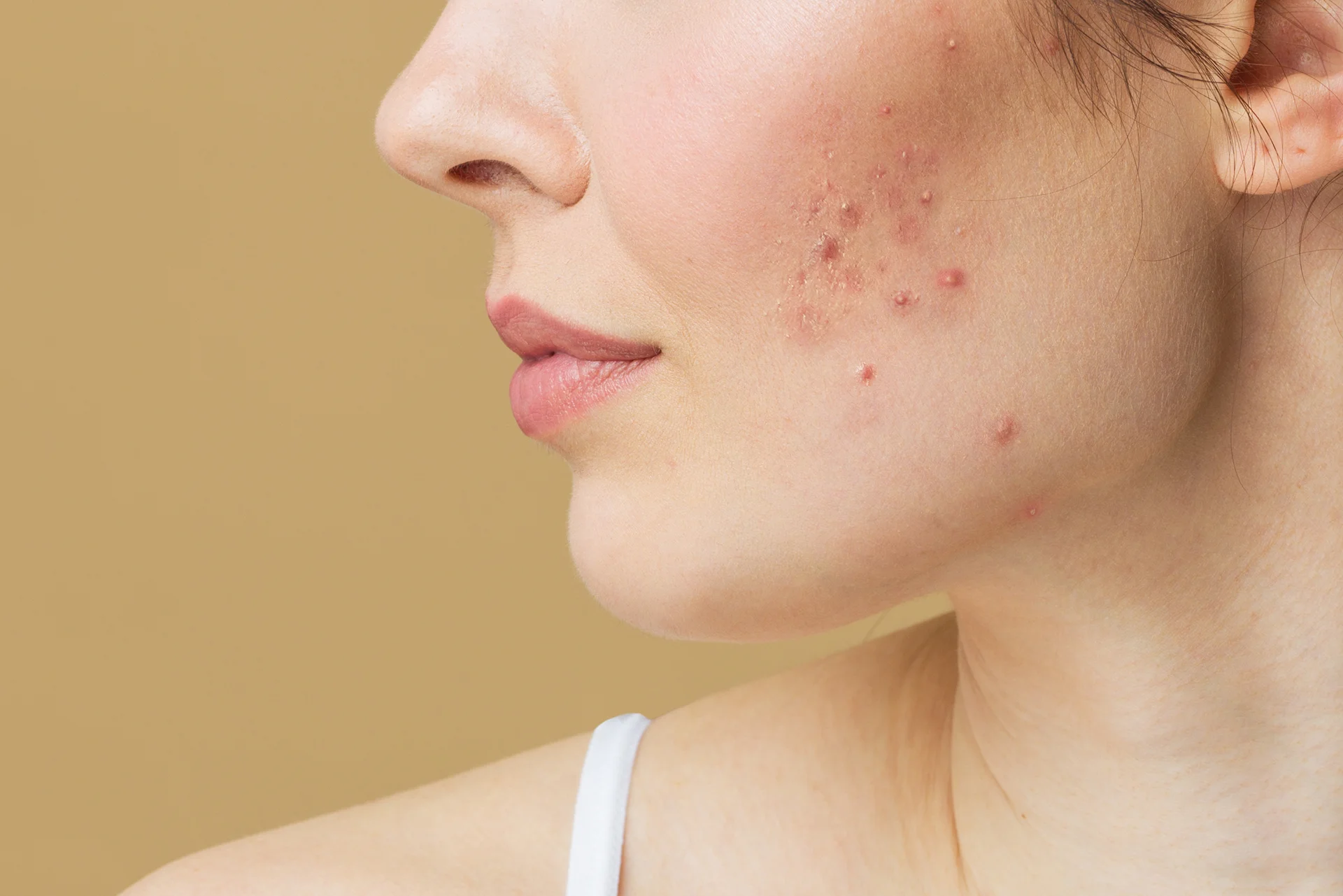
Acne is more than just a cosmetic concern—it can affect confidence, social interactions, and overall skin health. Among the wide range of treatments available, chemical peels have emerged as a professional solution for those looking to improve skin texture, reduce breakouts, and minimize scarring. But the big question remains: Are chemical peels safe for acne-prone skin?
In this blog, we’ll cover everything you need to know about chemical peels—their benefits, risks, preparation, aftercare, and expert guidance. By the end, you’ll have a complete understanding to make an informed decision about this treatment.
Understanding Chemical Peels
Chemical peels are a professional skin treatment that involves applying a solution containing active ingredients such as glycolic acid, salicylic acid, lactic acid, or trichloroacetic acid (TCA). These acids exfoliate the outer layer of the skin, promoting cell turnover and revealing fresher, healthier skin beneath.
Chemical peels can be categorized into three main types:
Superficial Peels:
- Mild acids that remove dead skin cells on the surface.
- Ideal for minor acne, uneven skin tone, and dullness.
Medium Peels:
- Penetrate deeper into the skin layers.
- Treat moderate acne, pigmentation issues, and fine lines.
Deep Peels:
- Strong acids that target severe scarring and deep wrinkles.
- Require professional supervision due to longer recovery and higher risk.
Selecting the right peel depends on skin type, acne severity, and professional guidance.
Benefits of Chemical Peels for Acne-Prone Skin
Chemical peels offer multiple advantages for those with acne-prone skin:
- Unclog Pores: Dead skin cells and excess oil are removed, reducing acne formation.
- Reduce Inflammation: Ingredients like salicylic acid soothe redness and irritation.
- Minimize Scars: Regular sessions can fade post-acne marks and improve skin texture.
- Improve Skin Tone: Promotes even pigmentation and radiance.
- Boost Confidence: Clearer skin often enhances self-esteem and appearance.
With consistent treatment under professional supervision, many patients notice significant improvement in both acne outbreaks and overall skin health.
Risks and Precautions
While chemical peels are generally safe, acne-prone skin is often sensitive. Understanding potential risks is essential:
- Redness and Irritation: Temporary and usually subsides in a few days.
- Hyperpigmentation: Darker skin tones may experience post-treatment pigmentation if not protected from sunlight.
- Over-Exfoliation: Excessive peeling weakens the skin barrier, potentially worsening acne.
- Allergic Reactions: Rare but possible, depending on the peel ingredients.
Minimizing these risks requires a professional consultation and careful post-treatment care.
Expert Guidance: Consult Professionals
If you are considering chemical peels, it is strongly recommended to consult a Dermatologist In Roorkee . These experts can evaluate your skin, recommend suitable peel types, and design a personalized treatment plan. Attempting DIY chemical peels at home can lead to burns, irritation, and permanent scarring.
Professional guidance ensures safety, effectiveness, and long-term benefits.
Who Should Avoid Chemical Peels?
Not everyone is an ideal candidate for chemical peels. Avoid treatment if you have:
- Active skin infections or cold sores
- Severe eczema, rosacea, or sensitive skin
- Recent facial surgery or laser treatments
- History of abnormal scarring or pigmentation issues
For such cases, safer alternatives like topical retinoids, LED therapy, or gentle enzymatic peels may be recommended.
Preparing for a Chemical Peel
Proper preparation enhances results and reduces side effects:
- Consultation: Discuss your acne history, medications, and previous treatments.
- Pre-Peel Care: Use gentle cleansers and avoid scrubs or retinoids for a few days.
- Sun Protection: Protect skin from UV exposure to avoid pigmentation.
- Patch Test: Helps identify allergic reactions before full application.
Following these steps ensures the treatment is safe and effective.
Aftercare and Recovery
Post-treatment care is crucial for achieving optimal results:
- Avoid scrubbing or exfoliating the treated skin.
- Apply gentle moisturizer and mild cleansers.
- Use sunscreen regularly to protect newly exposed skin.
- Avoid makeup for at least 24–48 hours depending on peel depth.
Adhering to aftercare instructions prevents complications and speeds up recovery.
Frequency and Long-Term Results
Treatment frequency depends on peel type and skin tolerance:
- Superficial Peels: Every 2–4 weeks
- Medium Peels: Every 4–6 weeks
- Deep Peels: Typically one session, with longer recovery
With regular sessions and proper skincare, patients can expect smoother, clearer skin, fewer breakouts, and reduced post-acne marks over time.
About Dr Hera’s Skin & Hair Clinic
Dr Hera’s Skin & Hair Clinic in Roorkee specializes in advanced dermatology treatments tailored to individual needs. From acne management to chemical peels and hair restoration, the clinic combines expertise, modern technology, and personalized care to deliver excellent results.
Located at Malviya Chowk, near Bank of India, Roorkee, Uttarakhand 247667, the clinic is known for its professional approach, safety standards, and patient-centered care. Expert dermatologists and skin specialists at Dr Hera’s ensure every treatment is customized, effective, and safe.
Whether you are considering chemical peels for acne-prone skin or exploring other skin treatments, the clinic provides comprehensive guidance and follow-up care to help patients achieve healthy, radiant skin.
Final Thoughts
Chemical peels are a safe and effective solution for acne-prone skin when performed under professional supervision. They help unclog pores, reduce inflammation, fade scars, and improve overall skin texture.
Always consult a Skin Specialist In Roorkee before undergoing treatment. With professional guidance, proper aftercare, and consistent sessions, chemical peels can transform acne-prone skin into clear, smooth, and healthy skin.