
Acne scars are one of the most frustrating skin concerns because they often remain long after pimples heal. Many people spend months using creams, serums, or home remedies but still struggle with uneven skin texture. When scars affect deeper layers of the skin, topical skincare products alone may not be enough.
This is where modern dermatology treatments like Dermapen 4 microneedling are becoming increasingly popular. The procedure focuses on encouraging the skin to repair itself naturally rather than simply hiding scars.
If you are considering this treatment, a common question might be: Can Dermapen 4 actually reduce acne scars?
The answer is yes—Dermapen 4 can improve the appearance of many types of acne scars by stimulating collagen production and helping the skin rebuild damaged tissue. However, results depend on several factors such as scar type, skin condition, and professional expertise.
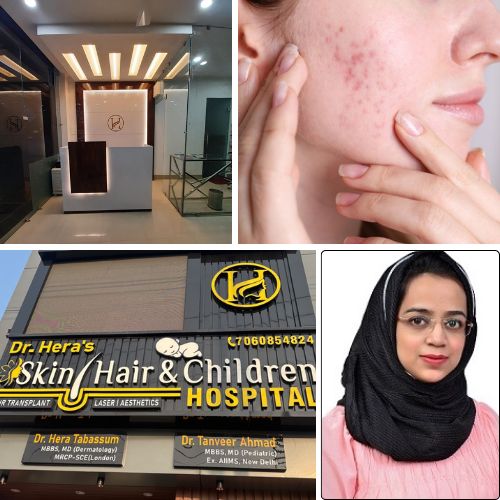
Why Acne Scars Stay on the Skin for So Long
When acne becomes inflamed, it can damage the deeper layers of skin. During healing, the body tries to repair the tissue by producing collagen. If this collagen production is uneven, the skin surface becomes irregular, leading to scars.
Some scars appear as small pits, while others look like wide depressions or uneven patches. Because these scars form beneath the skin’s surface, they often require treatments that stimulate deeper skin repair.
Microneedling with Dermapen 4 works by activating the skin’s natural healing response, which can gradually smooth and improve scarred skin.
Understanding Dermapen 4 Technology
Dermapen 4 is a modern microneedling device used in dermatology clinics to treat several skin concerns, including acne scars, wrinkles, and uneven texture.
The device uses multiple tiny needles that create microscopic punctures in the skin. These controlled micro-injuries trigger the body’s natural healing response. As a result, the skin begins producing new collagen and elastin fibers.
This process strengthens the skin structure and gradually improves the appearance of scars.
The technology is designed to be precise, allowing dermatologists to adjust the needle depth depending on the severity of the skin concern.
How Dermapen 4 Helps Improve Acne Scars
Dermapen 4 does not remove scars instantly, but it helps the skin rebuild itself over time. The treatment works through several biological processes that occur inside the skin.
First, the micro-injuries created by the device activate the skin’s repair system. The body responds by sending growth factors and nutrients to the treated area.
Second, collagen production increases, which helps fill depressed scars and strengthen the skin structure.
Third, the skin begins regenerating new cells, gradually replacing damaged tissue with healthier skin.
Many patients notice that their skin texture becomes smoother and more even after multiple sessions.
Types of Acne Scars That Dermapen 4 Can Improve
Not all acne scars respond the same way to treatment. Dermapen 4 works best for certain types of scars, especially those caused by collagen loss.
These include:
- Rolling scars that create uneven skin texture
- Boxcar scars that form shallow depressions
- Mild to moderate ice-pick scars
- General skin roughness caused by past acne
Very deep scars may require combination treatments along with microneedling for better improvement.
A detailed skin analysis by a Skin Specialist In Roorkee can help determine the best treatment strategy based on your scar type.
What Happens During the Procedure
Dermapen 4 treatments are usually performed in dermatology clinics and are considered minimally invasive.
The procedure generally begins with cleansing the skin to remove impurities. A numbing cream is then applied to reduce discomfort during treatment.
Once the skin is prepared, the Dermapen device is moved across the treatment area. The tiny needles create microchannels in the skin while maintaining precise control over depth and pressure.
During or after the procedure, dermatologists may apply specialized serums that penetrate deeper through the microchannels and support skin healing.
The treatment usually takes around 30 to 45 minutes, depending on the area being treated.
How Many Sessions Are Required
Because Dermapen stimulates gradual collagen production, multiple sessions are typically recommended.
Most patients require:
- 3 to 6 sessions for noticeable improvement
- Treatments spaced about 4 to 6 weeks apart
With each session, the skin continues to repair itself and produce new collagen. Over time, this process improves the appearance of scars and overall skin texture.
Patience is important, as the best results often appear several weeks after the final treatment session.
Recovery and Aftercare
One of the advantages of Dermapen 4 is that recovery time is relatively short.
After the procedure, the skin may appear slightly red and feel sensitive, similar to a mild sunburn. These effects usually fade within one or two days.
To support healing, dermatologists usually recommend:
- Avoiding direct sunlight for a few days
- Applying sunscreen regularly
- Using gentle skincare products
- Avoiding harsh exfoliation temporarily
Following proper aftercare helps the skin heal faster and improves treatment outcomes.
Final Thoughts
Dermapen 4 has become a widely recommended treatment for improving acne scars and uneven skin texture. By stimulating collagen production and encouraging natural skin regeneration, the treatment gradually reduces the visibility of scars and enhances overall skin quality.
Although it may not completely remove deep scars, it can significantly improve skin texture when performed by trained professionals.
If acne scars are affecting your confidence, exploring modern dermatology treatments like Dermapen 4 could be an important step toward smoother and healthier skin.