
Acne may go away, but the marks it leaves behind can stay longer. Many people deal with dark spots, redness, and rough skin after breakouts. This is why learning how to repair skin after acne is very important.
Your skin needs time and the right care to heal. If you rush or use harsh products, it can slow down recovery. The right steps can help your skin become smooth, clear, and healthy again.
This guide will help you understand how to repair skin after acne, reduce marks, and prevent future breakouts in a simple and effective way.
Why Skin Gets Damaged After Acne
When acne forms, it creates inflammation inside the skin. Even after the pimple heals, the damage can remain.
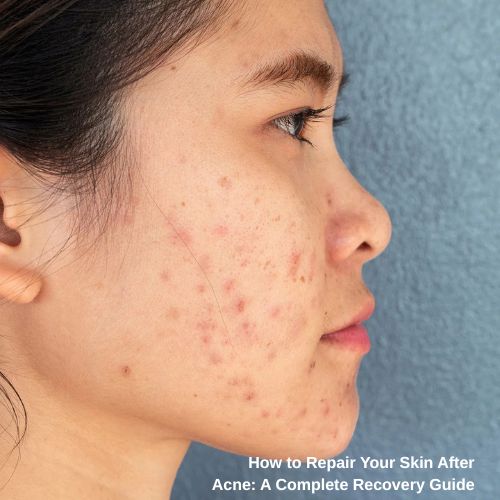
Common post-acne problems include:
- Dark spots (post-inflammatory hyperpigmentation)
- Redness and irritation
- Uneven skin texture
- Acne scars
Another reason is overuse of strong products. Many people try to fix acne fast and end up damaging their skin barrier. This makes it harder to repair skin after acne.
What Your Skin Needs After Acne Clears
Once acne is gone, your focus should be on healing and protection.
1. Use a Gentle Cleanser
Avoid strong face washes. A mild cleanser helps clean your skin without causing dryness.
2. Keep Your Skin Hydrated
Hydration plays a big role when you want to repair skin after acne.
- Use hydrating serums
- Apply a light moisturizer
- Drink enough water
3. Repair the Skin Barrier
Your skin barrier protects your skin from damage. After acne, it becomes weak.
To fix it:
- Keep your routine simple
- Avoid too many products
- Use barrier-repair ingredients
4. Start Active Ingredients Slowly
Do not rush into using strong products again.
- Start with low strength
- Use only a few actives
- Watch how your skin reacts
5. Use Sunscreen Daily
Sunlight can make acne marks darker. Sunscreen helps your skin heal faster.
This is one of the most important steps to repair skin after acne.
Best Ingredients to Repair Skin After Acne
Using the right ingredients can speed up healing.
Niacinamide
- Reduces redness
- Helps fade dark spots
- Controls oil
Hyaluronic Acid
- Keeps skin hydrated
- Makes skin soft and smooth
Retinol
- Improves skin texture
- Helps reduce acne scars
- Boosts skin renewal
Ceramides
- Strengthen the skin barrier
- Lock in moisture
Salicylic Acid
- Keeps pores clean
- Helps prevent new acne
Soothing Ingredients
Ingredients like aloe vera and cica calm the skin and support healing.
These ingredients are very helpful if your goal is to repair skin after acne safely.
How to Remove Acne Marks and Dark Spots
Acne marks can fade with time, but proper care speeds up the process.
What You Can Do:
- Use brightening serums
- Apply sunscreen daily
- Keep skin hydrated
Advanced Treatments:
- Chemical peels
- Laser treatment
- Microneedling
If marks are deep, visiting experienced dermatologist in Roorkee can help you choose the right treatment.
Post-Acne Skincare Routine
A simple routine works best when trying to repair skin after acne.
Morning Routine
- Gentle cleanser
- Hydrating serum
- Moisturizer
- Sunscreen
Night Routine
- Cleanser
- Treatment serum
- Moisturizer
Consistency matters more than using too many products.
Common Mistakes to Avoid
Avoid these mistakes while trying to repair skin after acne:
- Over-exfoliating
- Skipping moisturizer
- Touching your face often
- Using too many active ingredients
- Not using sunscreen
How to Prevent Acne in the Future
Healthy habits can help prevent new breakouts.
- Keep your skincare simple
- Eat a balanced diet
- Stay hydrated
- Manage stress
Many people ask: Do Gym Supplements and Protein Powders Cause Acn. Some protein powders, especially whey protein, may trigger acne in certain people. If you notice breakouts after using supplements, it is better to reduce or change them.
How Long Does It Take to Repair Skin After Acne?
Healing time depends on your skin:
- Mild acne: 1–2 weeks
- Dark spots: 4–6 weeks
- Deep scars: a few months
With the right care, you can slowly repair skin after acne and improve your skin quality.
FAQs
1. Can I fully repair skin after acne? Yes, with the right routine and patience, your skin can heal well.
2. Is moisturizer important after acne? Yes, it helps repair the skin barrier and keeps skin healthy.
3. When should I use retinol? Start only after your skin feels calm.
4. Why are acne marks not fading? Sun exposure and lack of proper care slow down healing.
Final Thoughts
Learning how to repair skin after acne is not about quick fixes. It is about giving your skin time, care, and the right products. Focus on hydration, protection, and gentle treatment.
For expert care, Dr Hera’s Skin & Hair Clinic is a trusted choice. The clinic offers advanced skin treatments and personalized care. Dr. Hera Tabassum, one of the experienced dermatologists in Roorkee, treats acne, scars, hair issues, and many other skin problems with a patient-focused approach.