
Best Treatment for Hair Fall
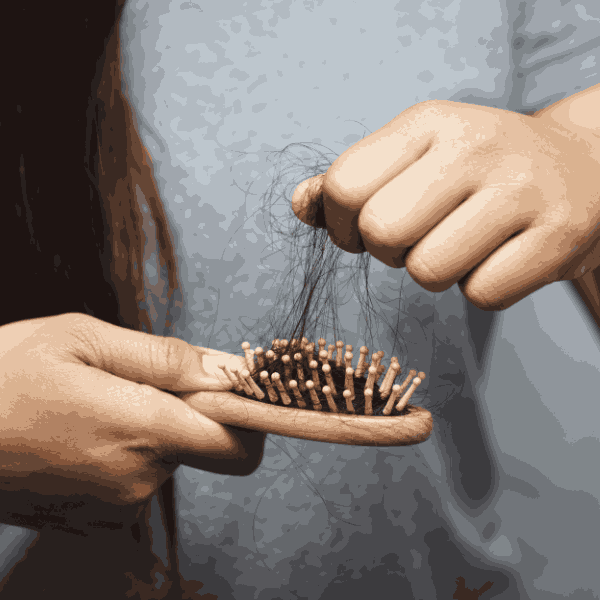
Hair fall can be emotionally exhausting. Whether it’s strands on your pillow, hair clogging the drain, or visible thinning in the mirror, it often brings worry and self-doubt. The truth is—hair fall is extremely common, and in most cases, it can be controlled or treated effectively once the real cause is identified.
The best treatment for hair fall is not a one-size-fits-all solution. It depends on why your hair is falling in the first place. For some, it’s stress or poor nutrition. For others, it may be genetics or hormonal changes. This guide will help you understand the most effective hair fall treatments, when they work best, and how to choose the right option for you.
Why Hair Fall Happens in the First Place?
Hair fall usually starts silently. You may not notice it until the shedding becomes excessive. Some of the most common reasons include:
- Genetic hair loss (male or female pattern baldness)
- Nutrient deficiencies such as iron, protein, or biotin
- High stress levels and lack of proper sleep
- Hormonal imbalance (thyroid issues, PCOS, menopause)
- Sudden illness, infection, or weight loss
- Excessive heat styling, chemical treatments, or tight hairstyles
Treating hair fall without knowing the cause is like fixing a leak without finding the pipe. That’s why understanding the root cause is the first and most important step.
Medical Treatments That Actually Work for Hair Fall
Medical treatments are often the most reliable and scientifically proven options, especially for ongoing or genetic hair loss.
Minoxidil (Rogaine)
Minoxidil is one of the most commonly recommended hair fall treatments worldwide. It works by improving blood circulation to the scalp and stimulating weak or dormant hair follicles.
- Suitable for both men and women
- Available as a topical solution or foam
- Helps reduce hair fall and encourages regrowth
- Results usually appear after 3–6 months of regular use
Consistency is key. Stopping Minoxidil suddenly may cause renewed hair shedding.
Finasteride (Propecia)
Finasteride is a prescription medication mainly used for men with pattern hair loss. It works by blocking DHT, the hormone responsible for shrinking hair follicles.
- Highly effective for male pattern baldness
- Helps preserve existing hair and slow hair fall
- Must be taken under a doctor’s supervision
It’s not typically prescribed for women and requires long-term commitment.
Corticosteroids (For Specific Hair Loss Types)
In cases like sudden patchy hair loss (alopecia areata), doctors may prescribe corticosteroids.
- Reduces inflammation around hair follicles
- Helps restart hair growth in affected areas
- Used only when medically indicated
Advanced In-Clinic Treatments for Hair Fall
If hair thinning continues despite medication, dermatologists in Roorkee may recommend advanced procedures to boost results.
Platelet-Rich Plasma (PRP) Therapy
PRP therapy uses your body’s own healing factors. A small amount of blood is drawn, platelets are concentrated, and then injected into the scalp.
- Stimulates natural hair growth
- Improves hair thickness and density
- Best for early to moderate hair thinning
PRP works best when combined with medical treatment rather than used alone.
Microneedling
Microneedling involves creating tiny micro-injuries on the scalp to activate growth factors and improve absorption of topical treatments.
- Enhances the effect of Minoxidil and PRP
- Encourages collagen production
- Should be performed by trained professionals
Phototherapy (Light-Based Treatment)
Light therapy is sometimes recommended for specific hair loss conditions.
- Stimulates hair follicles
- Usually part of a combination treatment plan
Lifestyle and Diet: The Foundation of Hair Health
Even the best treatment won’t work well if your body lacks proper nourishment or is under constant stress.
Nutrition That Supports Hair Growth
Hair is made of protein, and nutritional deficiencies can directly affect hair strength.
Include in your diet:
- Protein: eggs, fish, lentils, dairy
- Iron: spinach, beetroot, dates
- Zinc & biotin: nuts, seeds, whole grains
A blood test can help identify deficiencies that need correction.
Managing Stress and Sleep
Stress pushes hair follicles into the shedding phase. Simple lifestyle changes can help:
- Practice yoga, meditation, or breathing exercises
- Aim for 7–8 hours of quality sleep
- Avoid burnout and overworking
Gentle Hair Care Matters
- Avoid tight hairstyles that pull the roots
- Limit heat styling and chemical treatments
- Use mild, sulfate-free shampoos
- Be gentle while drying or combing wet hair
Natural Remedies: Supportive, Not a Cure
Natural remedies can improve scalp health but should not replace medical treatment for serious hair loss.
Helpful options include:
- Scalp massage with rosemary or peppermint oil
- Aloe vera to soothe and hydrate the scalp
- Green tea rinses for antioxidant support
These work best as supportive care alongside proper treatment.
When Is It Time to See a Dermatologist?
You should consult a dermatologist if:
- Hair fall continues for more than 2–3 months
- You notice visible thinning or bald patches
- Hair loss is sudden or severe
- Home remedies are not helping
A dermatologist can identify the exact cause and design a treatment plan tailored to your needs.
Final Thoughts: What Is the Best Treatment for Hair Fall?
The best treatment for hair fall is the one that addresses the real cause of the problem. For many people, a combination of FDA-approved medications like Minoxidil or Finasteride, professional treatments like PRP or microneedling, and healthy lifestyle changes offers the best results.
Hair fall cannot always be “cured” overnight—but with the right approach, it can be controlled, slowed, and often reversed. Early action, consistency, and professional guidance make all the difference.