
Melasma can be frustrating. The dark patches on your face often refuse to fade, even after trying multiple creams and DIY remedies. Many people search for solutions like melasma treatment at home or wonder if they should visit a skin expert.
This is where the debate begins—home remedies vs medical treatment for melasma. Which one truly works?
The honest answer is not black and white. Some methods help manage mild pigmentation, while others target deeper skin layers. In this guide, you’ll learn what actually works, what doesn’t, and how to choose the right approach.
What is Melasma? Causes, Symptoms & Why It’s Hard to Treat
Understanding Melasma
Melasma is a common skin condition that causes brown or grey-brown patches. It usually appears on the cheeks, forehead, nose, and upper lip. The condition is harmless but can affect confidence.
Main Causes of Melasma
Several factors trigger melasma:
- Sun exposure (the biggest cause)
- Hormonal changes (pregnancy, birth control)
- Genetics
- Heat and stress
Why Melasma Keeps Coming Back
Melasma is known for recurrence. Even after treatment, it can return. This is why many people feel that nothing works. The goal is not just removal, but long-term control.
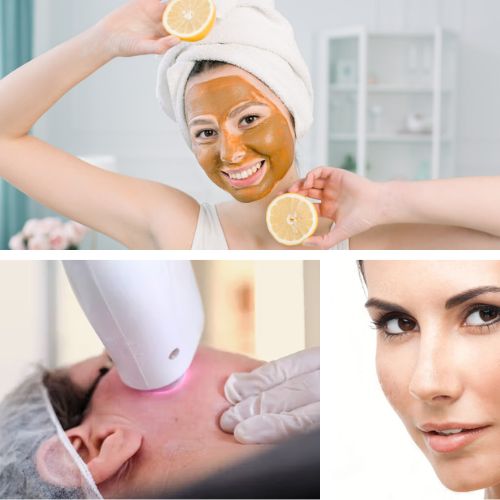
Melasma Treatment at Home: Do Natural Remedies Really Work?
Many people prefer natural solutions first. They are affordable and easy to try.
Popular Home Remedies for Melasma
Some commonly used options include:
- Aloe vera (soothing and mild brightening)
- Turmeric masks (anti-inflammatory)
- Apple cider vinegar (used carefully in diluted form)
- Green tea extract (rich in antioxidants)
- Licorice extract (reduces melanin production)
These remedies support skin health and may help in mild cases.
Pros of Home Remedies
- Budget-friendly
- Easy to apply
- Minimal side effects (when used correctly)
Limitations of Home Remedies
This is where reality matters in the home remedies vs medical treatment for melasma debate:
- Results are slow
- Not effective for deep pigmentation
- Some DIY methods can irritate skin
Home remedies can help, but they rarely give strong or long-lasting results.
Medical Treatment for Melasma: What Dermatologists Recommend
When home care is not enough, medical treatment becomes important.
Topical Treatments
Dermatologists often prescribe:
- Hydroquinone
- Retinoids
- Azelaic acid
These target melanin production at a deeper level.
Clinical Procedures
Advanced options include:
- Chemical peels
- Laser treatment
- Microneedling with PRP
These treatments are more effective for stubborn pigmentation.
Pros of Medical Treatment
- Faster and visible results
- Works on deeper layers
- Personalized plans
Cons
- Higher cost
- Needs expert supervision
- Possible side effects if misused
In most cases, medical treatment for melasma provides better results than home remedies alone.
Home Remedies vs Medical Treatment for Melasma (Comparison)
| Factor | Home Remedies | Medical Treatment |
|---|---|---|
| Cost | Low | Moderate to High |
| Results Speed | Slow | Faster |
| Effectiveness | Mild cases | Moderate to severe |
| Safety | Depends on use | Doctor-guided |
| Long-Term Results | Limited | Better control |
This comparison clearly shows the difference in home remedies vs medical treatment for melasma.
What Actually Works for Melasma? (Honest Verdict)
The best results come from a combination approach.
- Use sunscreen daily (non-negotiable)
- Follow a proper skincare routine
- Add medical treatment for deeper pigmentation
For mild melasma, home remedies may help. For moderate to severe cases, medical treatment is more effective.
So, in the debate of home remedies vs medical treatment for melasma, the winner depends on the severity—but medical care often delivers stronger results.
Best Skincare Routine for Melasma
A good routine supports both treatment types.
Morning Routine
- Gentle cleanser
- Vitamin C serum
- Moisturizer
- Broad-spectrum sunscreen (SPF 50+)
Night Routine
- Cleanser
- Niacinamide or kojic acid serum
- Retinol (if suitable)
- Hydrating cream
Consistency is key for managing melasma.
When Should You See a Dermatologist for Melasma?
You should consult a professional if:
- No improvement after 2–3 months
- Pigmentation is getting darker
- Home remedies are not working
Many people look for dermatologists in Roorkee when dealing with stubborn melasma, especially when DIY methods fail.
Common Mistakes That Make Melasma Worse
Avoid these mistakes:
- Skipping sunscreen
- Using harsh DIY remedies
- Over-exfoliating
- Switching products too often
These habits can worsen pigmentation.
FAQs
Can melasma be cured permanently?
Melasma cannot always be cured permanently, but it can be controlled effectively.
Do home remedies really work for melasma?
They may help mild cases but are not enough for deeper pigmentation.
What is the fastest way to treat melasma?
Medical treatments like peels and lasers give faster results.
Is sunscreen necessary for melasma?
Yes, sunscreen is the most important step in any treatment.
How long does melasma take to fade?
It can take weeks to months, depending on the treatment.
Final Thoughts: Home Remedies vs Medical Treatment for Melasma
The debate around home remedies vs medical treatment for melasma often confuses people. The truth is simple:
- Home remedies help in mild cases
- Medical treatments work better for stubborn pigmentation
- A combined approach gives the best results
Melasma needs patience, consistency, and the right strategy.
About Dr Hera’s Skin & Hair Clinic
Dr Hera’s Skin & Hair Clinic is a leading dermatology clinic offering advanced care for skin, hair, and nail concerns. It is known among trusted dermatologists in Roorkee for providing personalized treatment plans.
Dr. Hera Tabassum specializes in treating conditions like melasma, acne, eczema, fungal infections, hair loss, warts, and vitiligo. With years of clinical experience, the focus remains on safe, effective, and customized solutions for every patient.