
Can I Permanently Stop Hair Loss?
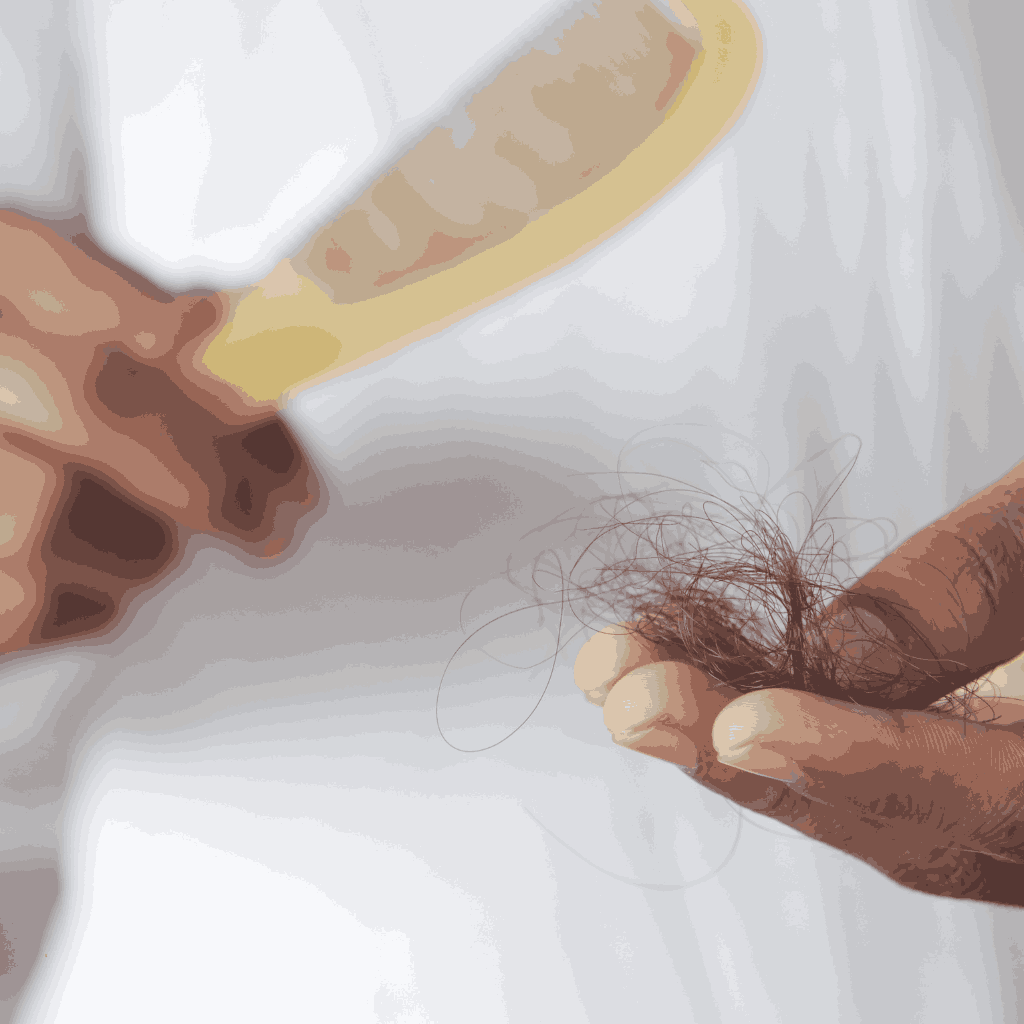
Hair loss is one of the most common concerns today, affecting men and women across all age groups. Watching hair thin out or fall more than usual can be stressful and emotionally draining. Naturally, many people ask the same question: How can I permanently stop hair loss?
The honest answer is that there is no single universal solution that works permanently for everyone. Hair fall happens for different reasons—nutritional deficiencies, stress, hormonal imbalance, medical conditions, or genetics. However, with the right lifestyle habits, consistent hair care, and medically proven treatments, long-term hair loss can be controlled and, in many cases, significantly reduced.
Let’s understand what actually works and how you can take a practical, long-term approach to stopping hair loss.
Understand the Root Cause of Hair Loss
Before trying any solution, it’s important to know why your hair is falling. Some of the most common causes include:
- Nutrient deficiencies (iron, protein, vitamin D, B12)
- High stress and poor sleep
- Hormonal changes or thyroid issues
- Aggressive styling, heat, and chemical treatments
- Genetic hair loss (androgenetic alopecia)
- Medical conditions or certain medications
Once the cause is identified, the treatment becomes far more effective. This is why dermatologists always recommend diagnosis before treatment.
Lifestyle and Diet Changes That Help Control Hair Loss
Balanced Nutrition for Healthy Hair
Hair is made of protein, so your diet plays a major role in hair strength and growth. A balanced diet should include:
- Proteins: Eggs, fish, chicken, lentils, and legumes
- Iron: Spinach, beetroot, lentils, dates
- Vitamins & antioxidants: Fruits, green leafy vegetables
- Zinc & omega-3: Nuts, seeds, flaxseeds, walnuts
When your body gets the nutrients it needs, hair fall caused by deficiencies often improves naturally.
Stay Properly Hydrated
Drinking 8–10 glasses of water daily helps keep the scalp hydrated and supports healthy hair follicles. Dehydration can make hair dry, brittle, and prone to breakage.
Manage Stress Effectively
Stress is a major trigger for hair fall conditions like telogen effluvium. Practicing yoga, meditation, deep breathing, or regular exercise helps control stress hormones that directly affect hair growth.
Avoid Smoking
Smoking reduces blood circulation to the scalp and weakens hair follicles. Quitting smoking can significantly improve hair and scalp health over time.
Healthy Hair Care Practices You Should Follow
Be Gentle With Your Hair
Rough handling damages hair roots. Use mild shampoos, moisturising conditioners, and gently pat your hair dry instead of rubbing it with a towel.
Limit Heat and Chemical Treatments
Frequent use of blow dryers, straighteners, curling irons, hair dyes, and chemical smoothening weakens hair shafts. If you must use heat, keep it on low temperature and avoid daily use.
Avoid Tight Hairstyles
Hairstyles that pull hair tightly—such as tight ponytails or braids—can cause traction alopecia, leading to long-term hair damage.
Focus on Scalp Care
A healthy scalp supports healthy hair growth. Regular oiling with coconut oil or rosemary oil, along with gentle scalp massage, improves blood circulation and nourishes hair roots.
Medical and Professional Treatments for Long-Term Hair Loss Control
Medications
For genetic hair loss, certain medications are clinically proven:
- Minoxidil: Helps slow hair loss and promote regrowth in men and women
- Finasteride (for men): Reduces hair loss caused by hormonal factors
These treatments require consistent, long-term use to maintain results.
PRP Therapy (Platelet-Rich Plasma)
PRP therapy uses your own blood plasma injected into the scalp to stimulate dormant hair follicles. It is commonly used to strengthen hair and improve hair density.
Low-Level Laser Therapy (LLLT)
Laser therapy stimulates hair follicles using light energy and can help improve hair thickness and slow down hair fall when used regularly.
Hair Transplant – A Long-Lasting Solution
For people with significant bald patches, hair transplant in Roorkee is considered the most permanent solution. It involves relocating healthy hair follicles from one area of the scalp to thinning or bald areas, offering natural and lasting results.
Can Hair Loss Be Stopped Permanently?
The reality is that hair loss cannot be permanently stopped in all cases, especially when genetics are involved. However:
- Hair loss due to stress, nutrition, or lifestyle can often be reversed
- Genetic hair loss can be controlled and managed long term
- Consistency in care and treatment delivers the best results
Early diagnosis and timely treatment make a significant difference.
When Should You See a Dermatologist?
If you notice:
- Sudden or excessive hair fall
- Visible thinning or bald patches
- Hair loss along with itching, redness, or pain
Consulting a dermatologist in Roorkee helps identify the exact cause and prevents unnecessary treatments.
Key Takeaway
There is no magic solution to permanently stop hair loss for everyone. The most effective approach is a combination of healthy lifestyle habits, gentle hair care, stress management, and medically proven treatments. Identifying the root cause and staying consistent with treatment is the key to long-term hair health. If hair loss is affecting your confidence or daily life, seeking professional guidance can help you choose the right path forward.