
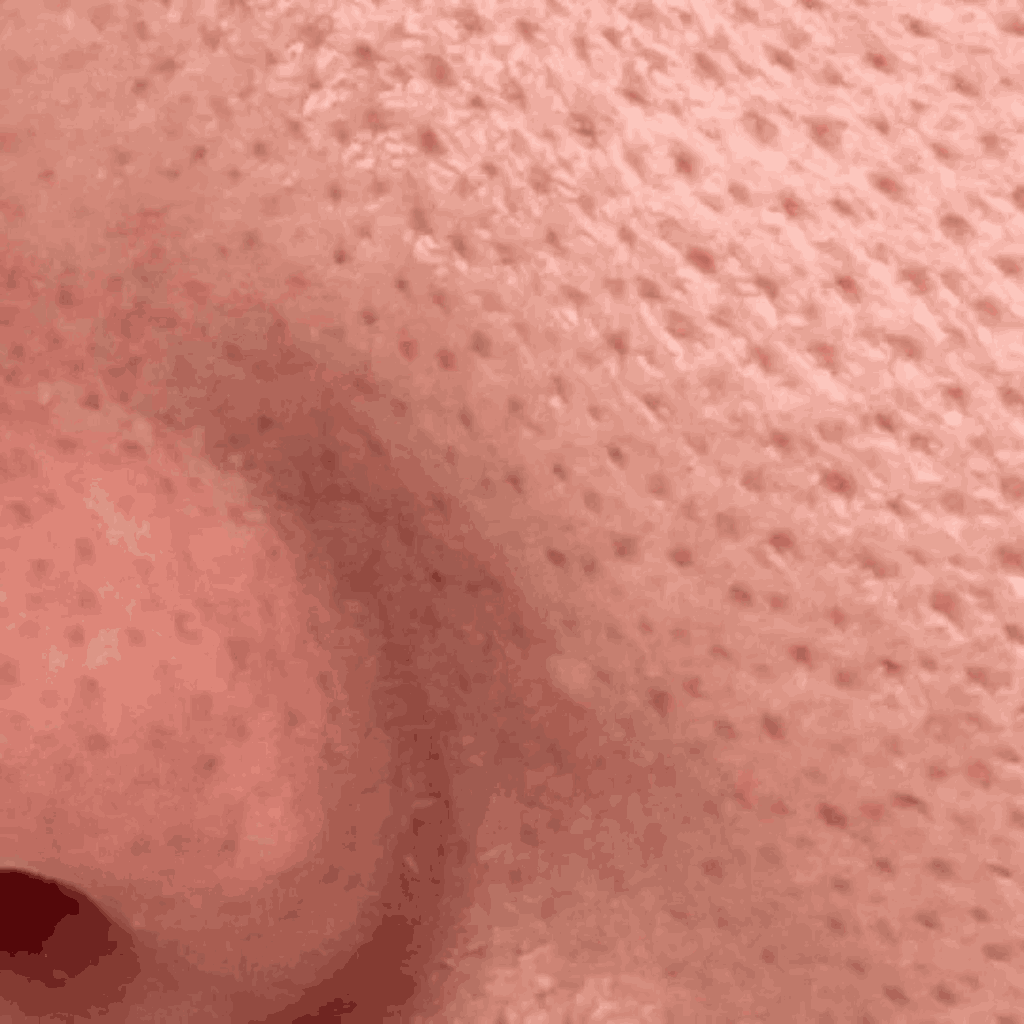
Dermatologists Treat Open Pores
Open pores are one of the most common skin concerns seen by dermatologists, especially in people with oily, acne-prone, or aging skin. Many patients visit a clinic asking, “Can open pores be closed permanently?”
The honest answer is that pores cannot be permanently closed, because they are a normal and necessary part of healthy skin. However, dermatologists can significantly reduce the appearance of open pores using medical treatments, prescription skincare, and long-term skin care plans.
This blog explains how dermatologists treat open pores, which treatments work best, and what results you can realistically expect.
What Are Open Pores?
Pores are tiny openings in the skin that allow oil and sweat to reach the surface. When pores become clogged with oil, dead skin cells, or dirt—or when the skin loses firmness due to aging or sun damage—they can appear larger and more noticeable.
Open pores are most commonly seen on:
- The nose
- Cheeks
- Forehead
- Chin
Why Do Pores Look Large?
Before starting treatment, dermatologists first identify why the pores appear enlarged.
Common Causes of Open Pores:
- Excess oil production
- Acne and frequent breakouts
- Sun damage leading to collagen loss
- Aging and reduced skin elasticity
- Harsh skincare or improper product use
- Genetic factors
Understanding the cause helps dermatologists select the most effective treatment.
Can Dermatologists Treat Open Pores?
Yes. Dermatologists treat open pores using advanced in-office procedures and prescription treatments that improve skin texture, tighten the skin, and stimulate collagen production.
The focus of treatment is always on minimizing the appearance of pores, not eliminating them entirely.
In-Office Dermatologist Treatments for Open Pores
Professional treatments provide the most noticeable and long-lasting improvement.
Chemical Peels
Chemical peels use ingredients such as salicylic acid or glycolic acid to:
- Remove dead skin cells
- Unclog pores
- Reduce excess oil
- Stimulate collagen production
With repeated sessions, chemical peels help smooth the skin and make pores look smaller.
Microneedling (Collagen Induction Therapy)
Microneedling involves tiny, controlled needles that create micro-injuries in the skin. This process activates the body’s natural healing response, leading to:
- Increased collagen formation
- Firmer, tighter skin
- Reduced appearance of open pores
It is particularly helpful for pores linked to acne scars or early signs of aging.
Laser Resurfacing
Fractional laser treatments work by stimulating deeper layers of the skin to remodel collagen. As skin becomes firmer and smoother, pores appear less prominent.
Laser resurfacing is often recommended for:
- Sun-damaged skin
- Aging skin
- Stubborn or deeply visible pores
Multiple sessions may be required for optimal results.
Microdermabrasion
Microdermabrasion gently exfoliates the outermost layer of skin. It helps:
- Improve skin texture
- Smooth uneven areas
- Reduce the visibility of surface-level pores
This treatment is best suited for mild open pores or as part of regular skin maintenance.
Micro-Botox (Microtox)
Micro-Botox involves injecting highly diluted Botox into the superficial layers of the skin. This technique:
- Temporarily reduces oil production
- Tightens the skin
- Minimizes the appearance of pores
Results are temporary, making this option popular before special occasions.
TCA CROSS
In the TCA CROSS technique, trichloroacetic acid is carefully applied directly into deep pores or scars. This triggers targeted collagen production and is commonly used for:
- Deep open pores
- Pores associated with acne scars
Prescription Topical Treatments for Open Pores
Dermatologists usually combine in-office procedures with prescription-strength topical treatments for better and longer-lasting results.
Retinoids
Prescription retinoids help by:
- Increasing cell turnover
- Reducing oil production
- Improving overall skin texture
With regular use, pores gradually appear smaller and less congested.
Salicylic Acid
Salicylic acid penetrates deep into oil glands and helps:
- Remove pore blockages
- Reduce blackheads
- Control excess sebum
It is commonly found in dermatologist-recommended cleansers, serums, and chemical peels.
At-Home Care Recommended by Dermatologists
Professional treatments work best when supported by the right daily skincare routine.
Gentle Cleansing and Exfoliation
Over-cleansing or harsh scrubbing can irritate the skin and make pores appear larger. Dermatologists recommend gentle, non-comedogenic products.
Sun Protection
Daily sunscreen is essential. Sun damage weakens collagen, which causes pores to appear larger over time.
Consistent Skincare Routine
Regular use of prescribed products helps maintain results and prevents pores from becoming more noticeable again.
What Results Can You Expect?
- Pores cannot be permanently closed
- Visible improvement usually begins after the second or third session
- Most people need 3 to 6 treatment sessions, depending on skin type and severity
- Maintenance treatments may be required
The goal is smoother, healthier-looking skin with less visible pores.
Frequently Asked Questions (FAQs)
Can open pores be treated by a dermatologist?
Yes. Dermatologists use treatments such as chemical peels, microneedling, laser resurfacing, and prescription creams to improve pore appearance.
What treatment is best for open pores?
The best treatment depends on your skin type and the cause of open pores. Microneedling and laser treatments offer long-term improvement, while chemical peels help control oil and texture.
Do dermatologists do pore extractions?
Yes, but pore extractions offer only temporary results. They are usually combined with treatments that prevent future clogging and improve skin quality.
Conclusion
Dermatologists do not remove pores, but they treat the factors that make pores look large. By improving skin texture, boosting collagen, and controlling oil production, the appearance of open pores can be significantly reduced.
With the right combination of professional treatments and proper home care, it is possible to achieve smoother, more refined-looking skin. If open pores are affecting your confidence, consulting a dermatologist is the most effective way to find a safe and personalized solution.