
Vitiligo is a long-term skin condition that causes white patches due to the loss of pigment-producing cells (melanocytes). While medicines and light-based therapies can slow its progression, they may not always restore lost color. For patients with stable vitiligo who want visible and lasting improvement, skin grafting has emerged as a reliable surgical solution.
This blog explains what skin grafting for vitiligo is, who it is suitable for, how it works, recovery expectations, risks, success rates, and long-term results—in simple, patient-friendly language.
What Is Skin Graft Surgery for Vitiligo?
Skin grafting for vitiligo is a minor surgical procedure in which healthy pigmented skin is taken from one part of the body (donor area) and placed onto vitiligo-affected areas (recipient site). The goal is to reintroduce active melanocytes so that normal skin color can gradually return.
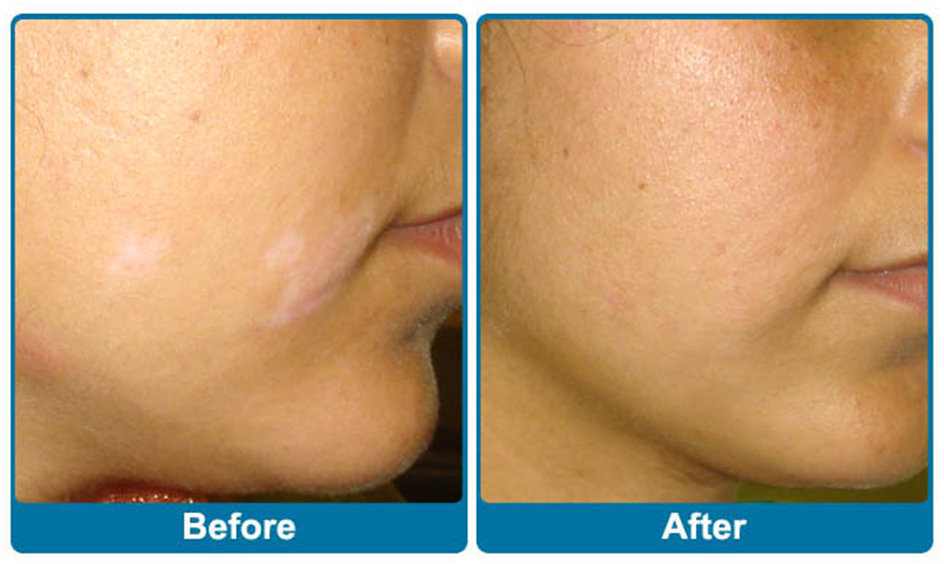
This treatment is not cosmetic experimentation—it is a scientifically established procedure used worldwide for stable vitiligo cases where medical therapies have stopped giving results.
Who Is an Ideal Candidate for Skin Grafting?
Skin grafting is not suitable for everyone, which is why proper evaluation is critical. You may be considered a good candidate if:
- Your vitiligo has been stable for at least 6–12 months
- No new patches or spread has occurred recently
- You do not develop new patches at injury sites (no Koebner phenomenon)
- You are in good general health
- Previous treatments like creams or phototherapy gave limited benefit
A trained Dermatologist In Roorkee can determine eligibility after a detailed skin examination and medical history review. 👉 Dermatologist In Roorkee
Types of Skin Grafting Techniques Used in Vitiligo
Different grafting methods are selected based on patch size, location, and patient factors.
1. Split Thickness Skin Grafting (STSG)
A thin layer of pigmented skin is removed and placed over the vitiligo patch. Best for larger areas.
2. Mini Punch Grafting
Tiny circular grafts are taken and placed in small holes on the depigmented area. Useful for localized vitiligo.
3. Suction Blister Grafting
Blisters are created using suction, and the blister roof is transplanted. This method gives excellent color matching.
4. Melanocyte Cell Transfer
Melanocytes are extracted, processed, and spread over the affected skin. It requires expertise and controlled conditions.
Step-by-Step: How the Procedure Is Performed
Understanding the process reduces anxiety and builds confidence.
- Pre-procedure assessment Stability of vitiligo is confirmed through clinical evaluation.
- Local anesthesia The procedure is painless and does not require general anesthesia.
- Donor skin harvesting Skin is taken from a concealed area like the thigh or buttock.
- Graft placement The graft is carefully positioned on the vitiligo patch.
- Dressing and immobilization The area is covered and protected to allow healing.
The entire process usually takes 1–2 hours, depending on the area treated.
Recovery Timeline and Aftercare
Recovery plays a major role in treatment success.
- First 7–10 days: Dressing remains intact; minimal movement advised.
- 2–4 weeks: Early pigmentation begins to appear.
- 2–3 months: Color spreads and blends with surrounding skin.
- 3–6 months: Final pigmentation results become visible.
Patients are advised to avoid friction, sun exposure, and self-medication during recovery.
How Effective Is Skin Grafting for Vitiligo?
When performed on stable vitiligo, success rates range from 70% to 90% repigmentation, depending on:
- Site of vitiligo (face responds best)
- Technique used
- Surgeon’s expertise
- Post-procedure care
Results are long-lasting, and recurrence is uncommon when patient selection is correct.
Possible Risks and Limitations
While generally safe, patients should be aware of potential risks:
- Mild scarring at donor site
- Color mismatch in rare cases
- Infection if aftercare is ignored
- Graft failure in unstable vitiligo
These risks are minimized when treatment is done by an experienced Skin Specialist In Roorkee with proper surgical protocols. 👉 Skin Specialist In Roorkee
Is Skin Grafting Permanent for Vitiligo?
Skin grafting offers permanent pigment restoration in treated areas, provided:
- Vitiligo remains stable
- Proper aftercare is followed
- No triggering factors cause relapse
It does not cure vitiligo entirely, but it significantly improves visible appearance and patient confidence.
Why Experience Matters in Vitiligo Surgery
Vitiligo surgery is not just about transferring skin—it requires:
- Accurate stability assessment
- Precision handling of melanocytes
- Knowledge of skin healing patterns
- Aesthetic understanding of color blending
This is why choosing the right clinic and doctor directly affects outcomes.
About Dr Hera’s Skin & Hair Clinic, Roorkee
Dr Hera’s Skin & Hair Clinic is a trusted center for advanced dermatological care, offering evidence-based treatments for vitiligo and other skin conditions. The clinic focuses on personalized evaluation, ensuring that surgical options like skin grafting are recommended only when medically appropriate.
With modern equipment, strict hygiene protocols, and patient-centric care, the clinic emphasizes safe procedures, ethical guidance, and realistic expectations. Patients receive clear counseling about treatment options, outcomes, and long-term skin health rather than one-size-fits-all solutions.
Clinic Address: Dr Hera’s Skin & Hair Clinic, Malviya Chowk, near Bank of India, Roorkee, Uttarakhand 247667
Final Thoughts: Is Skin Grafting Right for You?
Skin grafting for vitiligo is a proven, effective option for patients with stable disease who want visible and lasting repigmentation. However, correct diagnosis, expert execution, and disciplined aftercare are essential for success.
If you are considering this procedure, professional evaluation is the first and most important step.