
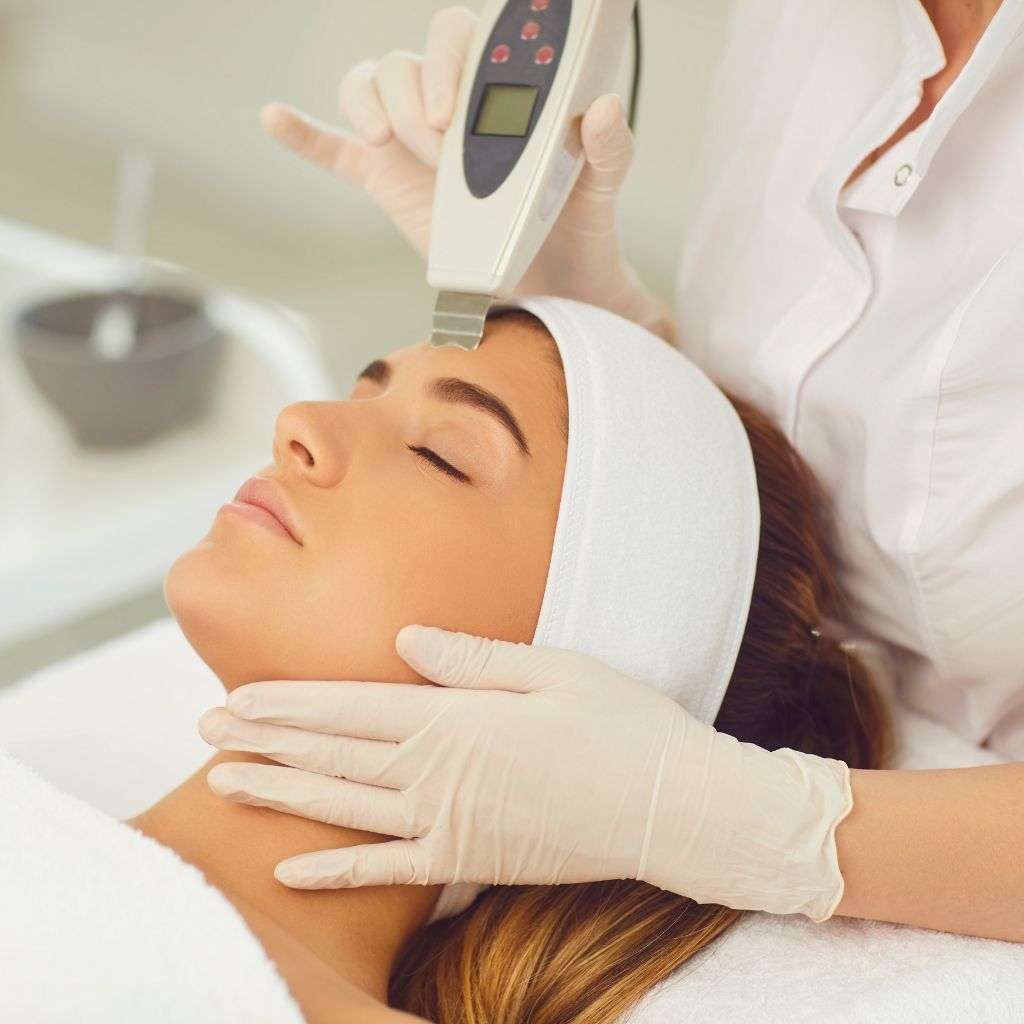
Looking for the best treatment for skin problems?
Skin problems are something almost everyone experiences at some point in life. From sudden acne breakouts and stubborn pigmentation to itchy rashes, infections, or long-term conditions like eczema and psoriasis, skin concerns can affect both physical comfort and self-confidence. This naturally leads to an important question many people ask: Which treatment is best for skin problems?
The truth is simple but often misunderstood—there is no single “best” treatment that works for every skin problem. Skin conditions vary widely in cause, severity, and how each person’s body responds to treatment. What clears acne for one person may worsen it for another. That’s why dermatologists focus on personalized treatment rather than one universal solution.
In this detailed guide, we’ll explain the different treatment options for skin problems, how they work, and how to decide what’s right for your skin.
Why Skin Problems Need Different Treatments
Skin is the largest organ of the body, and it reacts to many internal and external factors. Skin issues can arise due to:
- Hormonal changes
- Bacterial, fungal, or viral infections
- Allergies or immune-related conditions
- Genetic factors
- Stress, diet, and sleep habits
- Pollution and sun exposure
- Incorrect or harsh skincare products
Because the causes differ, treatment also needs to differ. For example, fungal infections require antifungal medication, while eczema needs moisture restoration and inflammation control. Treating both with the same cream can delay healing or worsen symptoms.
This is why the best treatment for skin problems always begins with understanding the root cause.
The Role of a Dermatologist in Skin Treatment
Many people try home remedies or over-the-counter products first, which may help in mild cases. However, persistent or recurring skin problems usually require professional evaluation.
A dermatologist:
- Identifies the exact skin condition
- Determines whether it’s infectious, allergic, hormonal, or immune-related
- Chooses treatments based on your skin type and medical history
- Adjusts medications if your skin reacts or doesn’t improve
Seeing a dermatologist in Roorkee early often saves time, money, and frustration.
Common Treatment Options for Skin Problems
1. Topical Treatments: Creams, Ointments, and Gels
Topical treatments are among the most commonly prescribed options for skin problems. These medications work directly on the affected area and are effective for many mild to moderate conditions.
Common topical treatments include:
- Corticosteroid creams for redness, swelling, and itching
- Retinoids for acne, pigmentation, and uneven skin texture
- Antifungal creams for fungal infections like ringworm
- Antibacterial creams for localized infections
- Medicated moisturizers to repair the skin barrier
When used correctly and consistently, topical treatments can significantly improve skin health. However, misuse—especially of steroid creams—can cause thinning of skin or worsening of symptoms.
2. Oral Medications for Deeper Skin Issues
Some skin problems affect deeper layers of the skin or involve internal triggers. In such cases, oral medications may be required.
These include:
- Antibiotics for bacterial acne or skin infections
- Antihistamines to control itching and allergic reactions
- Oral antifungals for stubborn fungal infections
- Isotretinoin for severe or cystic acne
- Immunosuppressive medicines for chronic conditions like psoriasis
Oral medications are usually prescribed when topical treatments alone are not enough. They should always be taken under medical supervision.
3. Light Therapy (Phototherapy)
Light therapy uses controlled ultraviolet light to treat certain chronic skin conditions. It is commonly recommended when conventional treatments don’t give adequate results.
Phototherapy is helpful for:
- Psoriasis
- Vitiligo
- Chronic eczema
This treatment slows abnormal skin cell growth and reduces inflammation. It is performed under medical guidance to ensure safety and effectiveness.
4. Advanced Dermatological Procedures
Some skin concerns require procedural treatments for faster or more visible results.
These procedures include:
- Laser treatments for acne scars, pigmentation, and rejuvenation
- Chemical peels for acne, dull skin, and uneven tone
- Cryotherapy for warts and certain lesions
- Minor surgical procedures for cysts or suspicious growths
These treatments are safe when performed by trained dermatologists and can greatly improve skin appearance and texture.
Best Treatment Options for Common Skin Problems
Acne and Pimples
Acne treatment depends on severity:
- Mild acne responds well to topical gels and lifestyle changes
- Moderate acne may need oral antibiotics
- Severe acne often requires isotretinoin or procedures
Early treatment prevents scarring and pigmentation.
Eczema (Dermatitis)
Eczema is a chronic condition that needs long-term management:
- Regular moisturization
- Anti-inflammatory creams
- Avoiding known triggers
- Stress management
Consistency is key in keeping eczema under control.
Psoriasis
Psoriasis is an immune-related condition:
- Topical treatments for mild cases
- Light therapy for moderate disease
- Oral or injectable medications for severe cases
Treatment aims to control symptoms rather than cure the disease.
Fungal Skin Infections
Fungal infections are common and contagious:
- Antifungal creams for early cases
- Oral antifungal medication for widespread infections
- Good hygiene and moisture control
Incomplete treatment often leads to recurrence.
Pigmentation and Dark Spots
Pigmentation issues can result from sun exposure, acne, or hormonal changes:
- Depigmenting creams
- Sunscreen use
- Chemical peels or laser therapy
Treatment takes time, and patience is essential.
Lifestyle and Skincare Habits That Support Treatment
Medical treatment works best when supported by healthy daily habits. Simple changes can significantly improve results.
Helpful practices include:
- Using sunscreen daily
- Avoiding harsh soaps and scrubs
- Staying hydrated
- Eating a balanced diet rich in fruits and vegetables
- Managing stress and getting enough sleep
- Avoiding self-medication
Even the best medical treatment may fail if skincare habits are poor.
Are Home Remedies Enough for Skin Problems?
Home remedies like aloe vera, oatmeal baths, coconut oil, or turmeric may help soothe mild irritation. However, they are not a substitute for medical treatment, especially for infections or chronic conditions.
Using home remedies without proper diagnosis may delay recovery and worsen the problem.
When Should You Seek Medical Help?
You should consult a dermatologist if:
- The problem lasts more than two weeks
- Symptoms worsen or spread
- There is severe itching, pain, or discharge
- Over-the-counter products fail
- The condition affects your confidence
Early treatment often leads to better and faster results.
So, Which Treatment Is Best for Skin Problems?
The best treatment for skin problems is one that is:
- Based on an accurate diagnosis
- Customized to your skin type
- Monitored by a dermatologist
- Supported by good skincare habits
There is no shortcut to healthy skin, but with the right guidance and consistent care, most skin problems can be effectively managed.
Final Thoughts
Skin problems are common, but they don’t have to control your life. Understanding that every skin condition is different is the first step toward effective treatment. From topical creams and oral medications to advanced procedures and lifestyle changes, the right approach depends on your specific concern.
If you’re dealing with ongoing skin issues, seeking professional advice is always the smartest decision. Healthy skin isn’t about quick fixes—it’s about informed care, patience, and the right treatment plan.